


Natural Products from Actinobacteria as a Potential Source of New Therapies Against Colorectal Cancer: A Review
- PMID: 35899111
- PMCID: PMC9310018
- DOI: 10.3389/fphar.2022.929161
Natural Products from Actinobacteria as a Potential Source of New Therapies Against Colorectal Cancer: A Review
Abstract
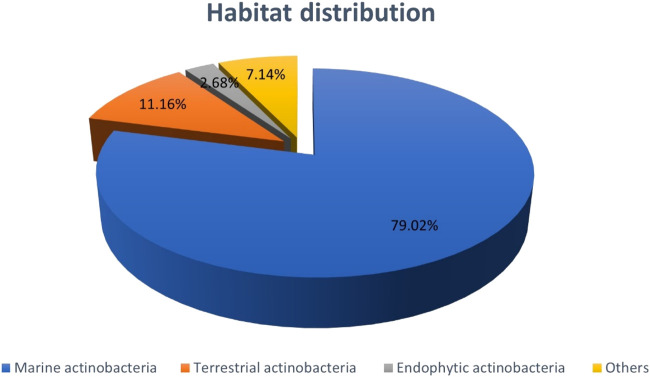
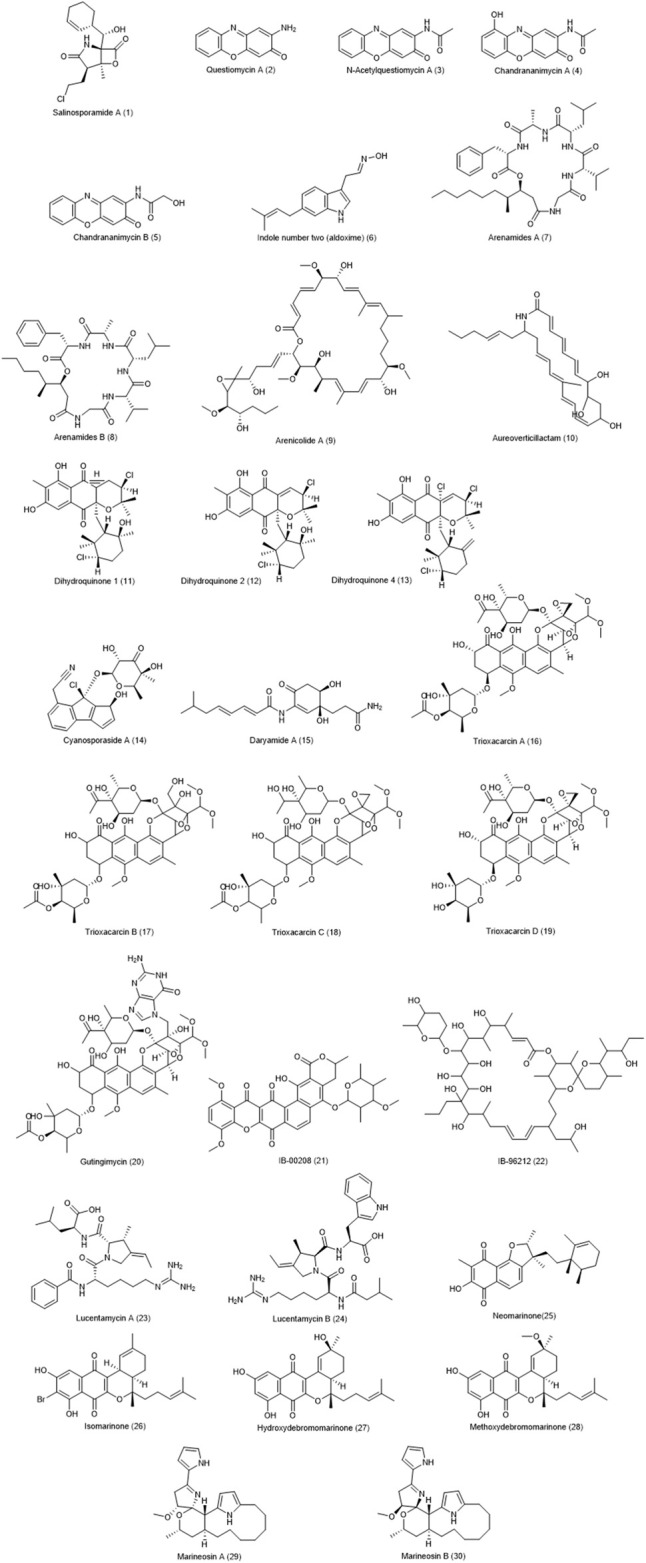
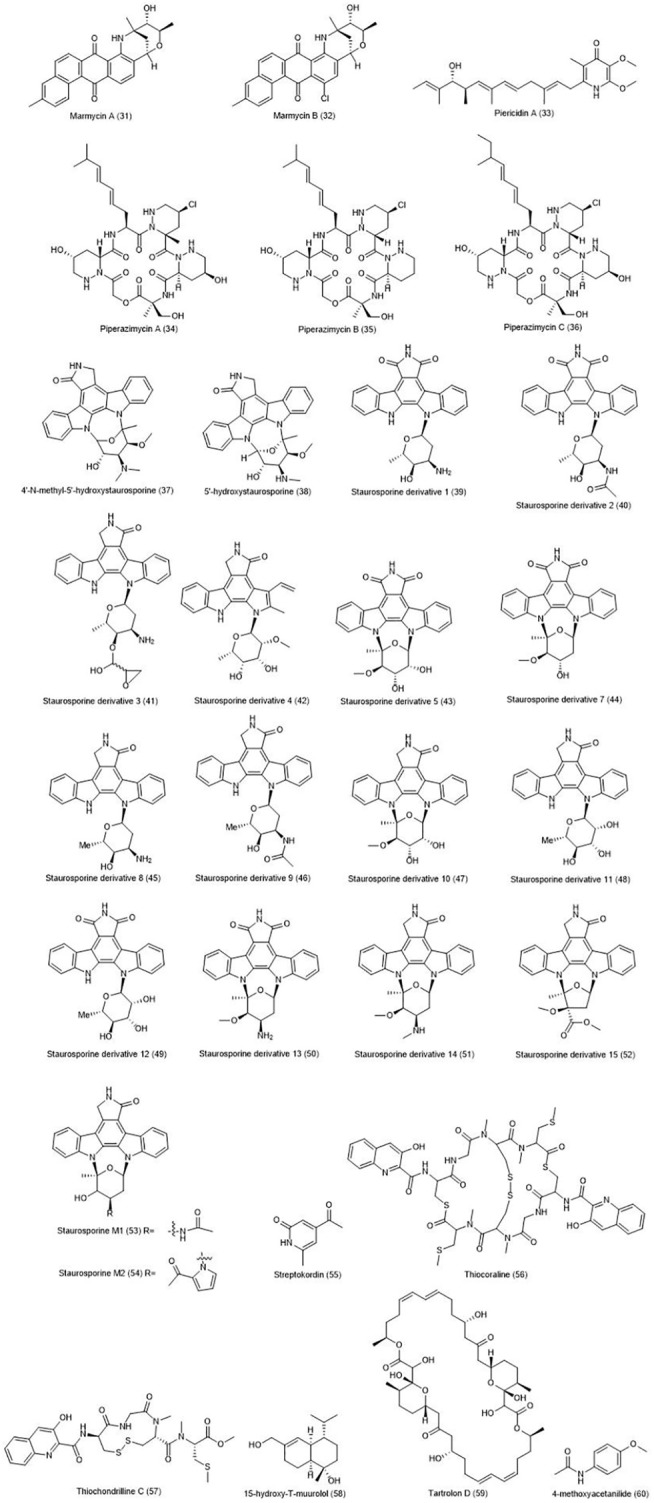
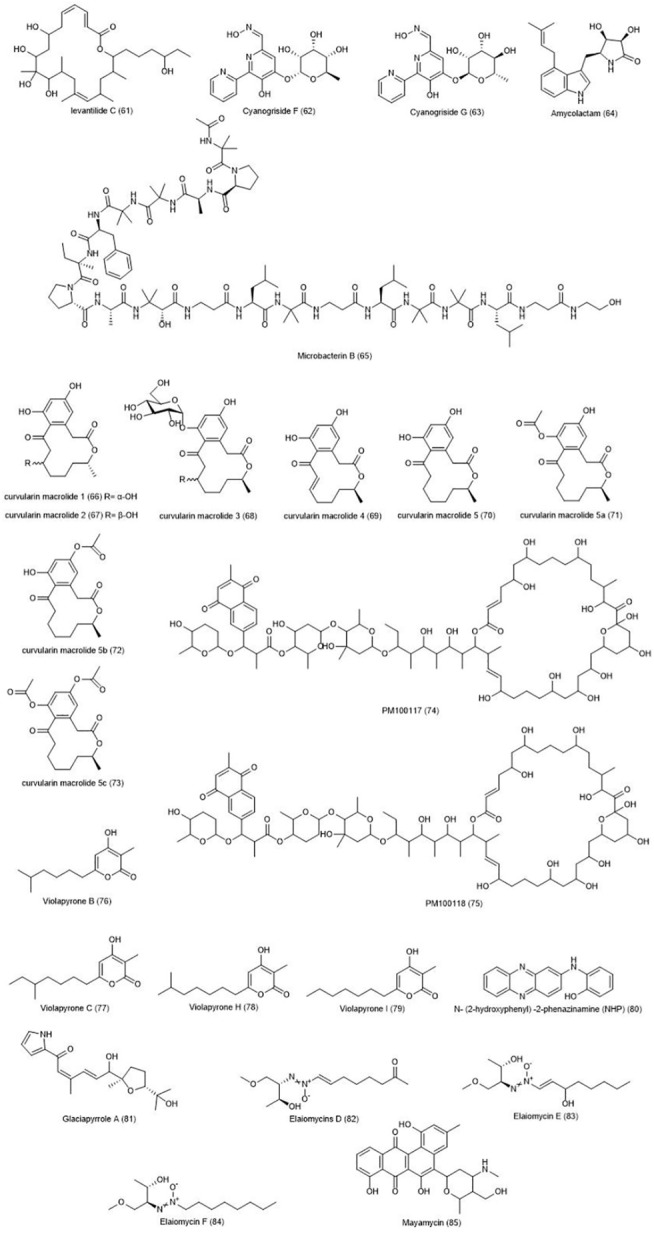
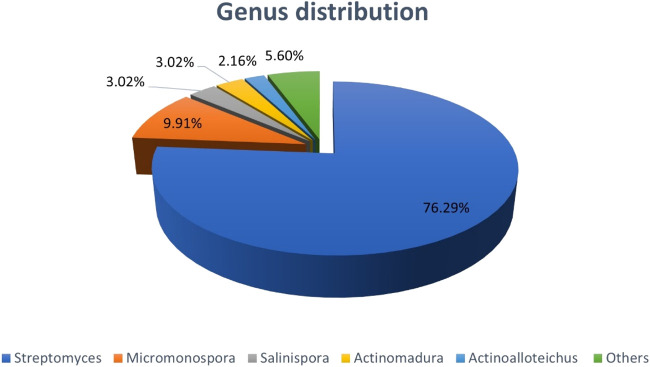
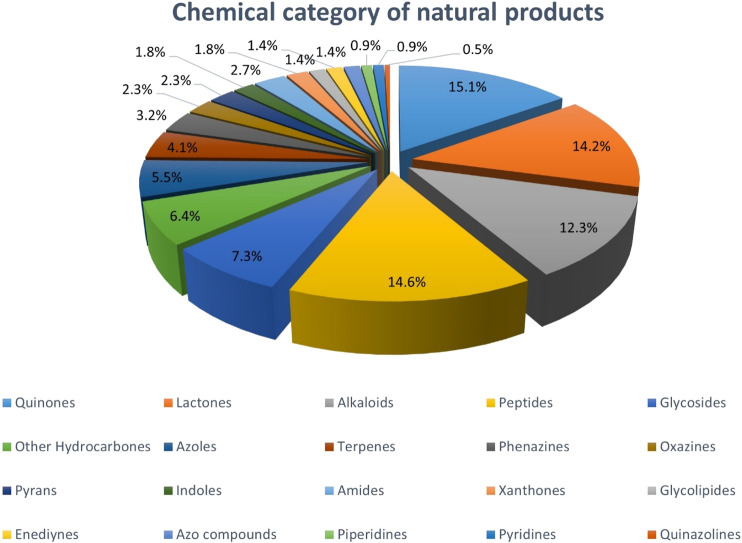
Colorectal cancer (CRC) is a common, and deadly disease. Despite the improved knowledge on CRC heterogeneity and advances in the medical sciences, there is still an urgent need to cope with the challenges and side effects of common treatments for the disease. Natural products (NPs) have always been of interest for the development of new medicines. Actinobacteria are known to be prolific producers of a wide range of bioactive NPs, and scientific evidence highlights their important protective role against CRC. This review is a holistic picture on actinobacter-derived cytotoxic compounds against CRC that provides a good perspective for drug development and design in near future. This review also describes the chemical structure of 232 NPs presenting anti-CRC activity with the being majority of quinones, lactones, alkaloids, peptides, and glycosides. The study reveals that most of these NPs are derived from marine actinobacteria followed by terrestrial and endophytic actinobacteria, respectively. They are predominantly produced by Streptomyces, Micromonospors, Saliniospors and Actinomadura, respectively, in which Streptomyces, as the predominant contributor generating over 76% of compounds exclusively. Besides it provides a valuable snapshot of the chemical structure-activity relationship of compounds, highlighting the presence or absence of some specific atoms and chemical units in the structure of compounds can greatly influence their biological activities. To the best of our knowledge, this is the first comprehensive review on natural actinobacterial compounds affecting different types of CRC. Our study reveals that the high diversity of actinobacterial strains and their NPs derivatives, described here provides a new perspective and direction for the production of new anti-CRC drugs and paves the way to innovation for drugs discovery in the future. The knowledge obtain from this review can help us to understand the pivotal application of actinobacteria in future drugs development.
Keywords: actinobacteria; anti-cancer effects; bioactive compounds; colorectal cancer; endophytic actinobacteria; marine actinobacteria; natural products; secondary metabolites.
Copyright © 2022 Bahrami, Bouk, Kakaei and Taheri.
Conflict of interest statement
The authors declare that the research was conducted in the absence of any commercial or financial relationships that could be construed as a potential conflict of interest.
Figures
References
-
- Abedinlou H., Bahrami Y., Mohammadi S., Kakaei E. (2022). Rare Actinobacteria and Their Potential Biotechnological Applications. Sci. J. Kurdistan Univ. Med. Sci. 26 (7), 108–131.
-
- Ahn K. S., Sethi G., Chao T. H., Neuteboom S. T., Chaturvedi M. M., Palladino M. A., et al. (2007). Salinosporamide A (NPI-0052) Potentiates Apoptosis, Suppresses Osteoclastogenesis, and Inhibits Invasion through Down-Modulation of NF-kappaB Regulated Gene Products. Blood 110 (7), 2286–2295. 10.1182/blood-2007-04-084996 - DOI - PMC - PubMed
Publication types
LinkOut - more resources
Full Text Sources
Other Literature Sources
Molecular Biology Databases
