


Toxicity profiles and protective effects of antifreeze proteins from insect in mammalian models
- PMID: 35901986
- PMCID: PMC10174066
- DOI: 10.1016/j.toxlet.2022.07.009
Toxicity profiles and protective effects of antifreeze proteins from insect in mammalian models
Abstract
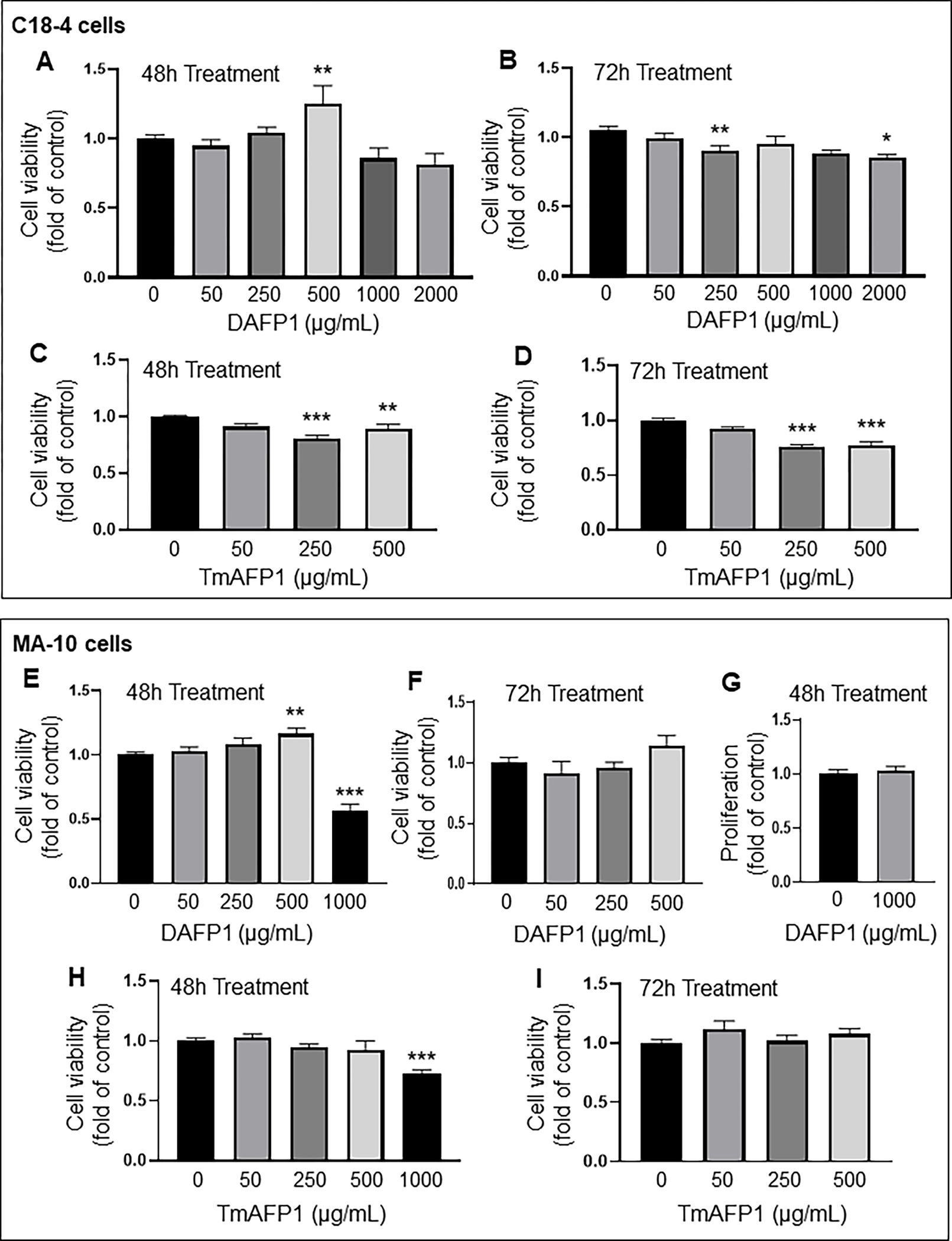
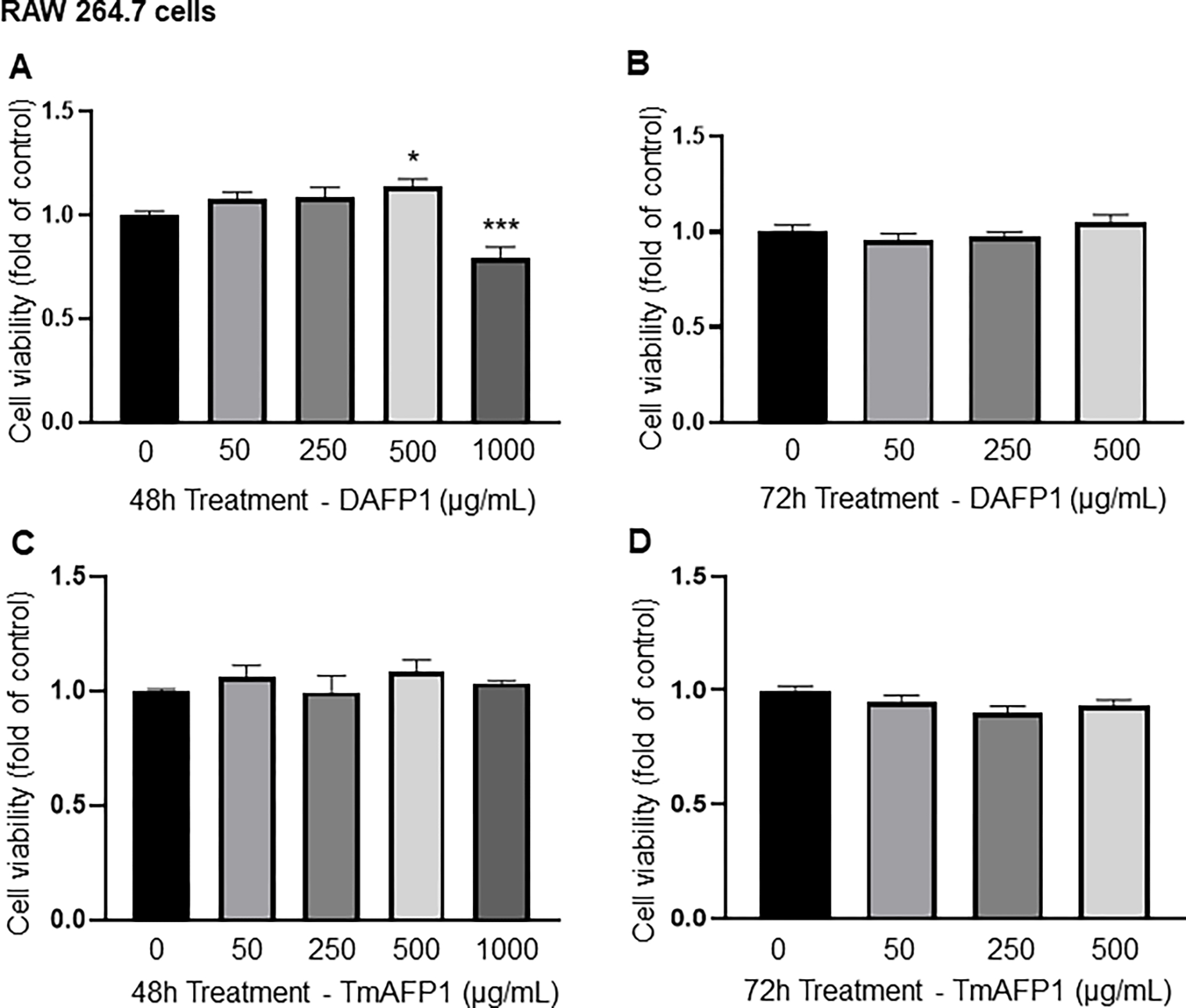
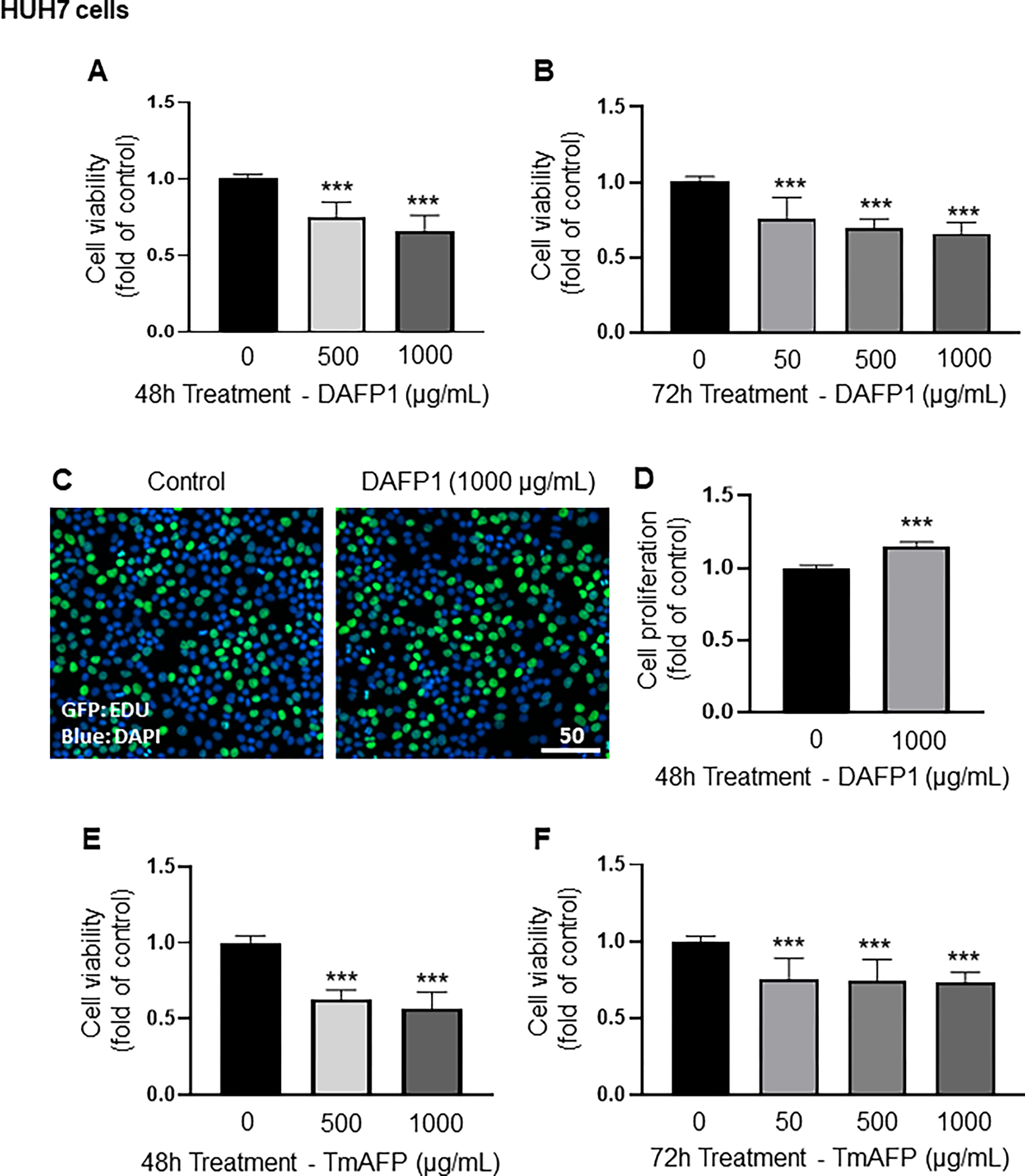
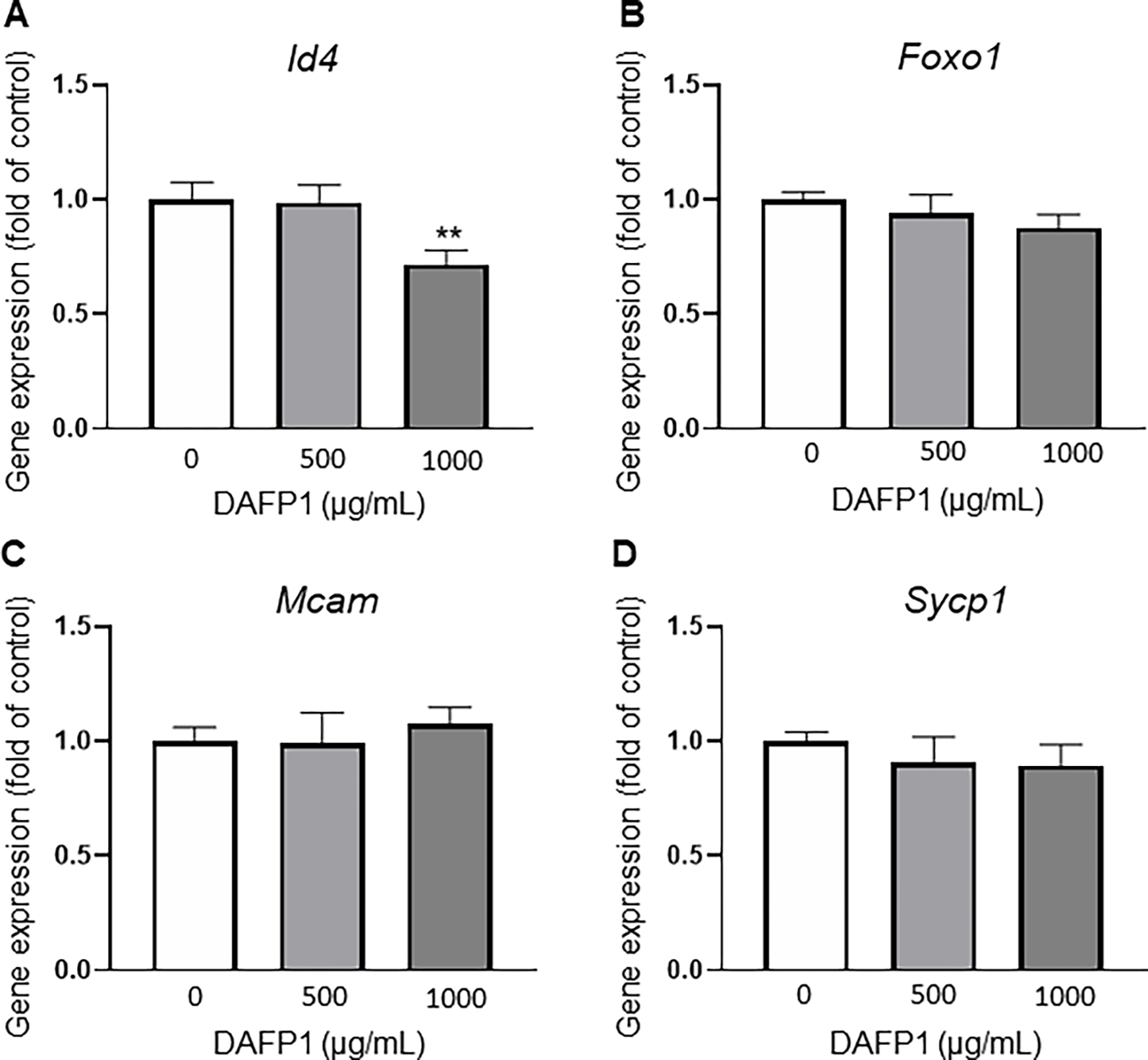
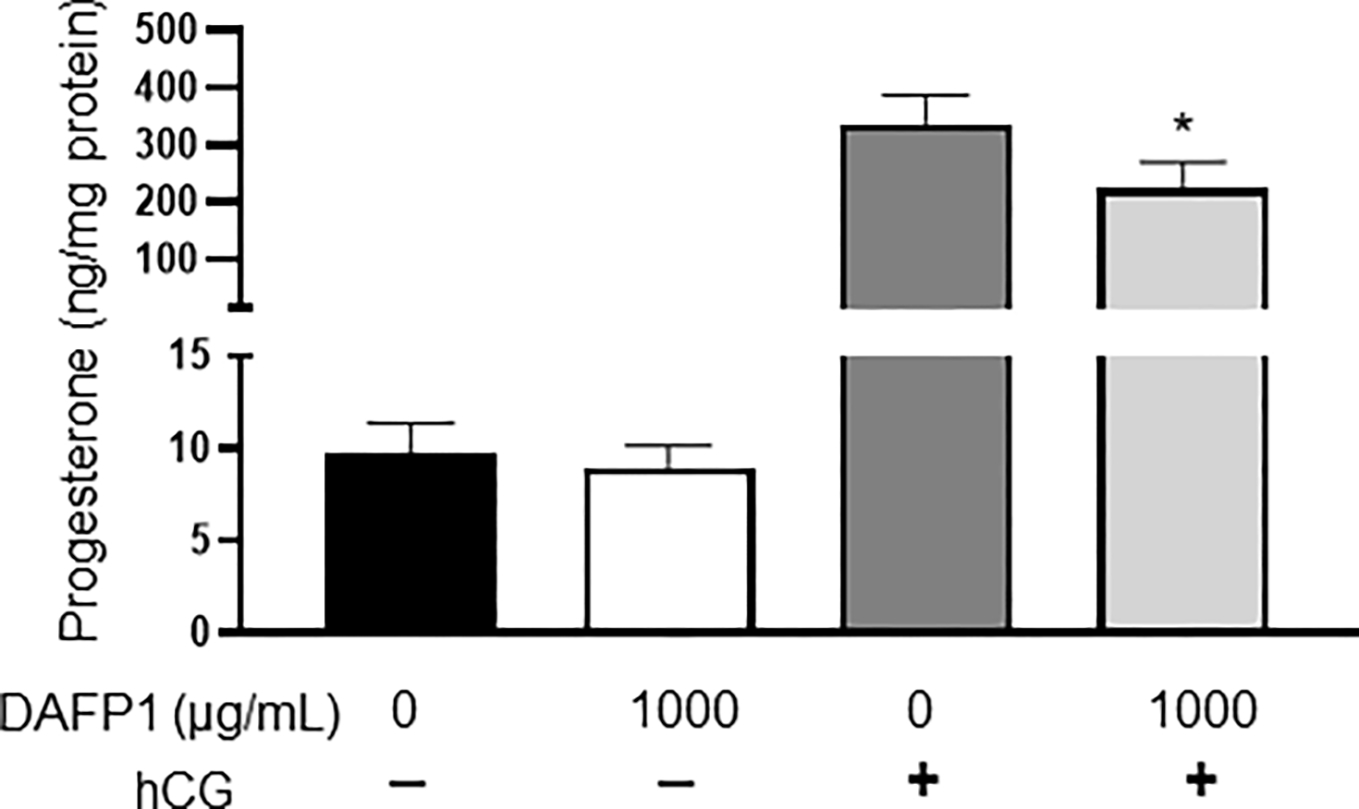
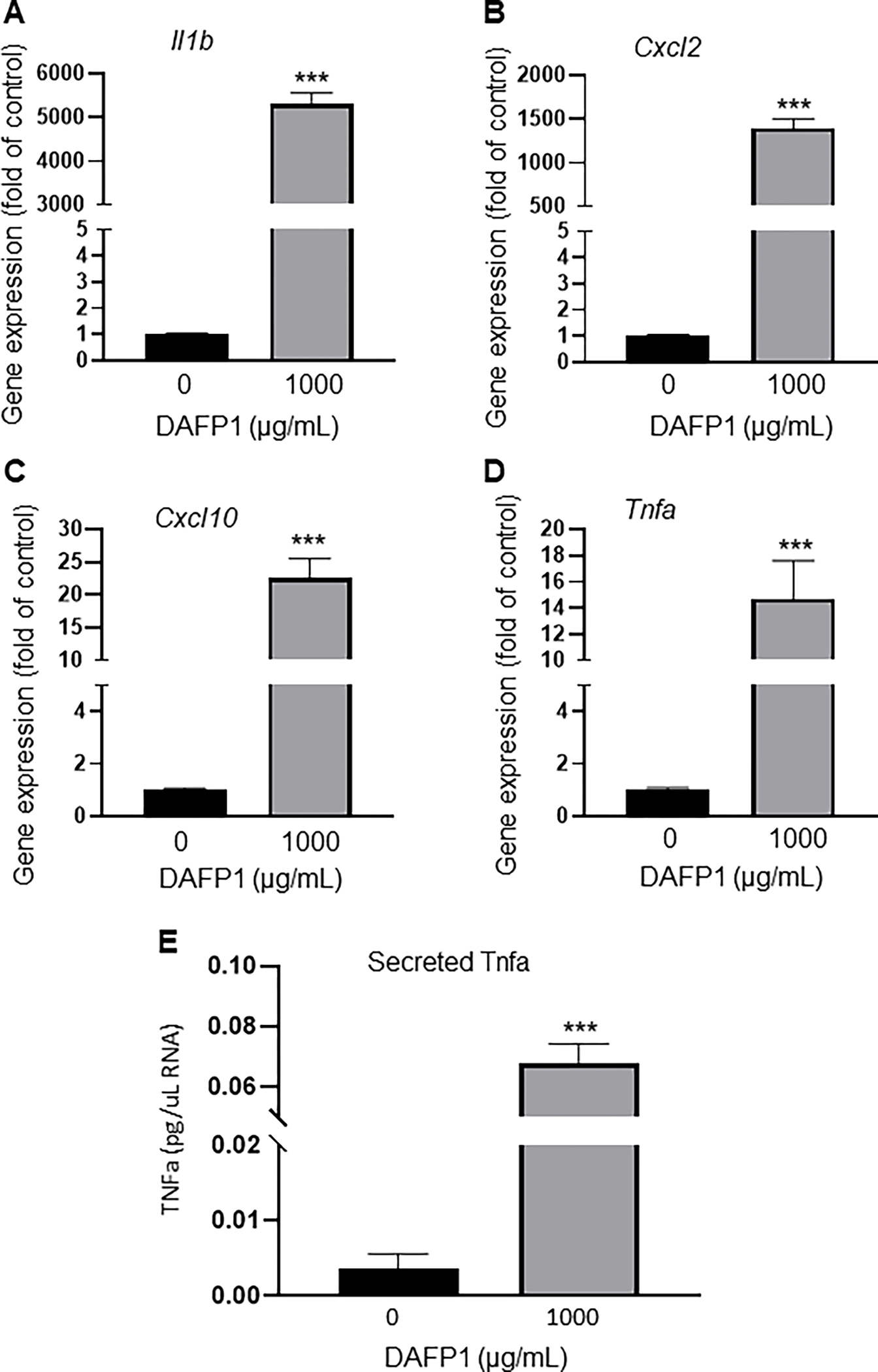
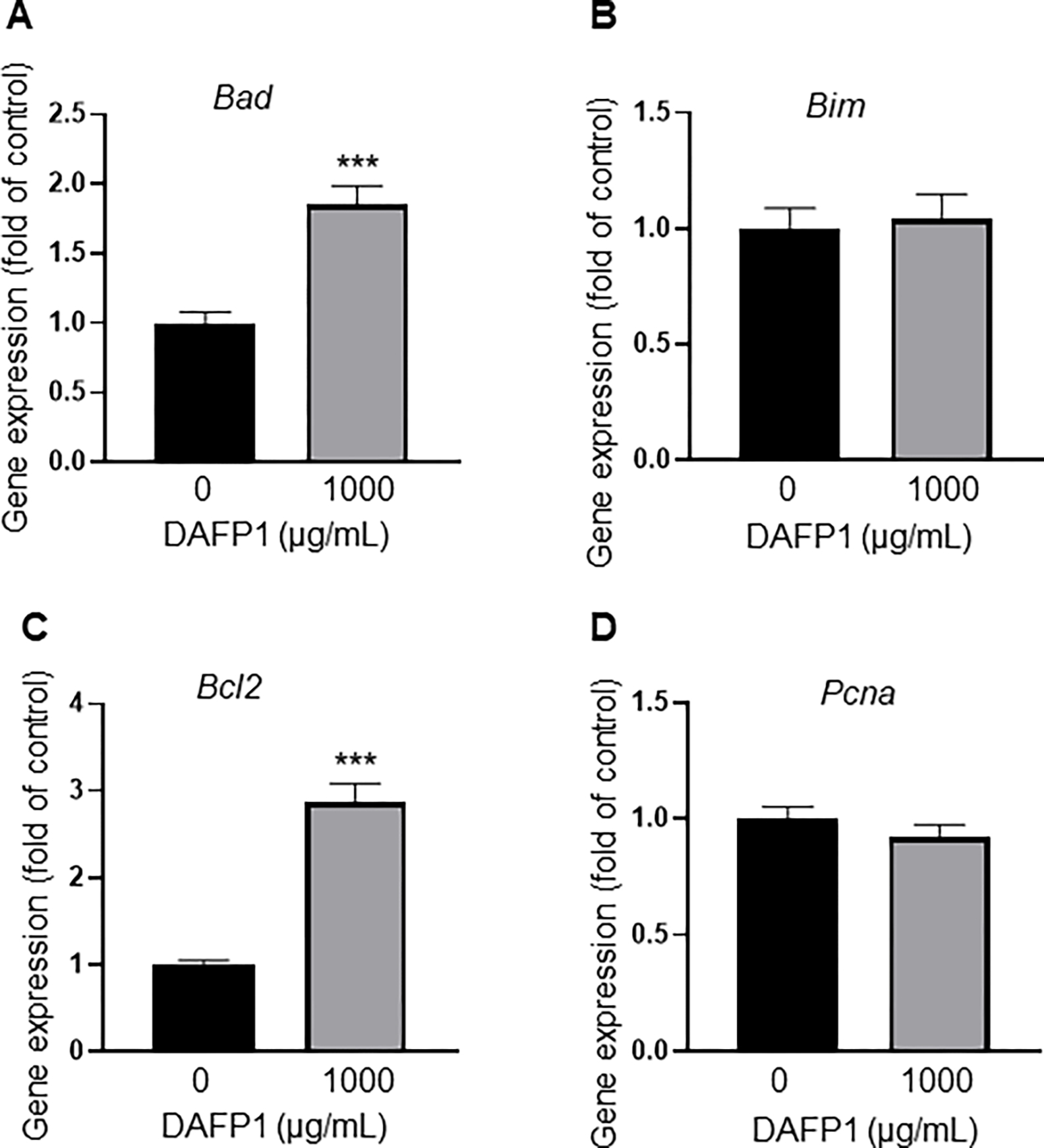
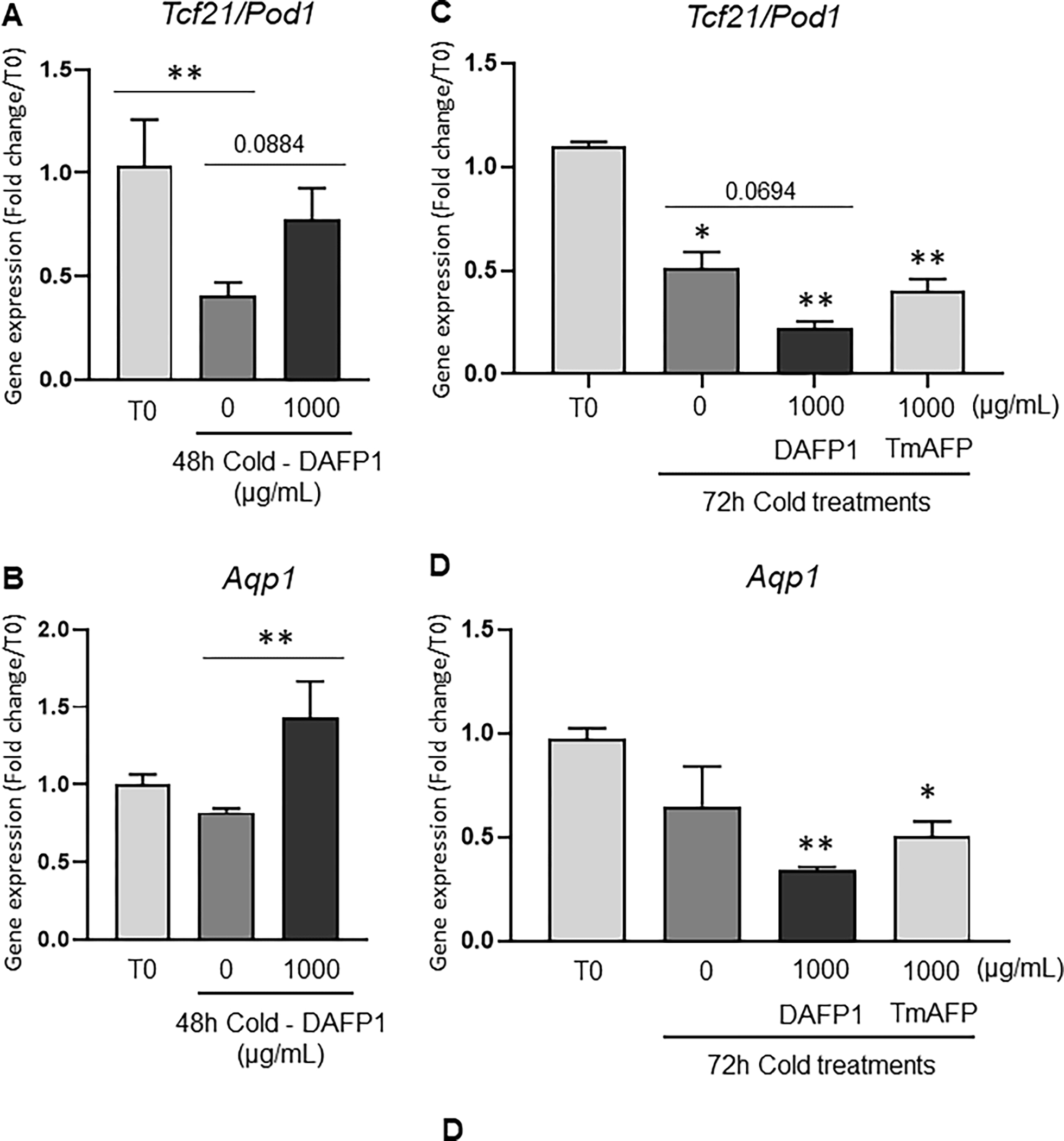
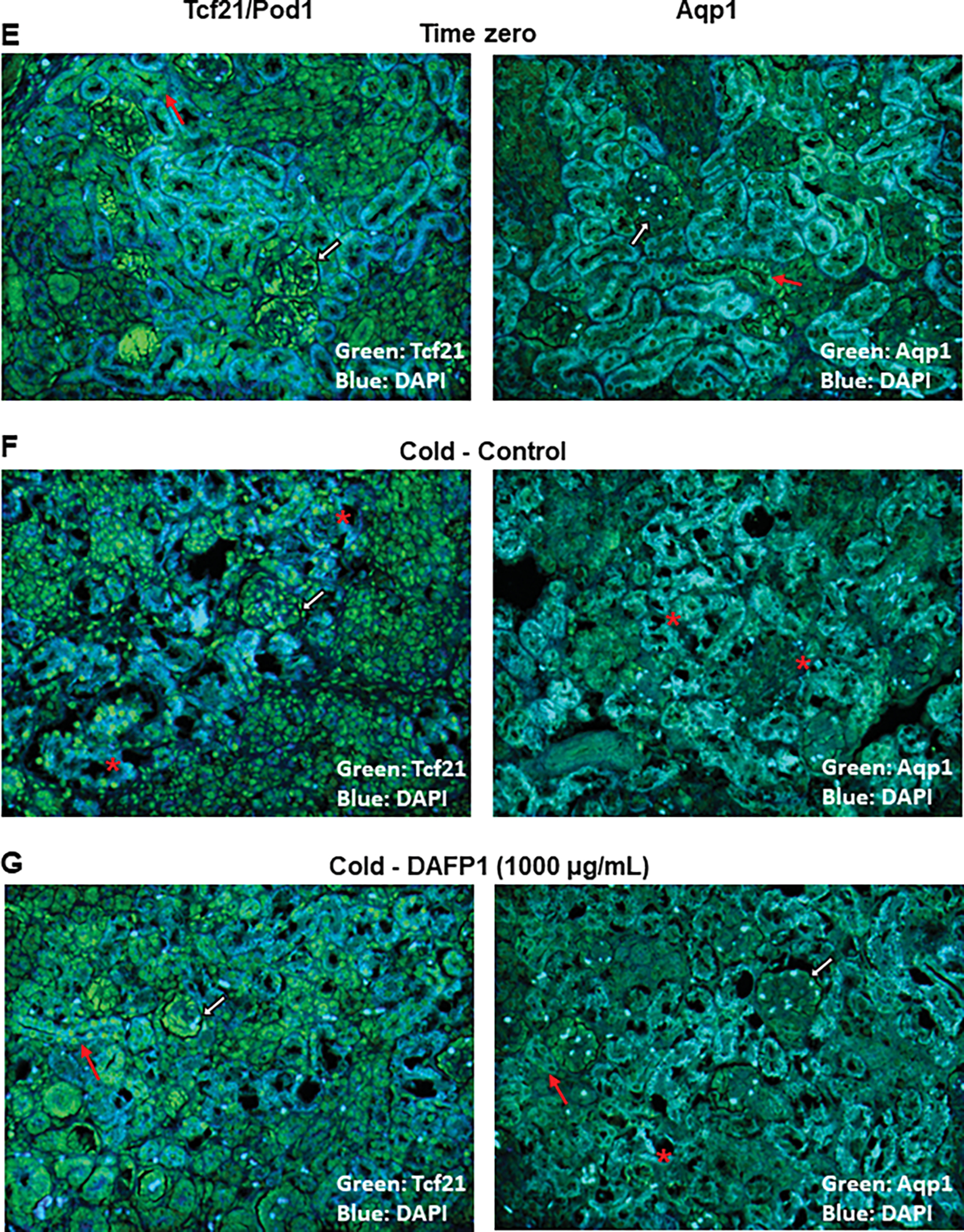
Antifreeze proteins (AFPs), found in many cold-adapted organisms, can protect them from cold and freezing damages and have thus been considered as additional protectants in current cold tissue preservation solutions that generally include electrolytes, osmotic agents, colloids and antioxidants, to reduce the loss of tissue viability associated with cold-preservation. Due to the lack of toxicity profile studies on AFPs, their inclusion in cold preservation solutions has been a trial-and-error process limiting the development of AFPs' application in cold preservation. To assess the feasibility of translating the technology of AFPs for mammalian cell cold or cryopreservation, we determined the toxicity profile of two highly active beetle AFPs, DAFP1 and TmAFP, from Dendroides canadensis and Tenebrio molitor in this study. Toxicity was examined on a panel of representative mammalian cell lines including testicular spermatogonial stem cells and Leydig cells, macrophages, and hepatocytes. Treatments with DAFP1 and TmAFP at up to 500 μg/mL for 48 and 72 h were safe in three of the cell lines, except for a 20% decrease in spermatogonia treated with TmAFP. However, both AFPs at 500 μg/mL or below reduced hepatocyte viability by 20-40% at 48 and 72 h. At 1000 μg/mL, DAFP1 and TmAFP reduced viability in most cell lines. While spermatogonia and Leydig cell functions were not affected by 1000 μg/mL DAFP1, this treatment induced inflammatory responses in macrophages. Adding 1000 μg/mL DAFP1 to rat kidneys stored at 4 °C for 48 h protected the tissues from cold-related damage, based on tissue morphology and gene and protein expression of two markers of kidney function. However, DAFP1 and TmAFP did not prevent the adverse effects of cold on kidneys over 72 h. Overall, DAFP1 is less toxic at high dose than TmAFP, and has potential for use in tissue preservation at doses up to 500 μg/mL. However, careful consideration must be taken due to the proinflammatory potential of DAFP1 on macrophages at higher doses and the heighten susceptibility of hepatocytes to both AFPs.
Keywords: Antifreeze proteins; Cell lines; Cold protection; DAFP1; Kidney; Toxicity.
Copyright © 2022 Elsevier B.V. All rights reserved.
Figures
References
-
- Boisvert A, Jones S, Issop L, Erythropel HC, Papadopoulos V, Culty M, 2016. In vitro functional screening as a means to identify new plasticizers devoid of reproductive toxicity. Environ Res 150, 496–512. - PubMed
-
- Crevel R, Fedyk J, Spurgeon M, 2002. Antifreeze proteins: characteristics, occurrence and human exposure. Food and Chemical Toxicology 40, 899–903. - PubMed
-
- Cui S, Schwartz L, Quaggin SE, 2003. Pod1 is required in stromal cells for glomerulogenesis. Dev Dyn 226, 512–522. - PubMed
-
- Culty M, 2013. Gonocytes, from the fifties to the present: is there a reason to change the name? Biology of reproduction 89, 46, 41–46. - PubMed
MeSH terms
Substances
Grants and funding
LinkOut - more resources
Full Text Sources
