


Homelessness and the use of Emergency Department as a source of healthcare: a systematic review
- PMID: 35902803
- PMCID: PMC9330962
- DOI: 10.1186/s12245-022-00435-3
Homelessness and the use of Emergency Department as a source of healthcare: a systematic review
Abstract
Background: Persons experiencing homelessness (PEH) often use hospital Emergency Department (ED) as the only source of healthcare. The aim of this study was to undertake a systematic review to identify the prevalence, clinical reasons and outcomes in relation to ED visits by PEH.
Methods: A protocol-led (CRD42020189263) systematic review was conducted using search of MEDLINE, EMBASE, CINAHL and Google Scholar databases. Studies that reported either the prevalence of homelessness in the ED or clinical reasons for presentation to ED by PEH and published in English language were included. Definitions of homelessness used by study authors were accepted.
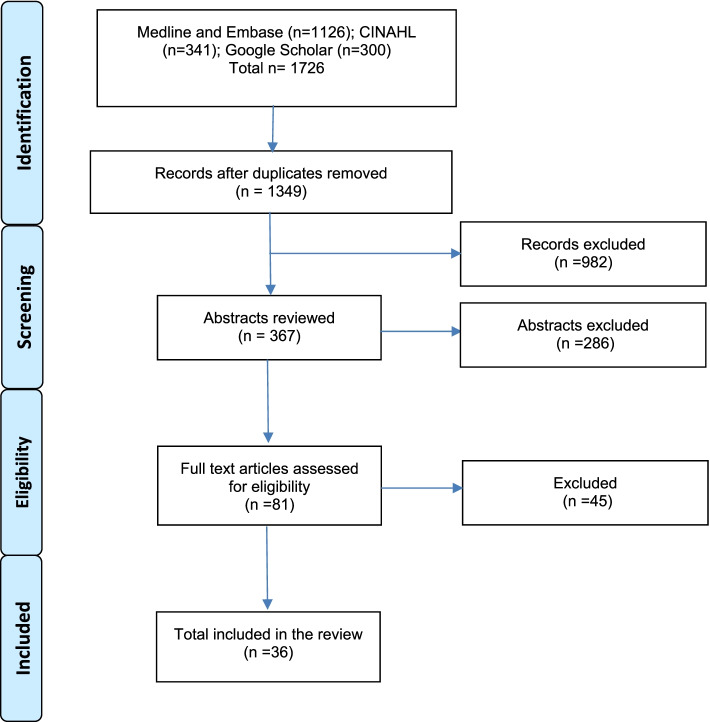
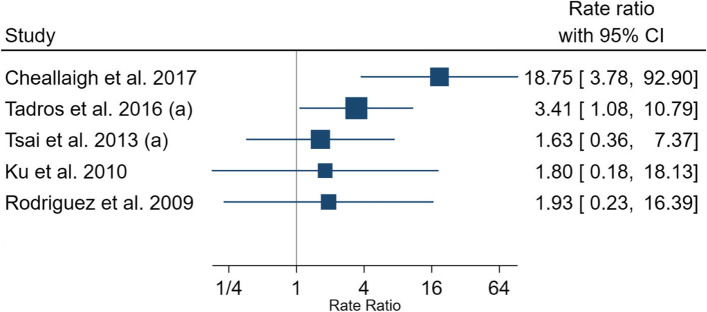
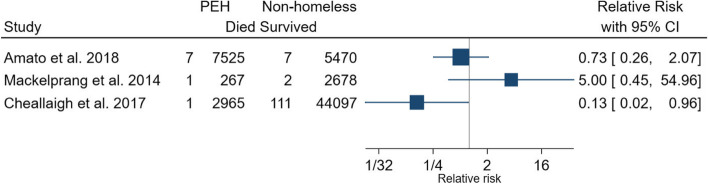
Results: From the screening of 1349 unique titles, a total of 36 studies were included. Wide variations in the prevalence and key cause of presentations were identified across the studies often linked to differences in country, study setting, disease classification and data collection methods. The proportion of ED visits contributed by PEH ranged from 0.41 to 19.6%. PEH made an average of 0.72 visits to 5.8 visits per person per year in the ED [rate ratio compared to non-homeless 1.63 to 18.75]. Up to a third and quarter of the visits were contributed by alcohol-related diagnoses and substance poisoning respectively. The percentage of PEH who died in the ED ranged from 0.1 to 0.5%.
Conclusions: Drug-, alcohol- and injury-related presentations dominate the ED visits by PEH. Wide variations in the data were observed in regard to attendance and treatment outcomes. There is a need for prevention actions in the community, integrated discharge and referral pathways between health, housing and social care to minimise frequent usage and improve attendance outcomes.
Keywords: Emergency department; Health disparity; Homelessness.
© 2022. The Author(s).
Conflict of interest statement
The authors declare that they have no competing interests.
Figures
References
-
- Chamie J. As cities grow, so do the numbers of homeless. 2017. Available at: https://archive-yaleglobal.yale.edu/content/cities-grow-so-do-numbers-ho.... Accessed July 20, 2021.
-
- HUD. Criteria and recordkeeping requirements for definition of homelessness. 2012. Available at: https://www.hudexchange.info/resource/1974/criteria-and-recordkeeping-re.... Accessed July 20, 2021.
-
- FEANTSA. ETHOS. European typology on homelessness and housing exclusion. 2005. Available at: https://www.feantsa.org/en/toolkit/2005/04/01/ethos-typology-on-homeless.... Accessed 10 Apr 2021.
-
- Allison C. UK official statistics on homelessness: comparisons, definitions, and processes. 2019. Available at: https://gss.civilservice.gov.uk/policy-store/homelessness/. Accessed April 10, 2021.
-
- Henry M, Mahathey A, Takashima M. The 2018 annual homeless assessment report (AHAR) to congress. Part 2: estimates of homelessness in the United States. 2020. Available at: https://www.huduser.gov/portal/sites/default/files/pdf/2018-AHAR-Part-2.pdf. Accessed June 1, 2021.
Publication types
LinkOut - more resources
Full Text Sources
