


Human placental microRNAs dysregulated by cadmium exposure predict neurobehavioral outcomes at birth
- PMID: 35906307
- PMCID: PMC9884320
- DOI: 10.1038/s41390-022-02201-w
Human placental microRNAs dysregulated by cadmium exposure predict neurobehavioral outcomes at birth
Abstract
Background: Prenatal cadmium (Cd) exposure has been implicated in both placental toxicity and adverse neurobehavioral outcomes. Placental microRNAs (miRNAs) may function to developmentally program adverse pregnancy and newborn health outcomes in response to gestational Cd exposure.
Methods: In a subset of the Rhode Island Child Health Study (RICHS, n = 115) and the New Hampshire Birth Cohort Study (NHBCS, = 281), we used small RNA sequencing and trace metal analysis to identify Cd-associated expression of placental miRNAs using negative binomial generalized linear models. We predicted mRNAs targeted by Cd-associated miRNAs and relate them to neurobehavioral outcomes at birth through the integration of transcriptomic data and summary scores from the NICU Network Neurobehavioral Scale (NNNS).
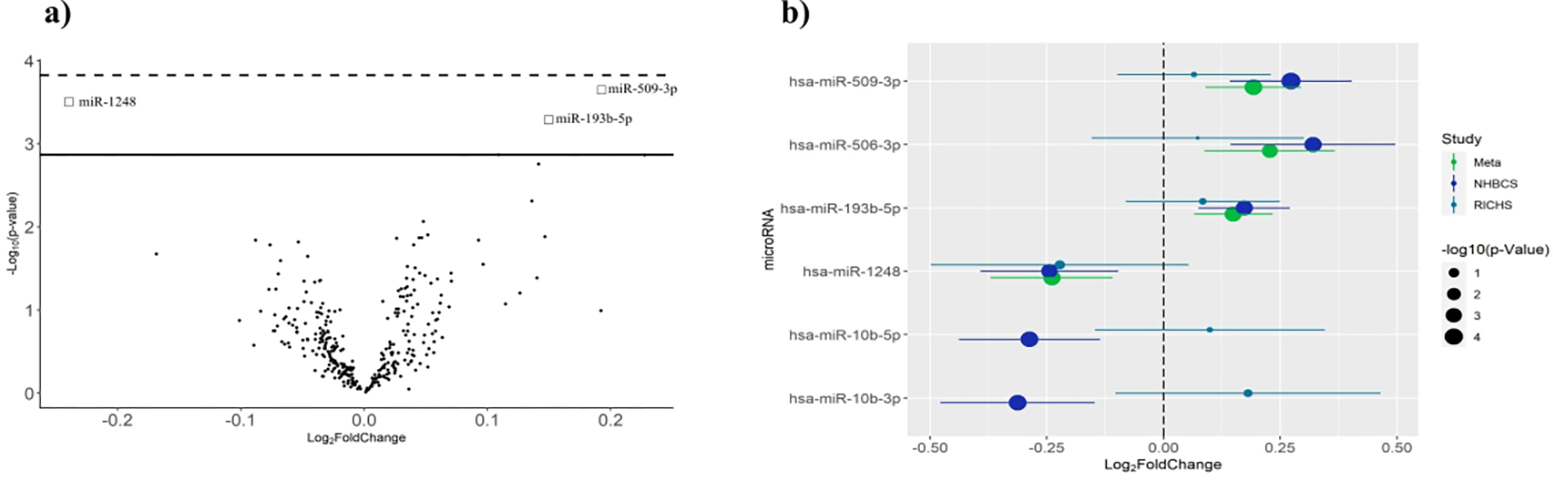
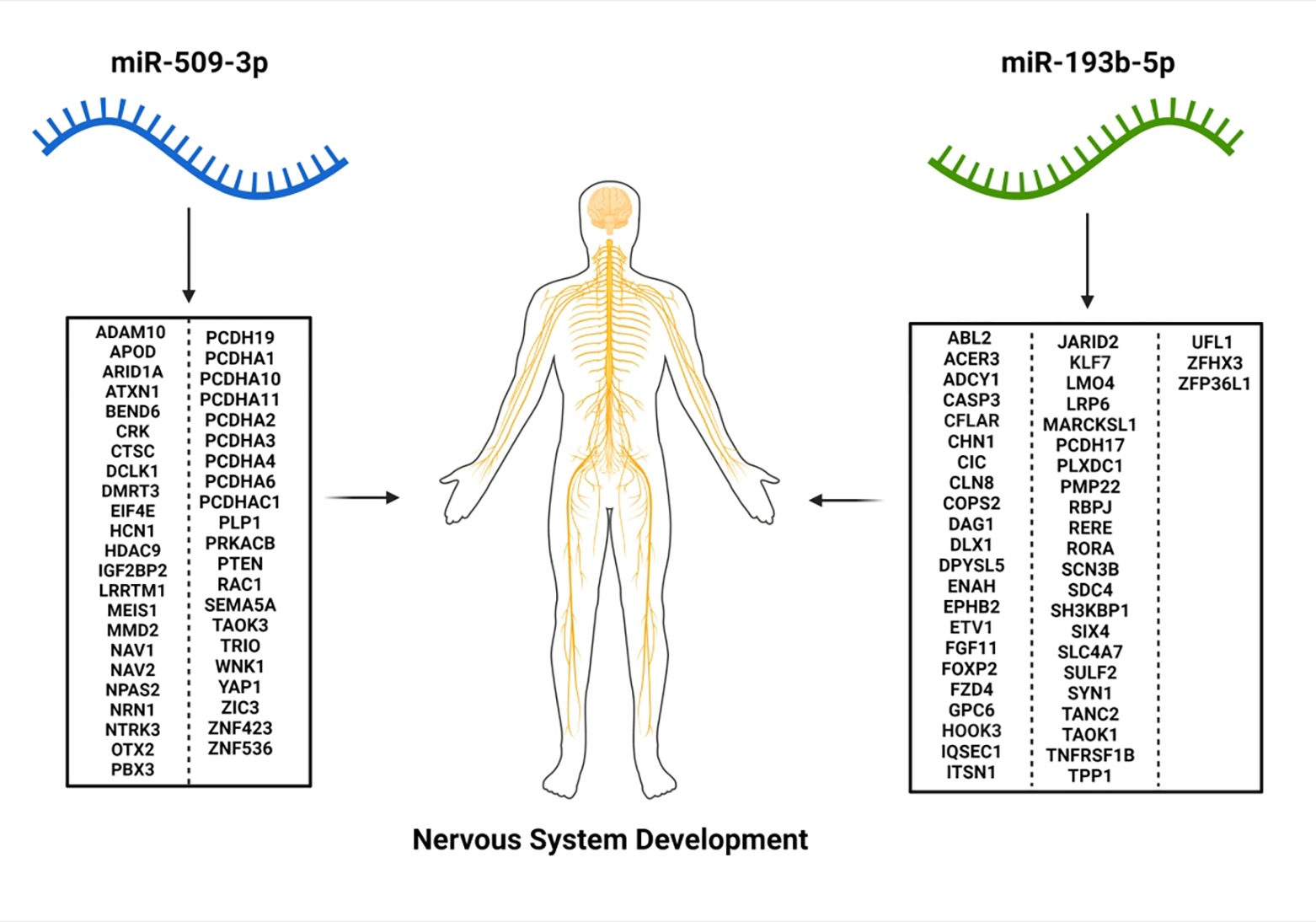
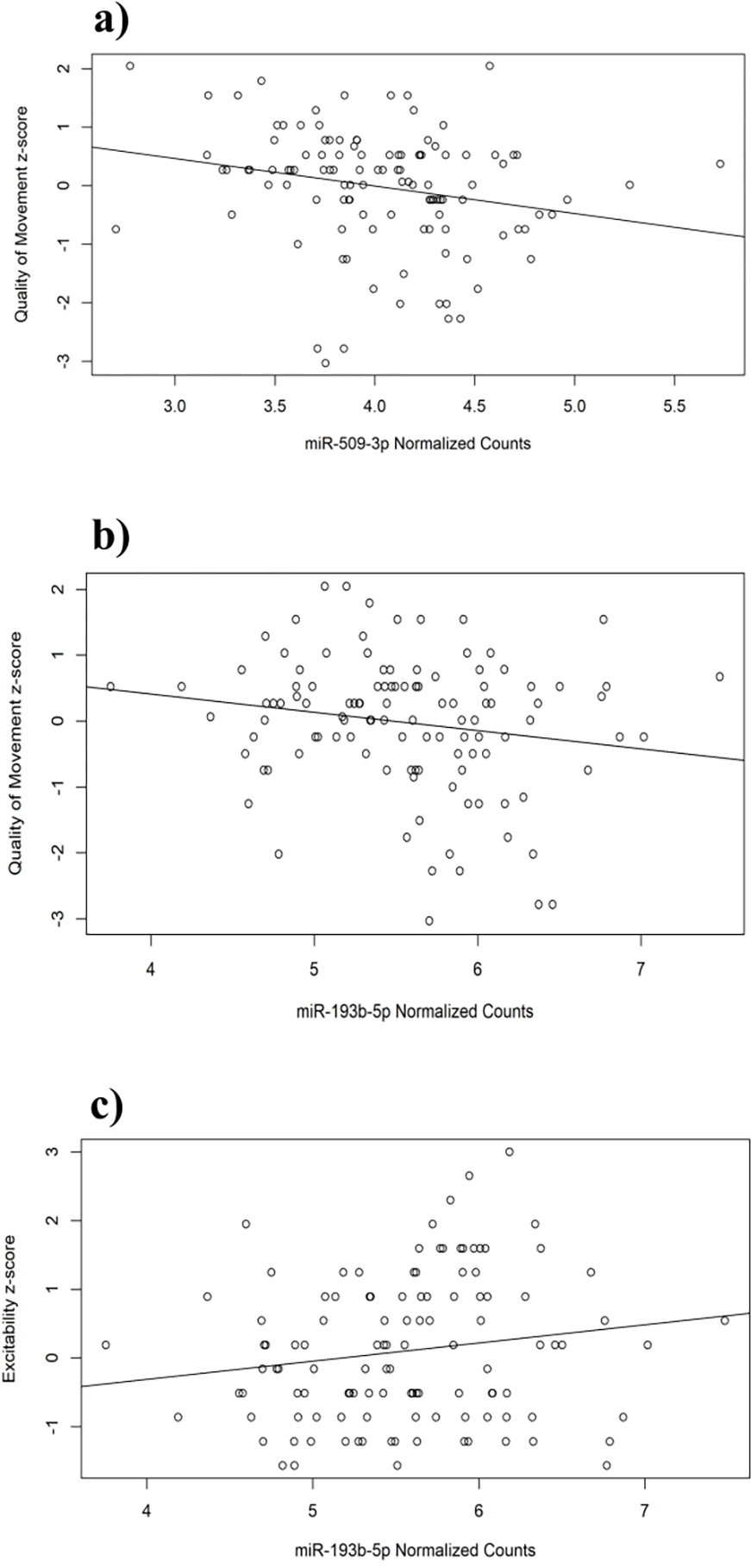
Results: Placental Cd concentrations are significantly associated with the expression level of five placental miRNAs in NHBCS, with similar effect sizes in RICHS. These miRNA target genes overrepresented in nervous system development, and their expression is correlated with NNNS metrics suggestive of atypical neurobehavioral outcomes at birth.
Conclusions: Gestational Cd exposure is associated with the expression of placental miRNAs. Predicted targets of these miRNAs are involved in nervous system development and may also regulate placental physiology, allowing their dysregulation to modify developmental programming of early life health outcomes.
Impact: This research aims to address the poor understanding of the molecular mechanisms governing adverse pregnancy and newborn health outcomes in response to Gestational cadmium (Cd) exposure. Our results outline a robust relationship between Cd-associated placental microRNA expression and NICU Network Neurobehavioral Scales (NNNS) at birth indicative of atypical neurobehavior. This study utilized healthy mother-infant cohorts to describe the role of Cd-associated dysregulation of placental microRNAs as a potential mechanism by which adverse neurobehavioral outcomes are developmentally programmed.
© 2022. The Author(s), under exclusive licence to the International Pediatric Research Foundation, Inc.
Conflict of interest statement
DISCLOSURE STATEMENT:
The authors declare they have no competing interests or personal relationships that would potentially influence the work presented in this paper.
Figures
References
-
- WHO. Exposure to Cadmium : A Major Public Health Concern. (2010).
-
- Jarup L & Akesson A Current Status of Cadmium as an Environmental Health Problem. Toxicol Appl Pharmacol 238, 201–208 (2009). - PubMed
Publication types
MeSH terms
Substances
Grants and funding
LinkOut - more resources
Full Text Sources
