


Metabolic control by the microbiome
- PMID: 35906678
- PMCID: PMC9338551
- DOI: 10.1186/s13073-022-01092-0
Metabolic control by the microbiome
Abstract
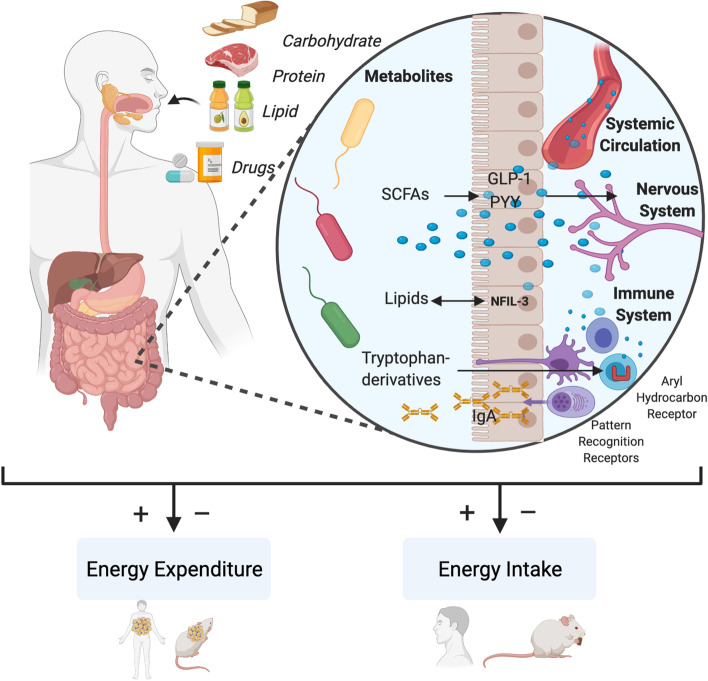
The interaction between the metabolic activities of the intestinal microbiome and its host forms an important part of health. The basis of this interaction is in part mediated by the release of microbially-derived metabolites that enter the circulation. These products of microbial metabolism thereby interface with the immune, metabolic, or nervous systems of the host to influence physiology. Here, we review the interactions between the metabolic activities of the microbiome and the systemic metabolism of the host. The concept that the endocrine system includes more than just the eukaryotic host component enables the rational design of exogenous interventions that shape human metabolism. An improved mechanistic understanding of the metabolic microbiome-host interaction may therefore pioneer actionable microbiota-based diagnostics or therapeutics that allow the control of host systemic metabolism via the microbiome.
Keywords: Metabolism; Metabolites; Microbiome; Nutrients.
© 2022. The Author(s).
Conflict of interest statement
The authors declare that they have no competing interests.
Figures
References
-
- Ng M, Fleming T, Robinson M, Thomson B, Graetz N, Margono C, Mullany EC, Biryukov S, Abbafati C, Abera SF, et al. Global, regional, and national prevalence of overweight and obesity in children and adults during 1980-2013: a systematic analysis for the Global Burden of Disease Study 2013. Lancet. 2014;384:766–781. doi: 10.1016/S0140-6736(14)60460-8. - DOI - PMC - PubMed
Publication types
MeSH terms
Grants and funding
LinkOut - more resources
Full Text Sources
