


Replicating RNA vaccination elicits an unexpected immune response that efficiently protects mice against lethal Crimean-Congo hemorrhagic fever virus challenge
- PMID: 35907368
- PMCID: PMC9335360
- DOI: 10.1016/j.ebiom.2022.104188
Replicating RNA vaccination elicits an unexpected immune response that efficiently protects mice against lethal Crimean-Congo hemorrhagic fever virus challenge
Abstract
Background: Crimean-Congo hemorrhagic fever virus is the cause of a severe hemorrhagic fever with cases reported throughout a wide-geographic region. Spread by the bite of infected ticks, contact with infected livestock or in the health care setting, disease begins as a non-specific febrile illness that can rapidly progress to hemorrhagic manifestations. Currently, there are no approved vaccines and antivirals such as ribavirin have unclear efficacy. Thus treatment is mostly limited to supportive care.
Methods: In this report we evaluated an alphavirus-based replicon RNA vaccine expressing either the CCHFV nucleoprotein or glycoprotein precursor in a stringent, heterologous lethal challenge mouse model.
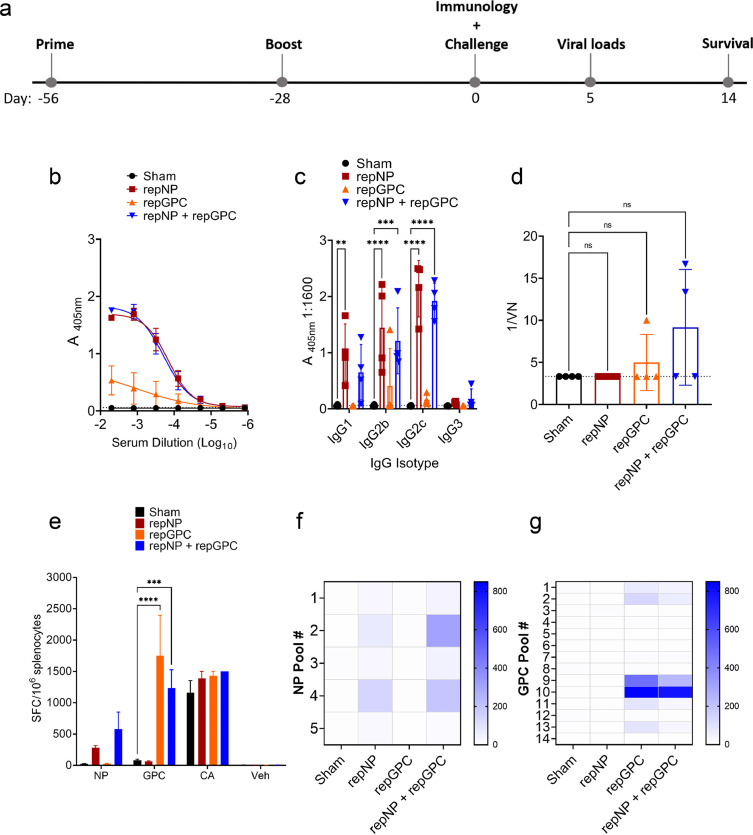
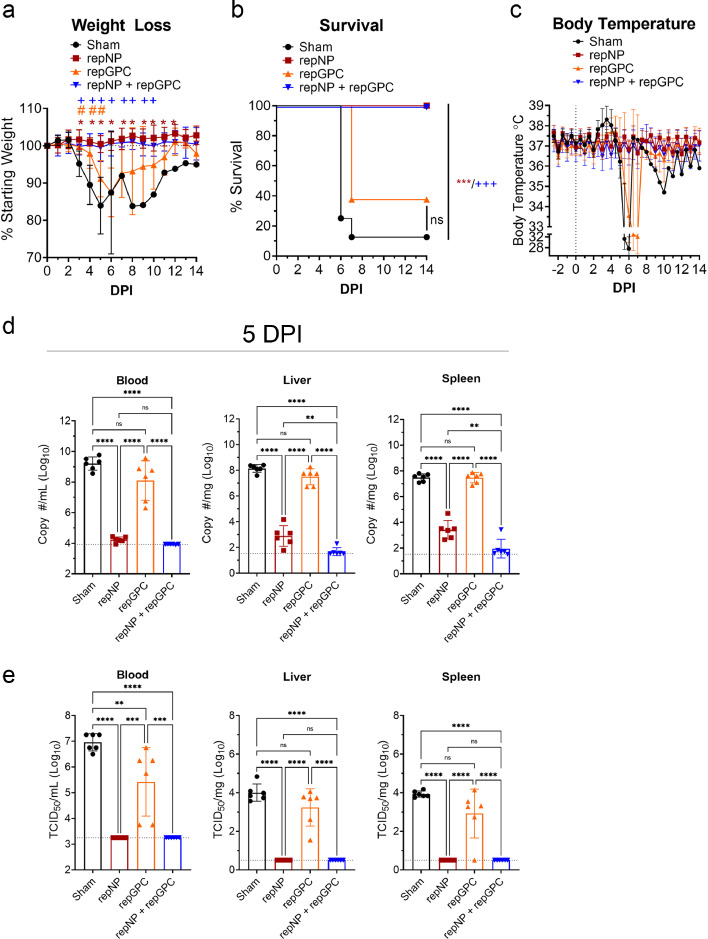
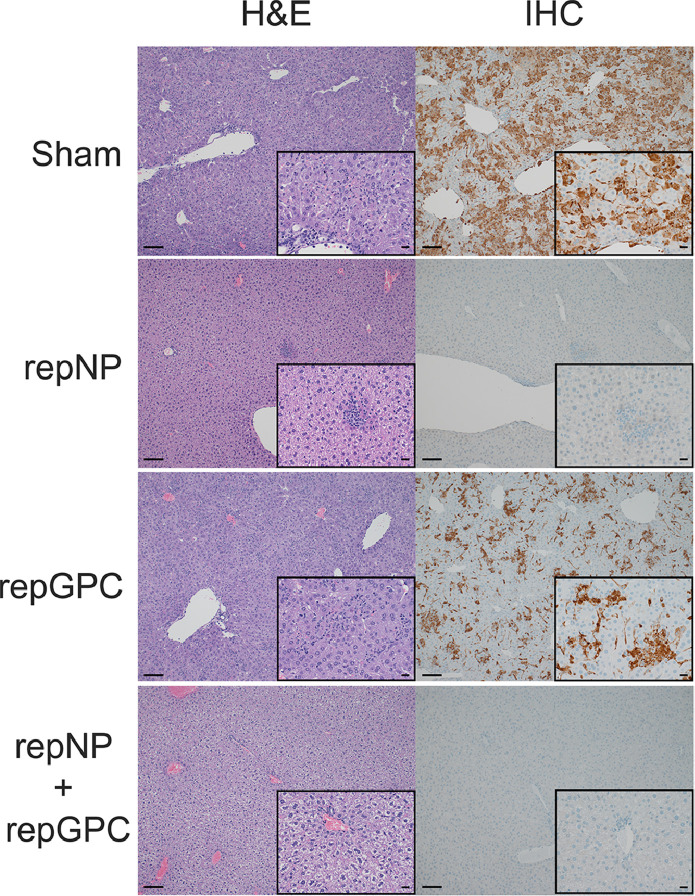
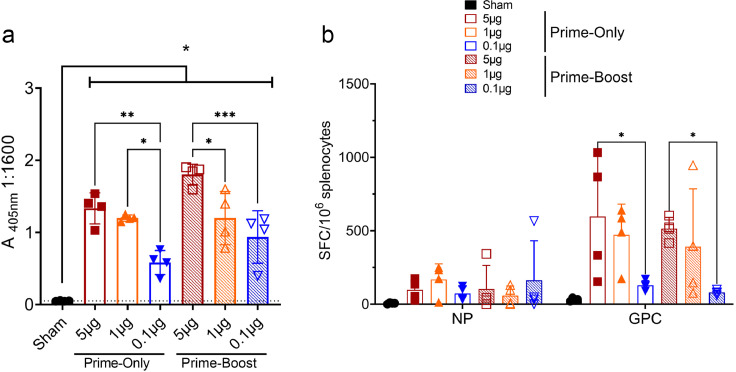
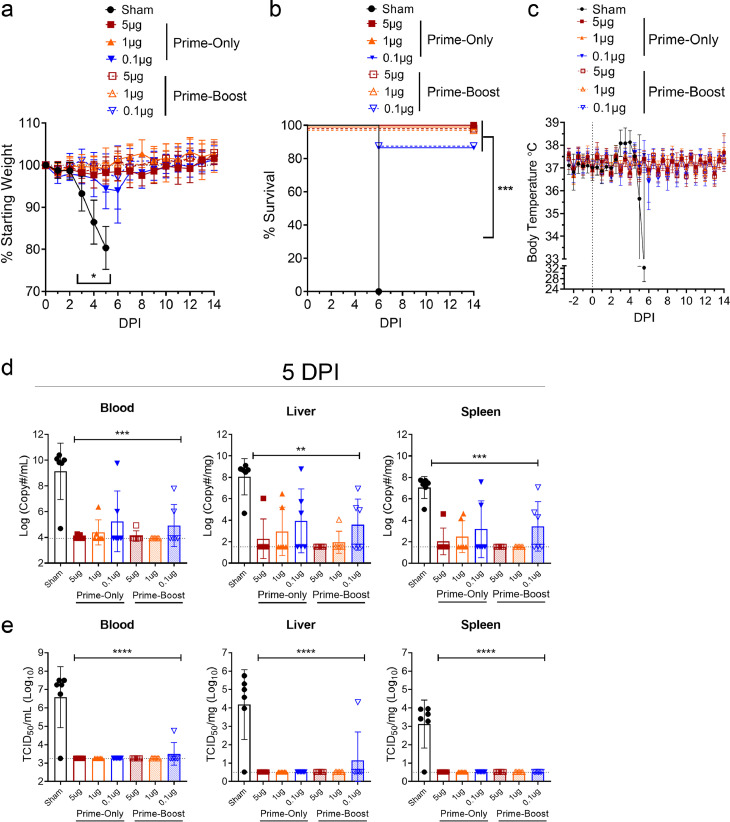
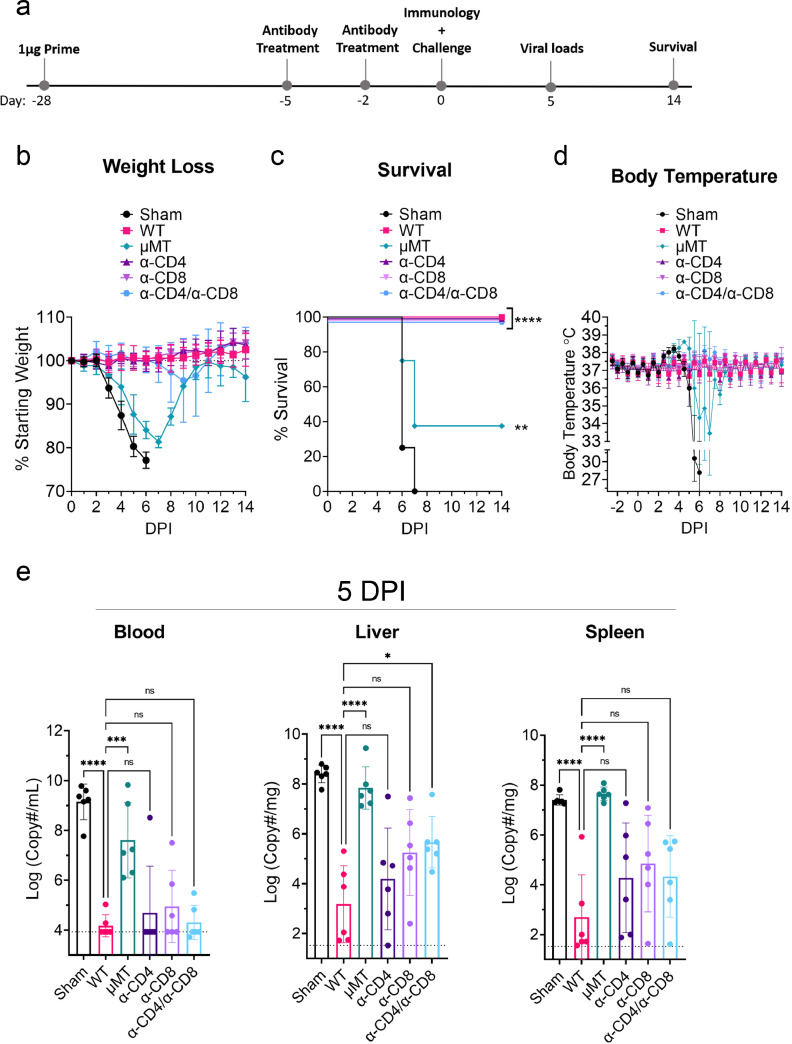
Findings: Vaccination with the RNA expressing the nucleoprotein alone could confer complete protection against clinical disease, but vaccination with a combination of both the nucleoprotein and glycoprotein precursor afforded robust protection against disease and viral replication. Protection from lethal challenge required as little as a single immunization with 100ng of RNA. Unexpectedly, analysis of the immune responses elicited by the vaccine components showed that vaccination resulted in antibodies against the internal viral nucleoprotein and cellular immunity against the virion-exposed glycoproteins.
Interpretation: Cumulatively this vaccine conferred robust protection against Crimean-Congo hemorrhagic fever virus and supports continued development of this vaccine candidate.
Funding: This research was supported by the Intramural Research Program of the NIAID/NIH and HDT Bio.
Keywords: CCHFV; Crimean-Congo hemorrhagic fever; Mouse; RNA vaccine; Vaccine.
Published by Elsevier B.V.
Conflict of interest statement
Declaration of interests J.A. has equity interest in HDT Bio. J.E. has equity interest in HDT Bio, is a consultant for InBios and is a co-inventor on U.S. patent application no. 62/993,307 “Compositions and methods for delivery of RNA” pertaining to formulations for RNA delivery. DWH, JE and HF are inventors on U.S. patent application number 63/365,015 “Replicating RNA vaccine for Crimean-Congo hemorrhagic fever virus” regarding the repRNA for use against CCHFV.
Figures
References
-
- Tsergouli K, Karampatakis T, Haidich AB, Metallidis S, Papa A. Nosocomial infections caused by Crimean-Congo haemorrhagic fever virus. J Hosp Infect. 2020;105(1):43–52. - PubMed
MeSH terms
Substances
LinkOut - more resources
Full Text Sources
Other Literature Sources
Molecular Biology Databases
