


Adolescent ethanol drinking promotes hyperalgesia, neuroinflammation and serotonergic deficits in mice that persist into adulthood
- PMID: 35907582
- PMCID: PMC10289137
- DOI: 10.1016/j.bbi.2022.07.160
Adolescent ethanol drinking promotes hyperalgesia, neuroinflammation and serotonergic deficits in mice that persist into adulthood
Abstract
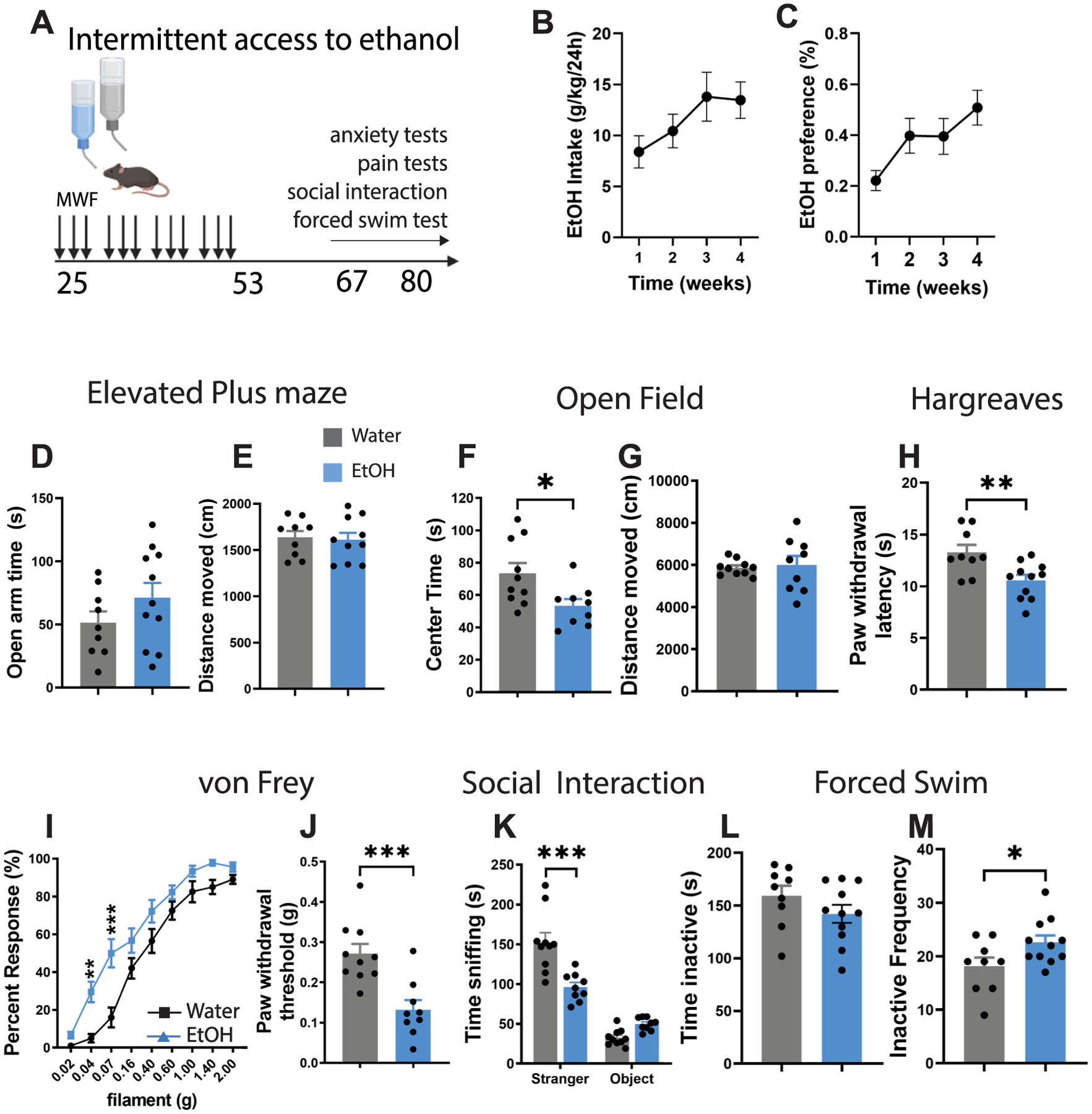
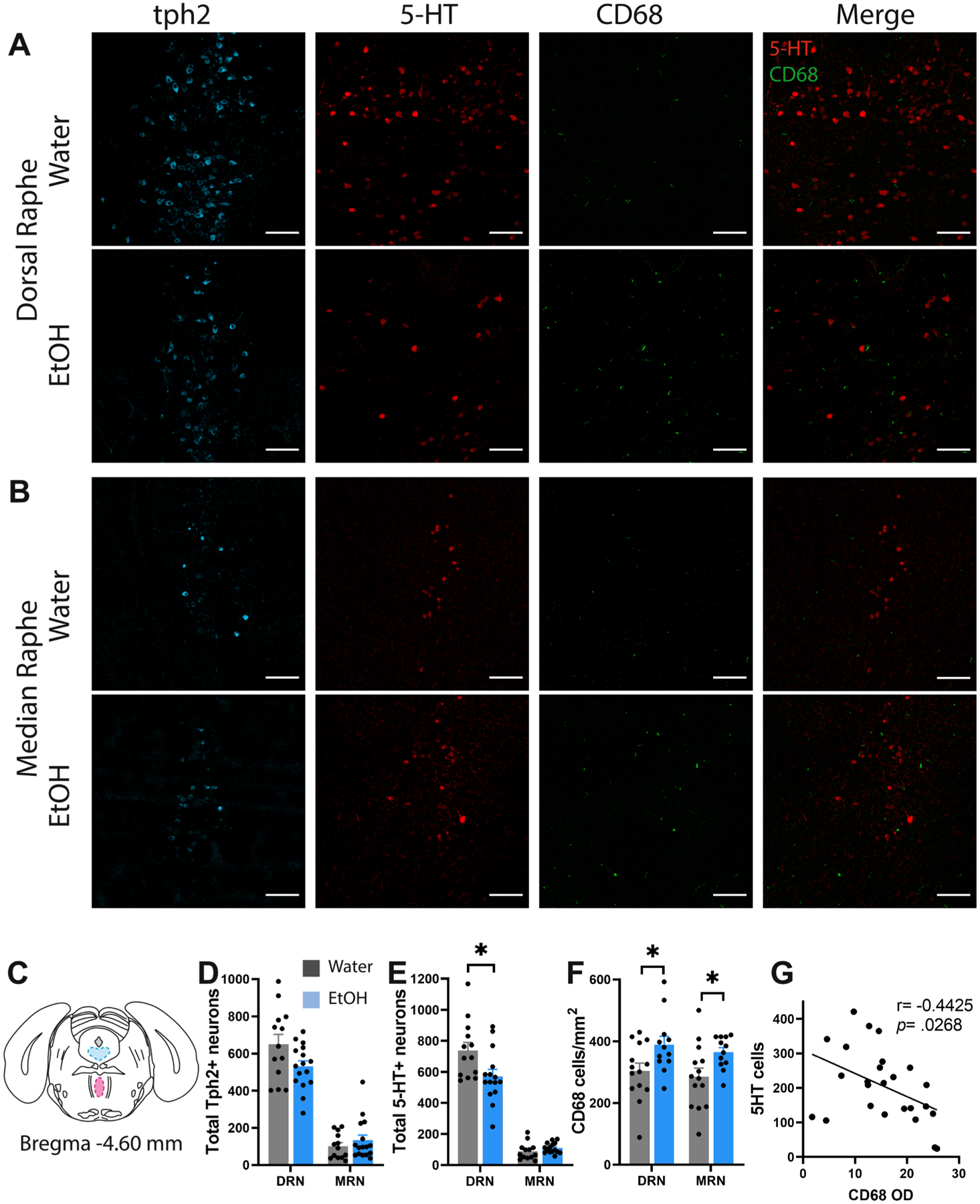
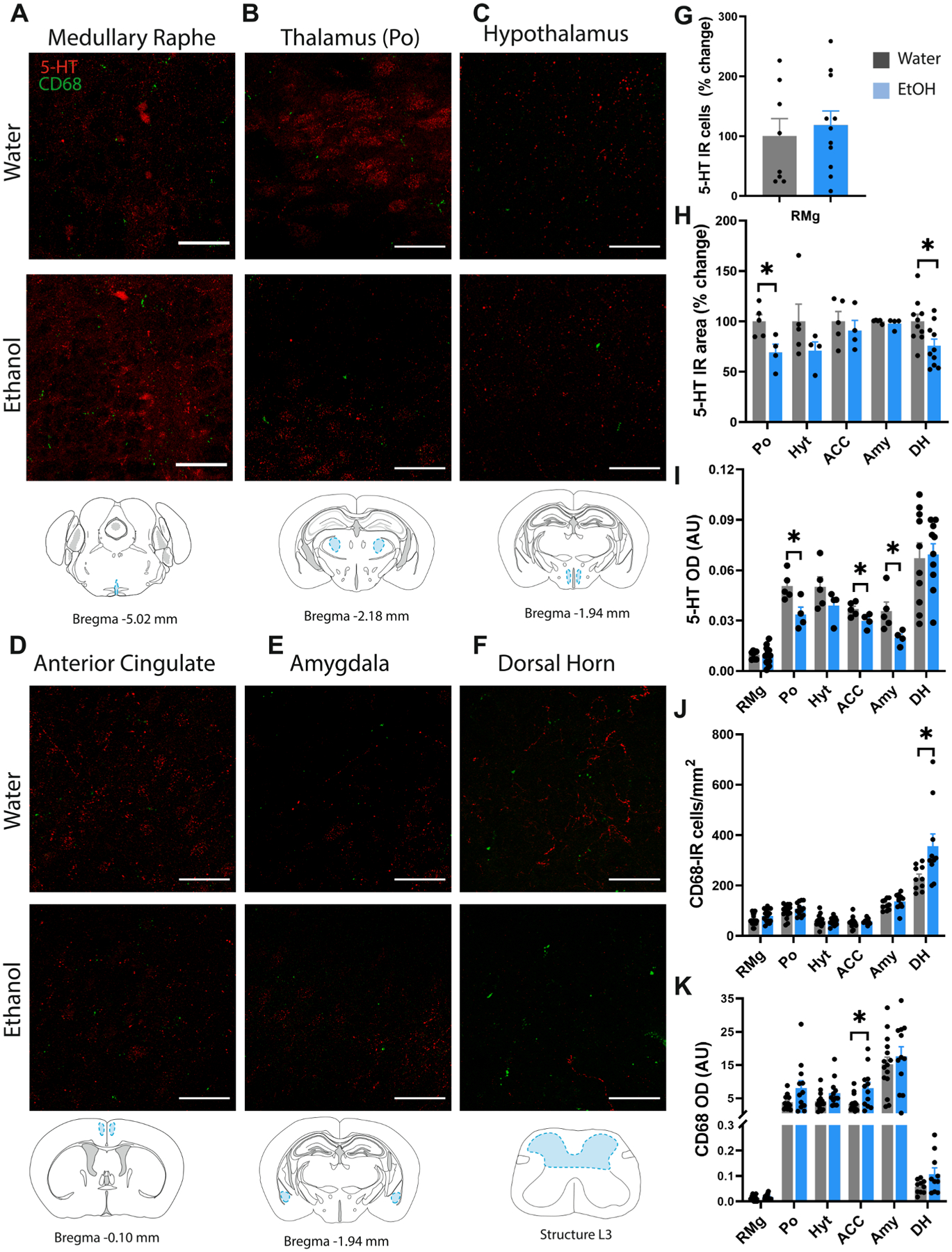
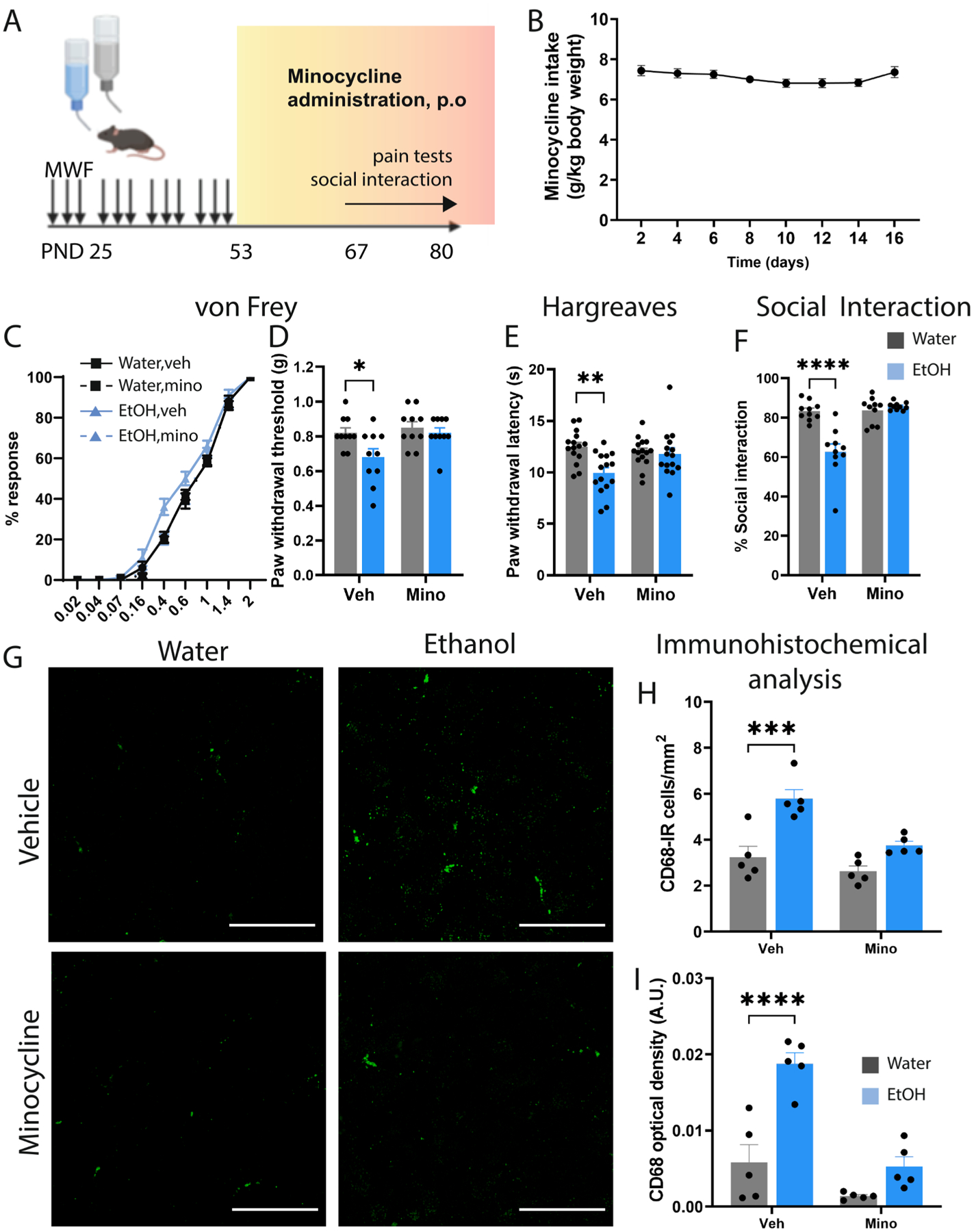
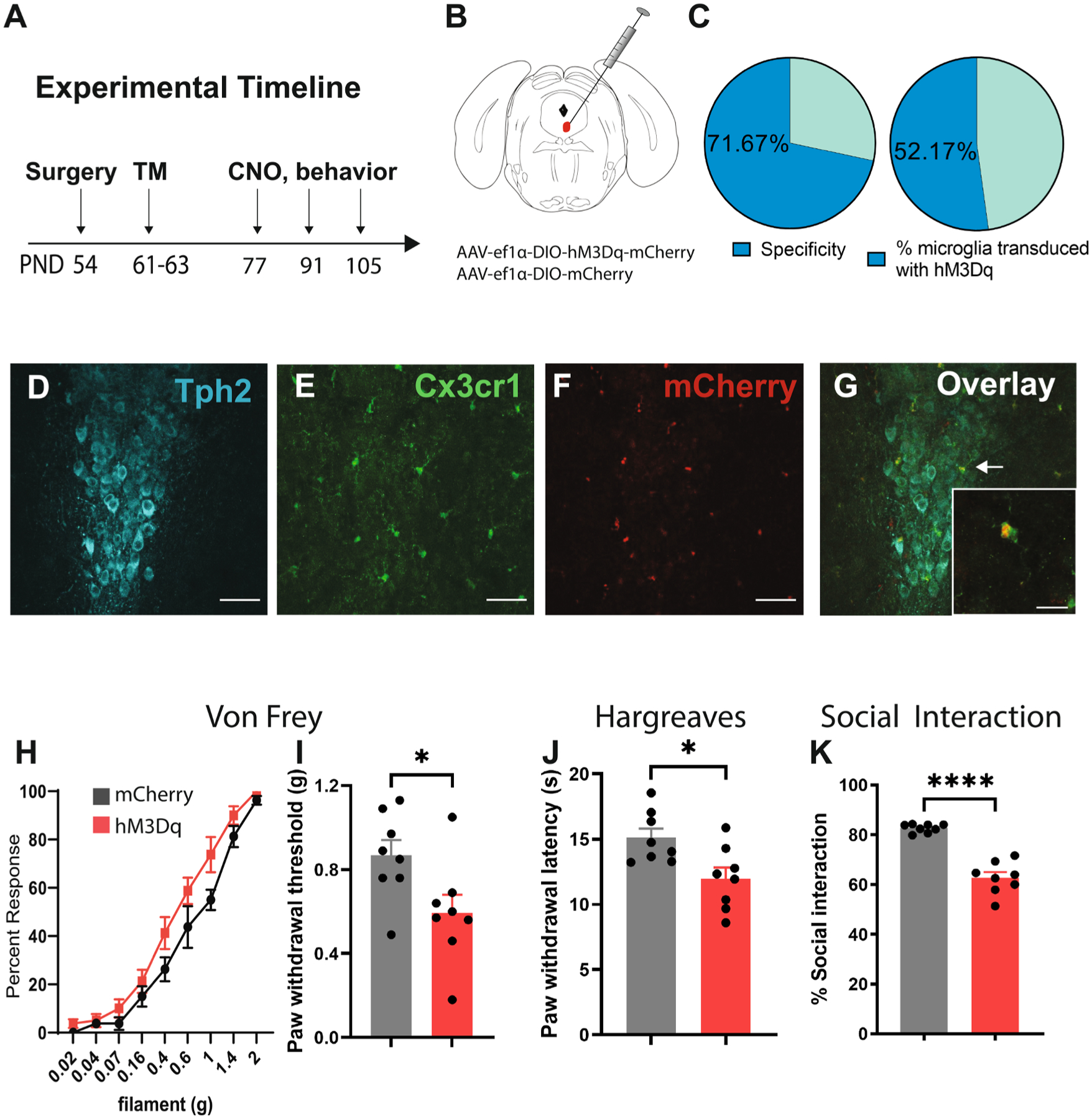
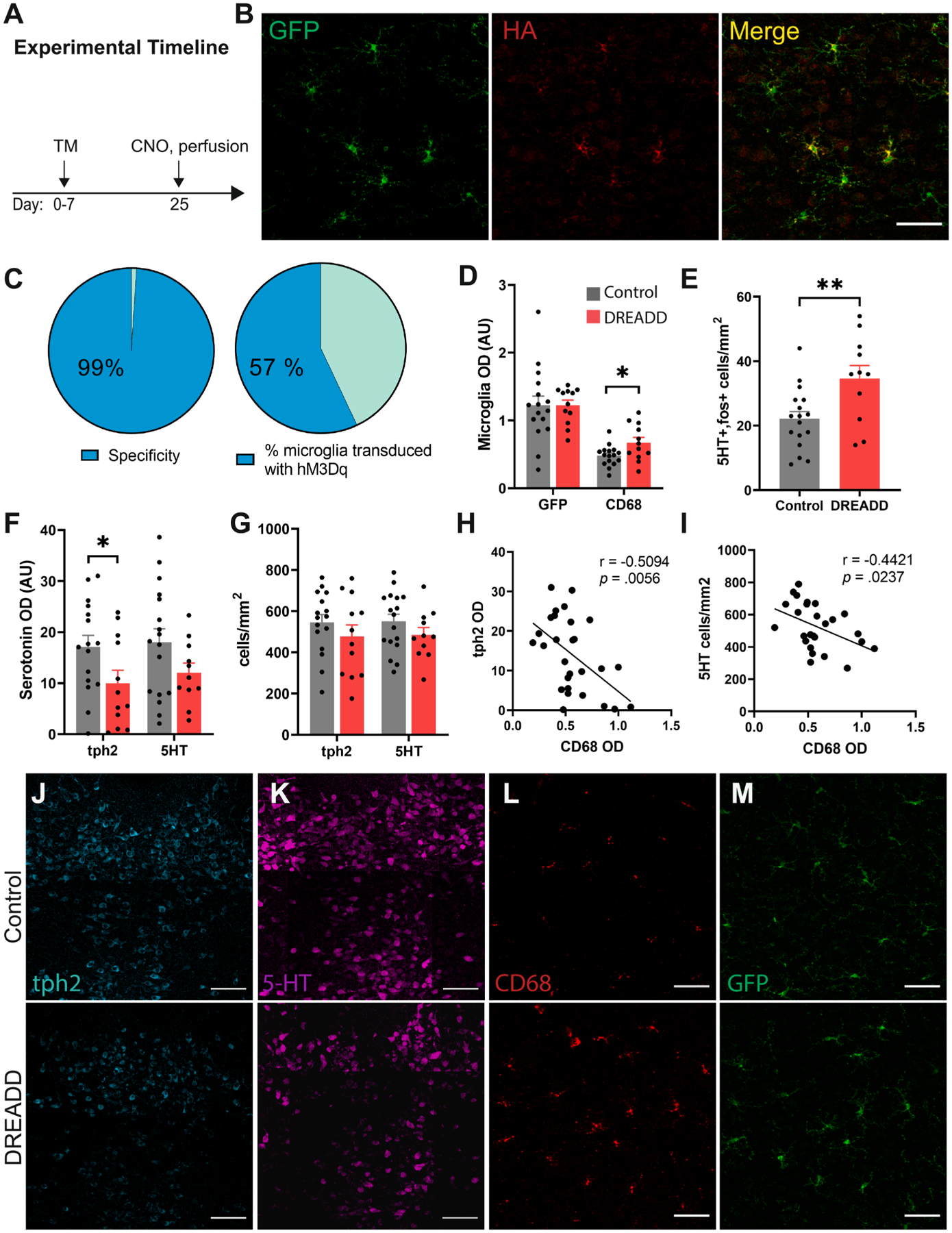
Adolescent alcohol use can permanently alter brain function and lead to poor health outcomes in adulthood. Emerging evidence suggests that alcohol use can predispose individuals to pain disorders or exacerbate existing pain conditions, but the underlying neural mechanisms are currently unknown. Here we report that mice exposed to adolescent intermittent access to ethanol (AIE) exhibit increased pain sensitivity and depressive-like behaviors that persist for several weeks after alcohol cessation and are accompanied by elevated CD68 expression in microglia and reduced numbers of serotonin (5-HT)-expressing neurons in the dorsal raphe nucleus (DRN). 5-HT expression was also reduced in the thalamus, anterior cingulate cortex (ACC) and amygdala as well as the lumbar dorsal horn of the spinal cord. We further demonstrate that chronic minocycline administration after AIE alleviated hyperalgesia and social deficits, while chemogenetic activation of microglia in the DRN of ethanol-naïve mice reproduced the effects of AIE on pain and social behavior. Chemogenetic activation of microglia also reduced tryptophan hydroxylase 2 (Tph2) expression and was negatively correlated with the number of 5-HT-immunoreactive cells in the DRN. Taken together, these results indicate that microglial activation in the DRN may be a primary driver of pain, negative affect, and 5-HT depletion after AIE.
Keywords: Adolescence; Depression; Dorsal raphe; Ethanol; Microglia; Pain; Serotonin.
Copyright © 2022 Elsevier Inc. All rights reserved.
Conflict of interest statement
Declaration of Competing Interest The authors declare that they have no known competing financial interests or personal relationships that could have appeared to influence the work reported in this paper.
Figures
References
Publication types
MeSH terms
Substances
Grants and funding
LinkOut - more resources
Full Text Sources
Molecular Biology Databases
