


The generation of a lactate-rich environment stimulates cell cycle progression and modulates gene expression on neonatal and hiPSC-derived cardiomyocytes
- PMID: 35907761
- PMCID: PMC11061846
- DOI: 10.1016/j.bioadv.2022.213035
The generation of a lactate-rich environment stimulates cell cycle progression and modulates gene expression on neonatal and hiPSC-derived cardiomyocytes
Abstract
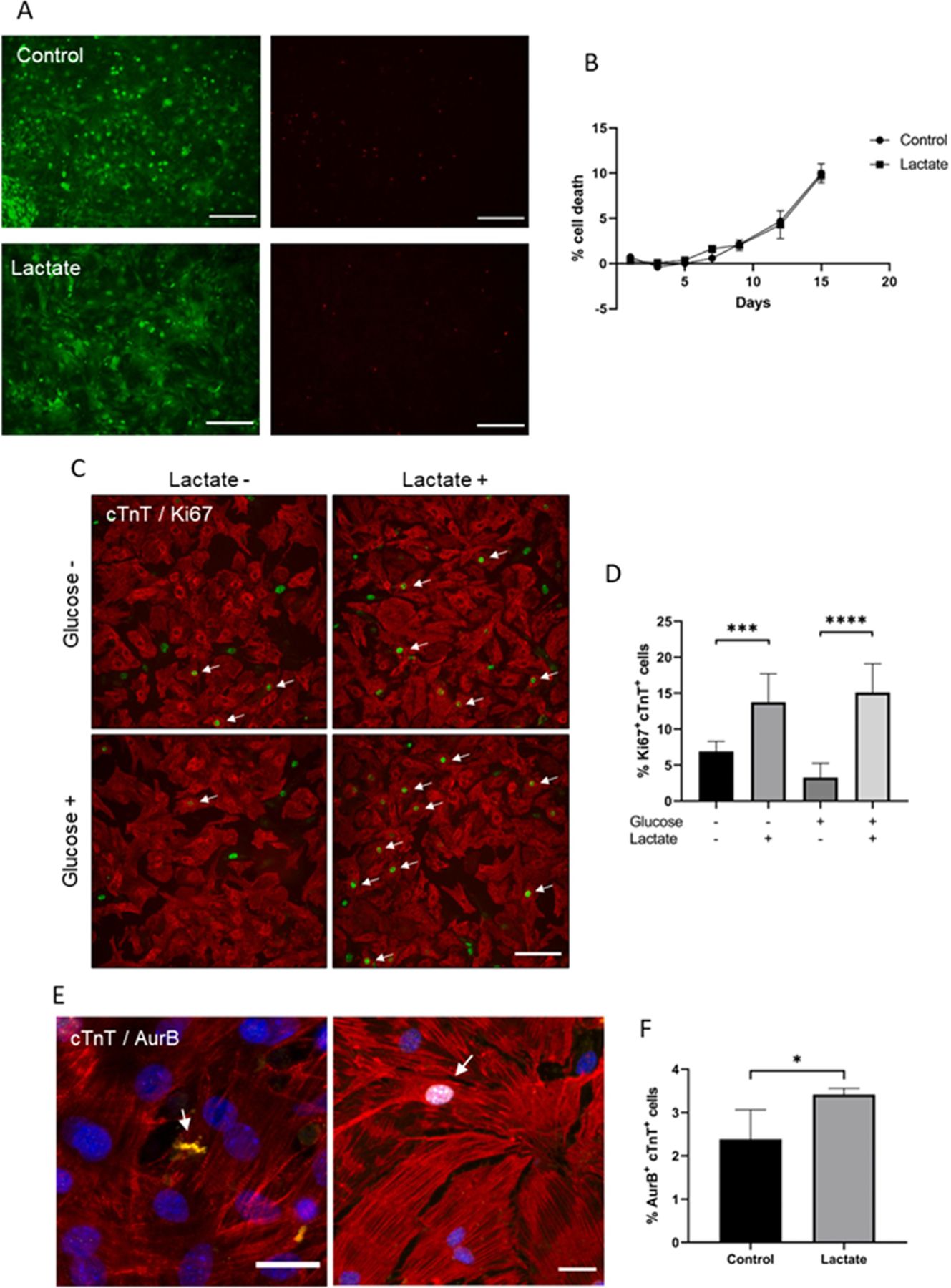
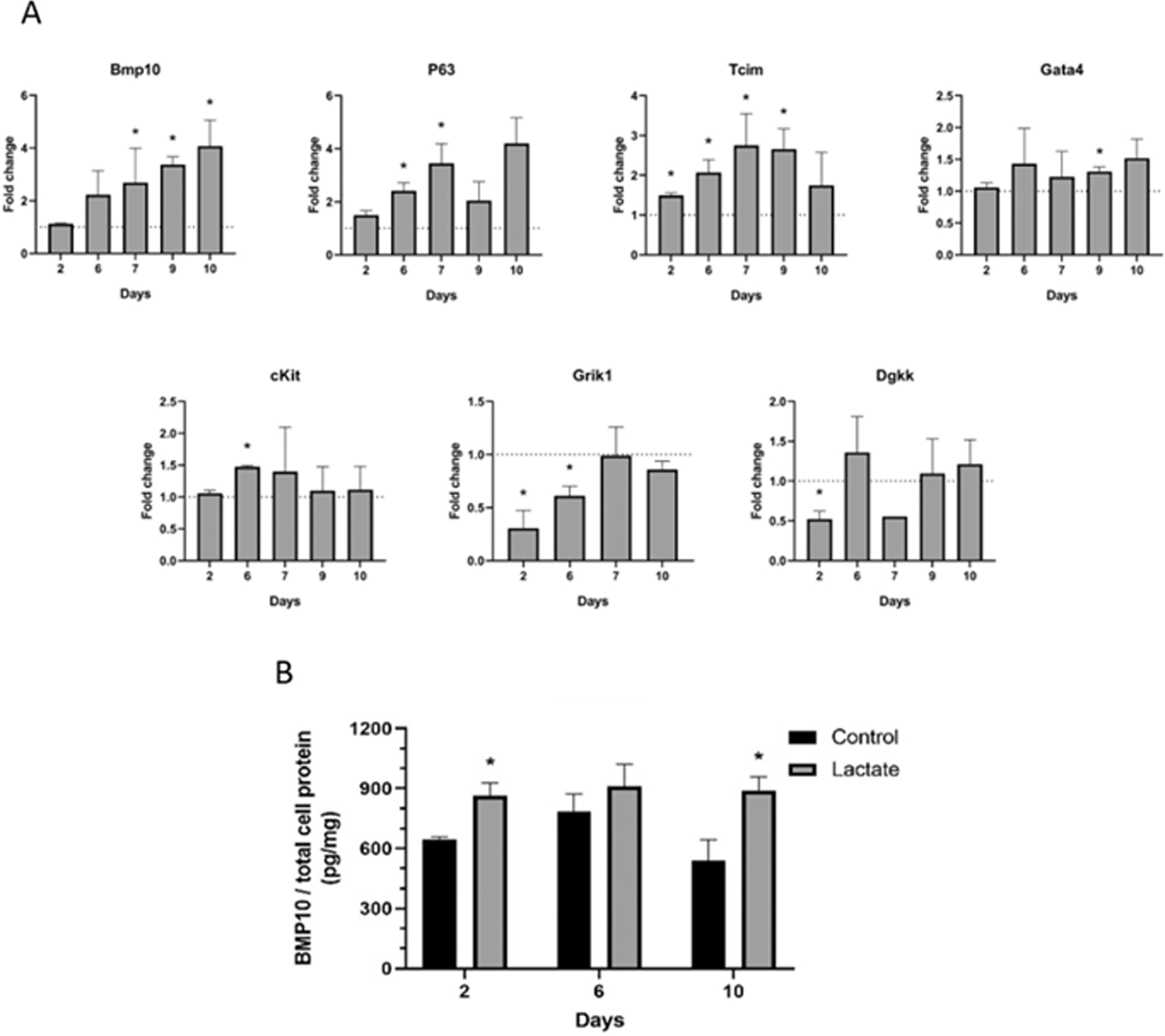
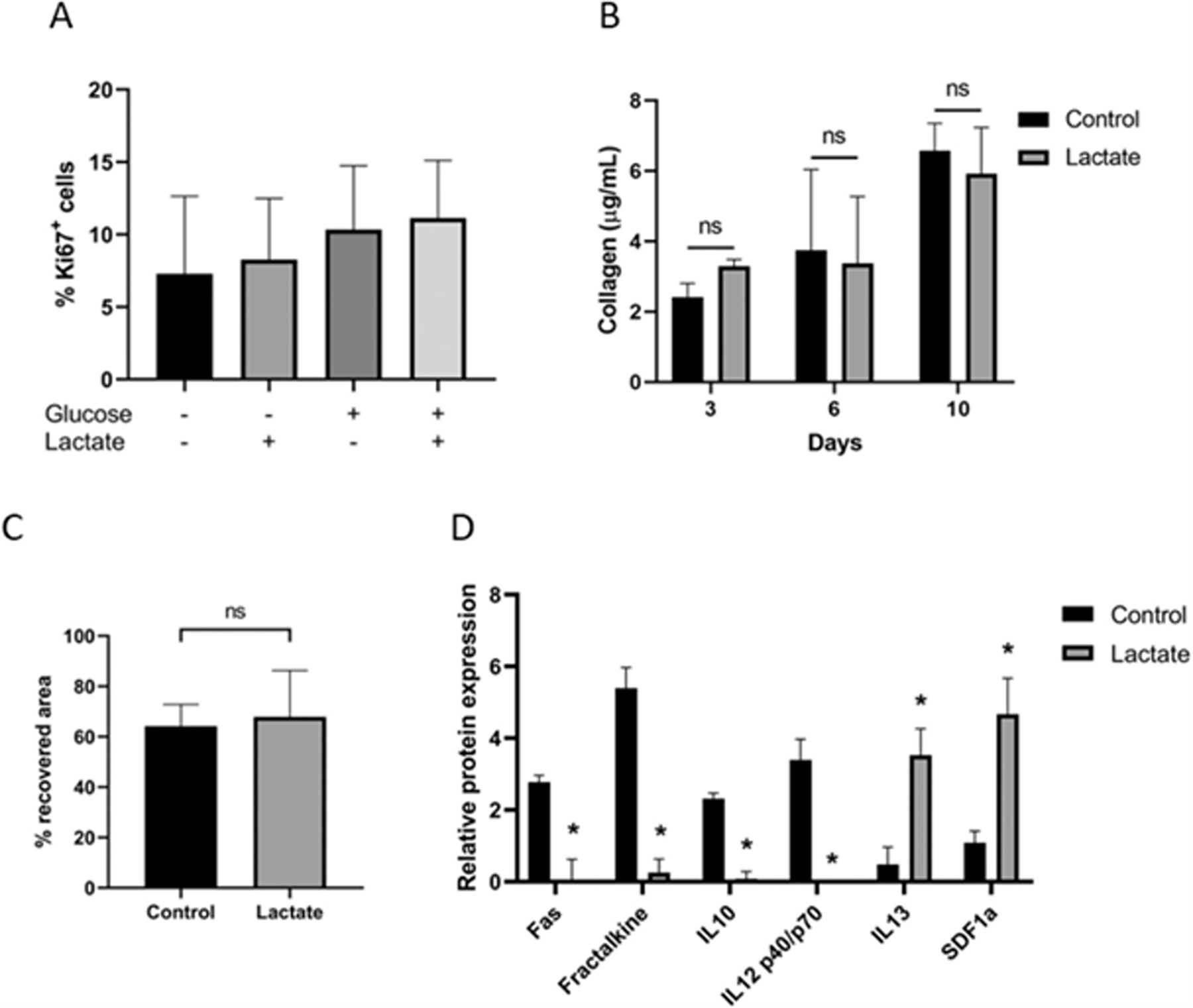
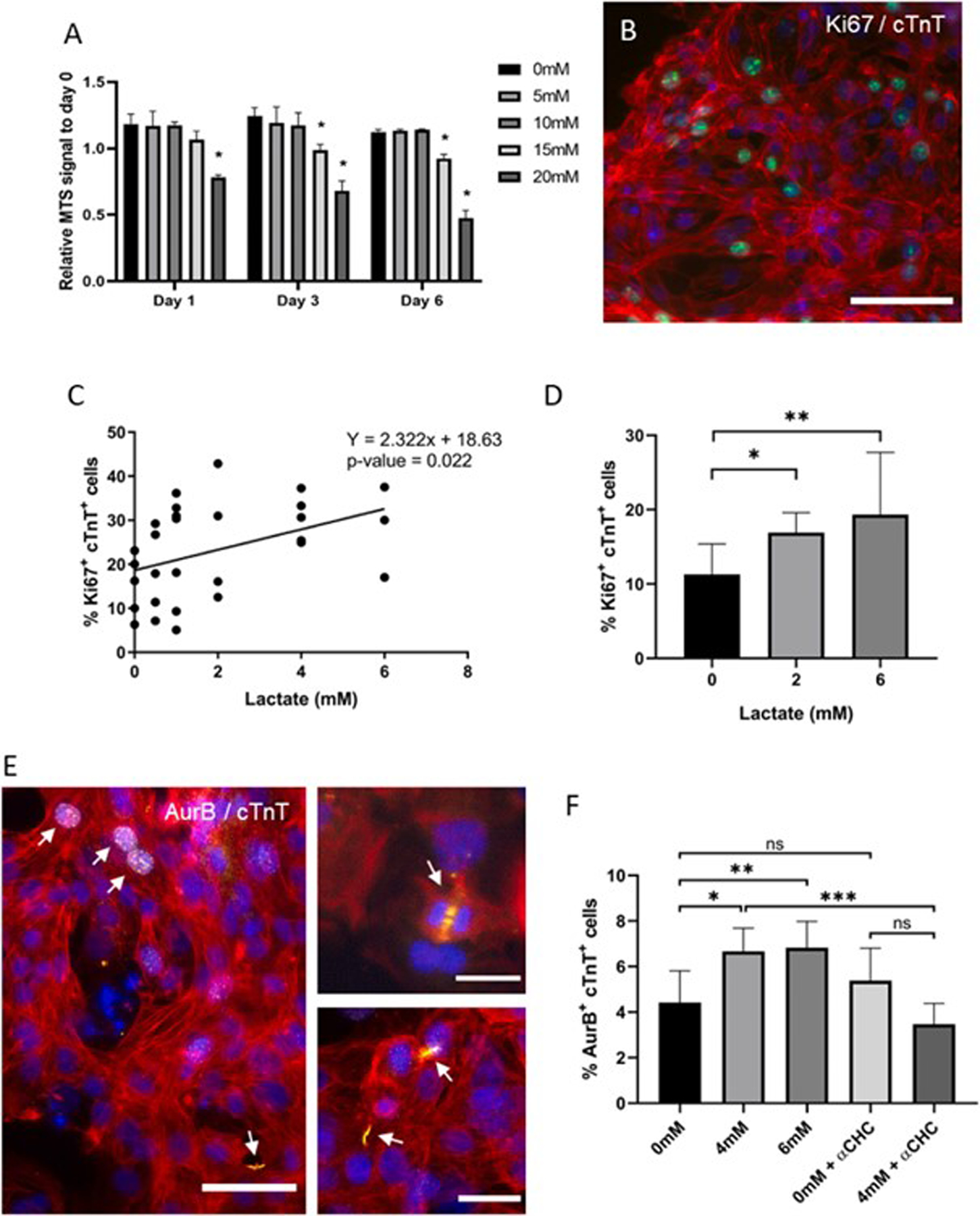
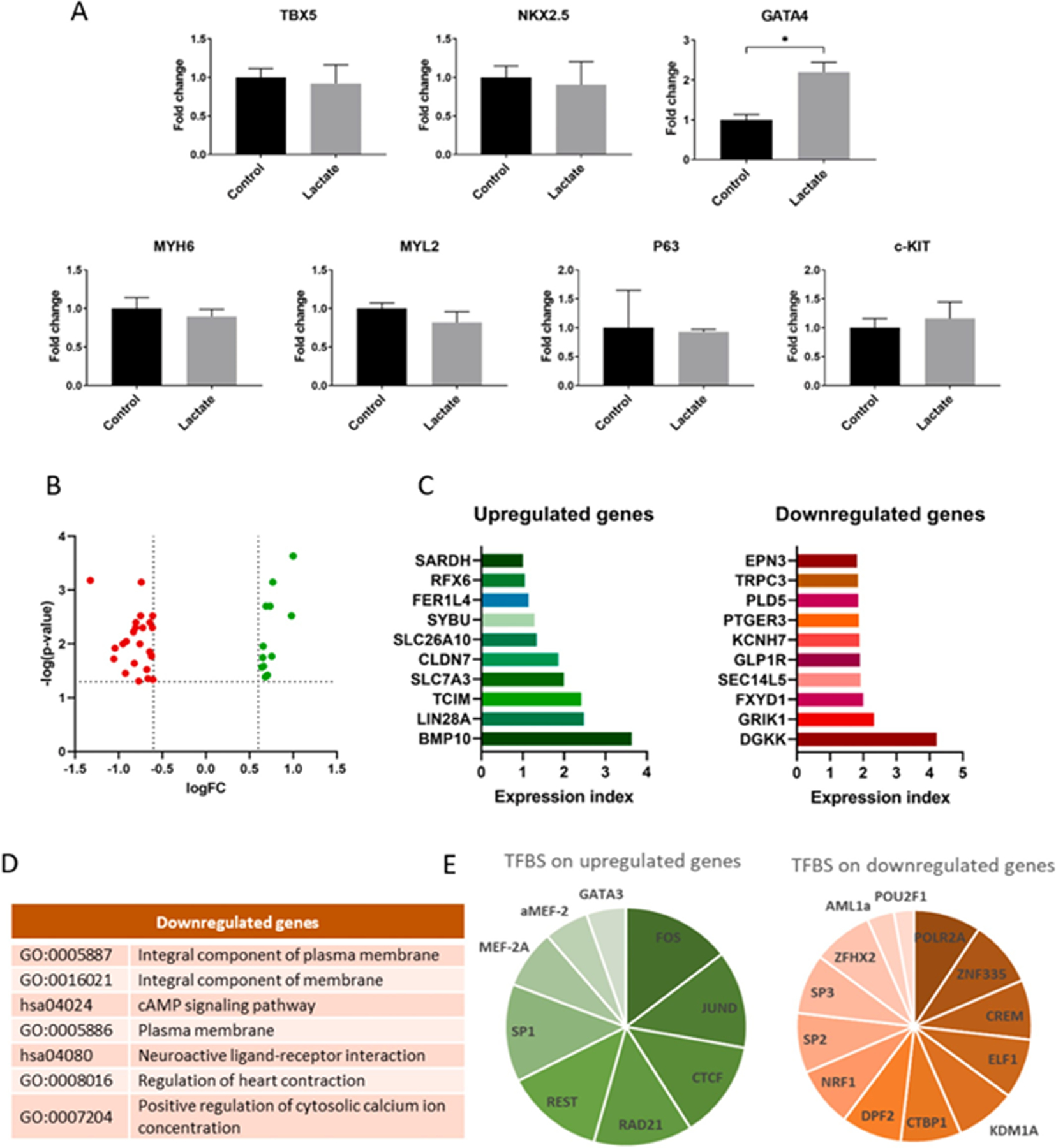
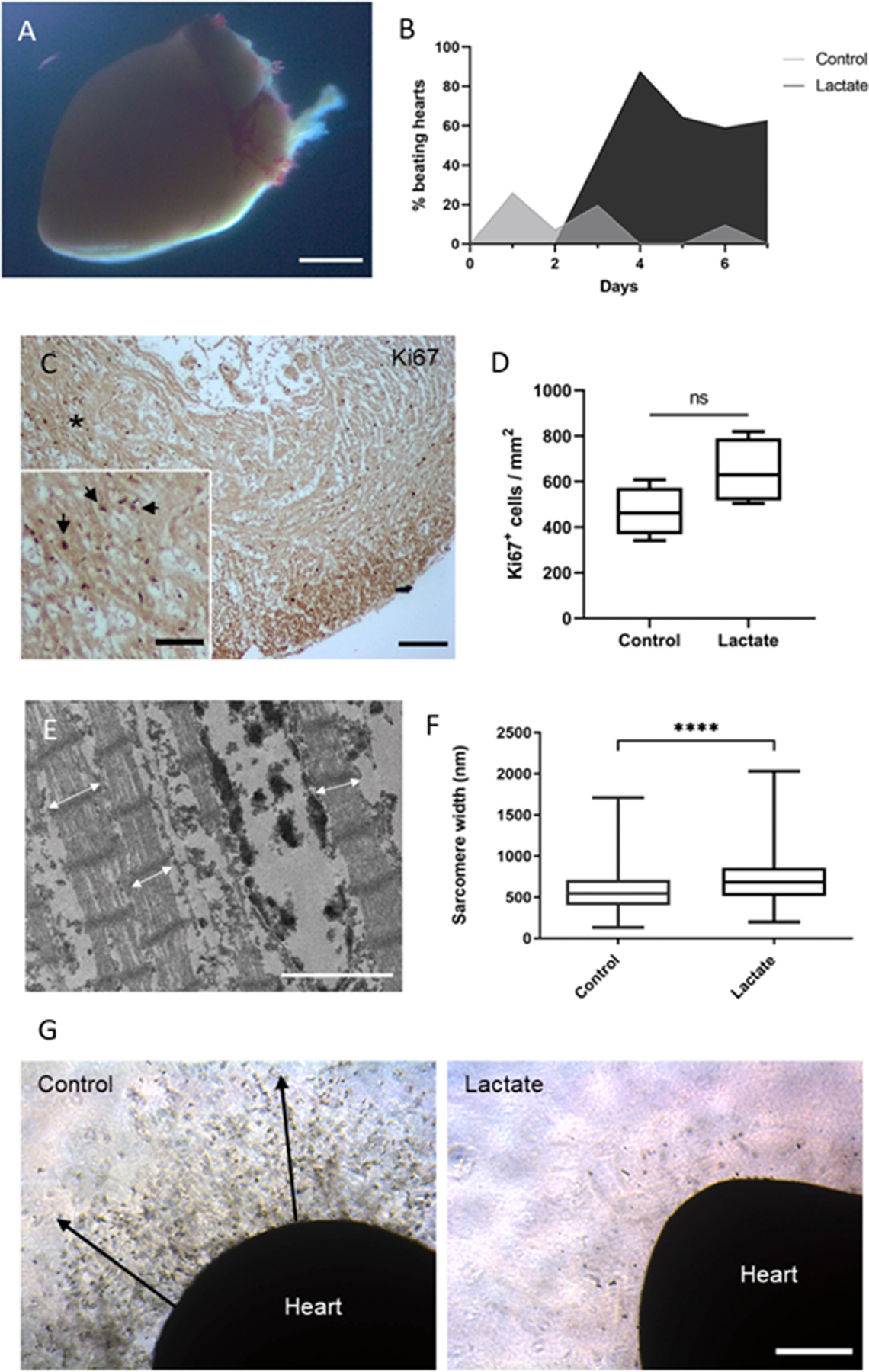
In situ tissue engineering strategies are a promising approach to activate the endogenous regenerative potential of the cardiac tissue helping the heart to heal itself after an injury. However, the current use of complex reprogramming vectors for the activation of reparative pathways challenges the easy translation of these therapies into the clinic. Here, we evaluated the response of mouse neonatal and human induced pluripotent stem cell-derived cardiomyocytes to the presence of exogenous lactate, thus mimicking the metabolic environment of the fetal heart. An increase in cardiomyocyte cell cycle activity was observed in the presence of lactate, as determined through Ki67 and Aurora-B kinase. Gene expression and RNA-sequencing data revealed that cardiomyocytes incubated with lactate showed upregulation of BMP10, LIN28 or TCIM in tandem with downregulation of GRIK1 or DGKK among others. Lactate also demonstrated a capability to modulate the production of inflammatory cytokines on cardiac fibroblasts, reducing the production of Fas, Fraktalkine or IL-12p40, while stimulating IL-13 and SDF1a. In addition, the generation of a lactate-rich environment improved ex vivo neonatal heart culture, by affecting the contractile activity and sarcomeric structures and inhibiting epicardial cell spreading. Our results also suggested a common link between the effect of lactate and the activation of hypoxia signaling pathways. These findings support a novel use of lactate in cardiac tissue engineering, modulating the metabolic environment of the heart and thus paving the way to the development of lactate-releasing platforms for in situ cardiac regeneration.
Keywords: Cardiac tissue engineering; Cardiomyocytes; Cell cycle; Induced pluripotent stem cells; Lactate; Metabolic environment.
Copyright © 2022 The Authors. Published by Elsevier B.V. All rights reserved.
Conflict of interest statement
Declaration of competing interest
The authors declare that they have no known competing financial interests or personal relationships that could have appeared to influence the work reported in this paper.
Figures
References
-
- Mendis S, Puska P, Norrving B, Global atlas on cardiovascular disease prevention and control, World Heal. Organ (2011) 2–14, https://doi.org/NLM classification: WG 120.
-
- Bobi J, Solanes N, Fernández-Jiménez R, Galán-Arriola C, Dantas AP, Fernández-Friera L, Gálvez-Montó C, Rigol-Monzó E, Agüero J, Ramírez J, Roque M, Bayes-Genís A, Sanchez-Gonzalez J, García-Alvarez A, Sabate M, Roura S, Ibanez B, Rigol M, Intracoronary administration of allogeneic adipose tissue-derived mesenchymal stem cells improves myocardial perfusion but not left ventricle function, in a translational model of acute myocardial infarction, J. Am. Heart Assoc 6 (2017), 10.1161/JAHA.117.005771. - DOI - PMC - PubMed
-
- Aguirre A, Montserrat N, Zacchigna S, Nivet E, Hishida T, Krause MN, Kurian L, Ocampo A, Vazquez-Ferrer E, Rodriguez-Esteban C, Kumar S, Moresco JJ, Yates JR, Campistol JM, Sancho-Martinez I, Giacca M, Izpisua Belmonte JC, In vivo activation of a conserved microRNA program induces mammalian heart regeneration, Cell Stem Cell 15 (2014) 589–604, 10.1016/j.stem.2014.10.003. - DOI - PMC - PubMed
-
- Liu B, Lee BW, Nakanishi K, Villasante A, Williamson R, Metz J, Kim J, Kanai M, Bi L, Brown K, Di Paolo G, Homma S, Sims PA, Topkara VK, Vunjak-Novakovic G, Cardiac recovery via extended cell-free delivery of extracellular vesicles secreted by cardiomyocytes derived from induced pluripotent stem cells, Nat. Biomed. Eng 2 (2018) 293–303, 10.1038/s41551-018-0229-7. - DOI - PMC - PubMed
MeSH terms
Substances
Grants and funding
LinkOut - more resources
Full Text Sources
Molecular Biology Databases
Research Materials
Miscellaneous
