


Eruption disturbances in the mixed dentition: orthodontic considerations for primary dental care
- PMID: 35916055
- PMCID: PMC9804924
- DOI: 10.1111/adj.12931
Eruption disturbances in the mixed dentition: orthodontic considerations for primary dental care
Abstract
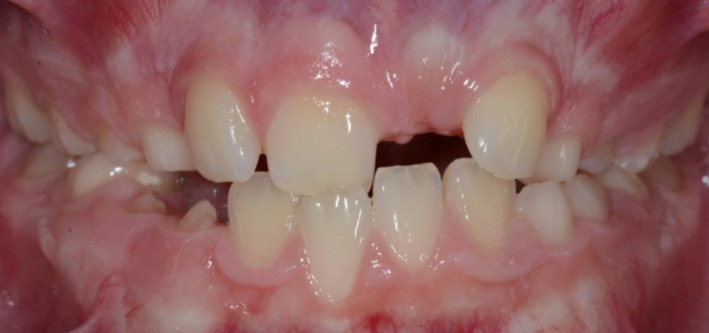
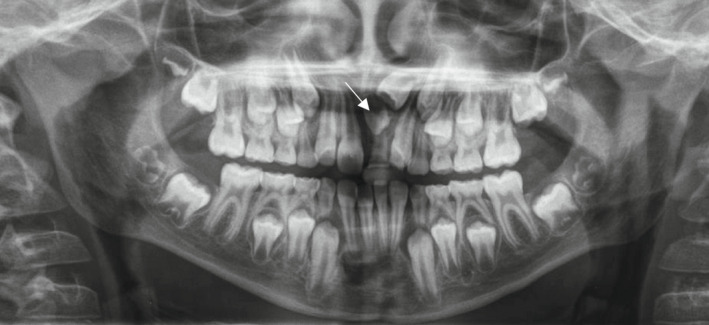
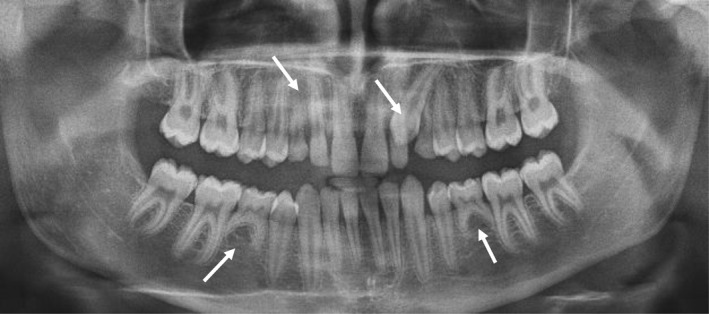
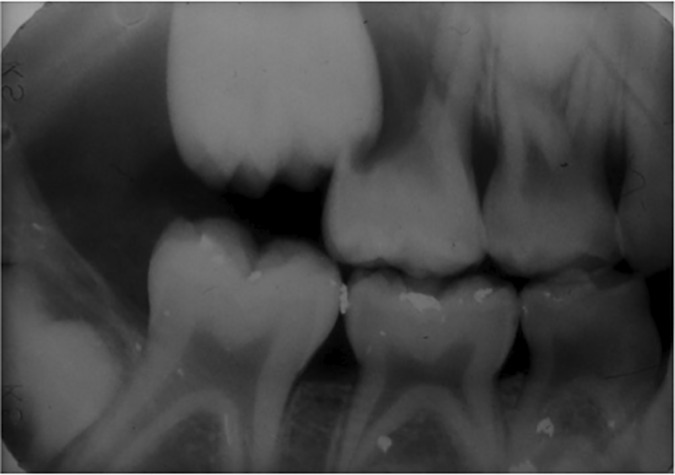
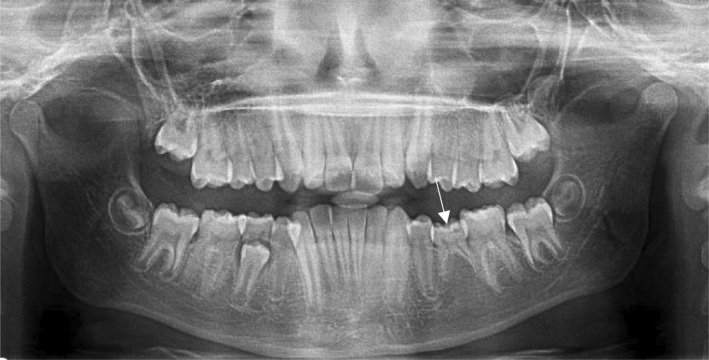
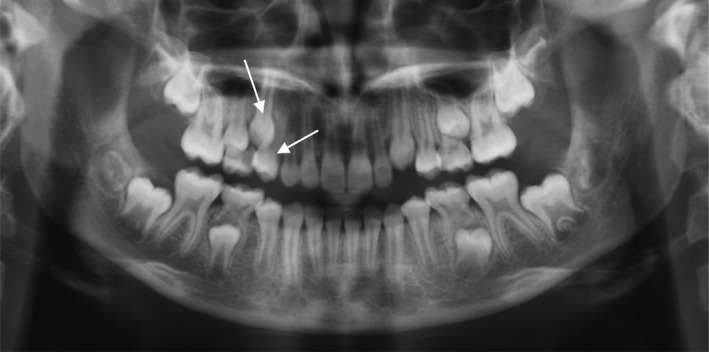
The primary dental care clinician is in a prime position to identify deviations from normal dental development. Disturbances can affect any new erupting tooth. The objective of this narrative review is to describe several situations in which eruption disturbances can arise during the mixed dentition. It will provide an overview of the orthodontic considerations of these disturbances in addition to key summary points on interceptive management, based on the best available evidence.
Keywords: Eruption disturbance; impacted teeth; interceptive orthodontics; malocclusion; mixed dentition.
© 2022 The Authors. Australian Dental Journal published by John Wiley & Sons Australia, Ltd on behalf of Australian Dental Association.
Figures


References
-
- King GJ, Brudvik P. Effectiveness of interceptive orthodontic treatment in reducing malocclusions. Am J Orthod Dentofacial Orthop 2010;137:18–25. - PubMed
-
- Kurol J. Early treatment of tooth‐eruption disturbances. Am J Orthod Dentofacial Orthop 2002;121:588–591. - PubMed
-
- Currell SD, Vaughan M, Dreyer CW. Interceptive orthodontic practices in general dentistry: a cross‐sectional study. Aust Orthod J 2019;35:152–157.
-
- Chiappelli F. Evidence‐based dentistry: two decades and beyond. J Evid Based Dent Pract 2019;19:7–16. - PubMed
-
- Diamanti J, Townsend GC. New standards for permanent tooth emergence in Australian children. Aust Dent J 2003;48:39–42. - PubMed
Publication types
MeSH terms
LinkOut - more resources
Full Text Sources
Medical
