


Inhibitory potential of nitrogen, oxygen and sulfur containing heterocyclic scaffolds against acetylcholinesterase and butyrylcholinesterase
- PMID: 35919585
- PMCID: PMC9275557
- DOI: 10.1039/d2ra03081k
Inhibitory potential of nitrogen, oxygen and sulfur containing heterocyclic scaffolds against acetylcholinesterase and butyrylcholinesterase
Abstract
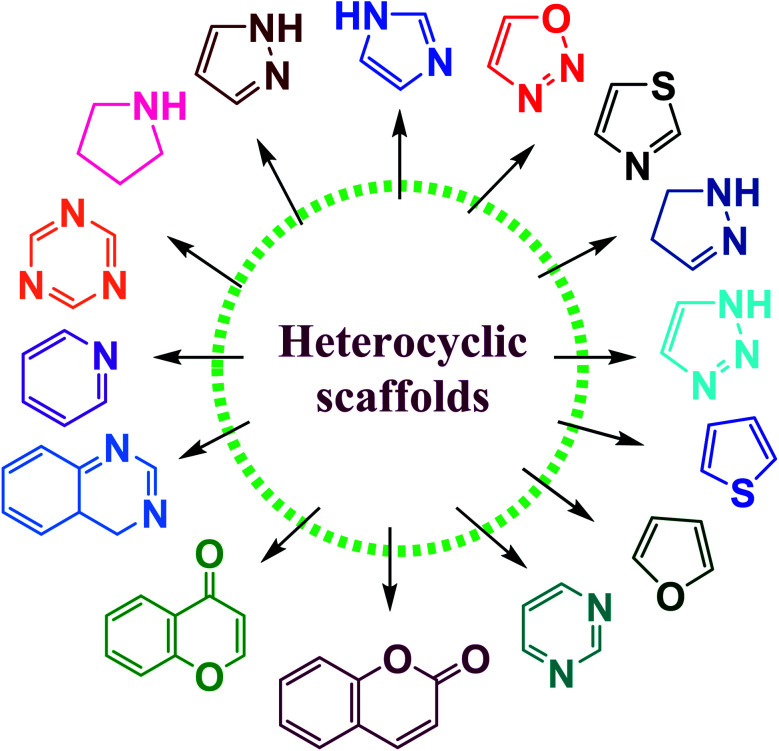
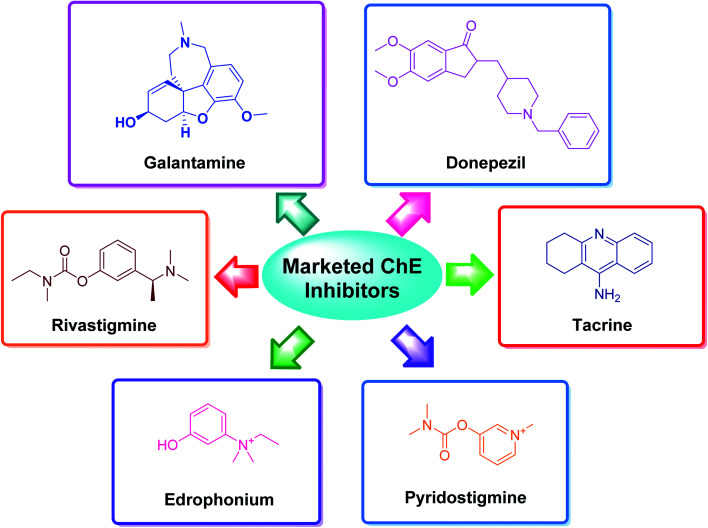
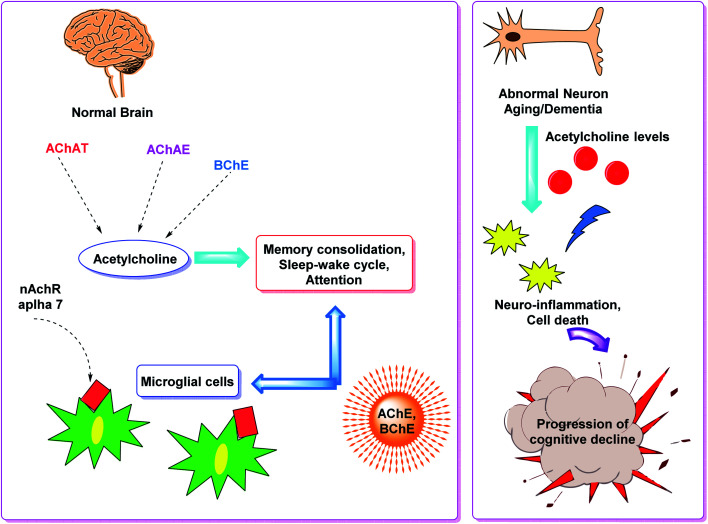
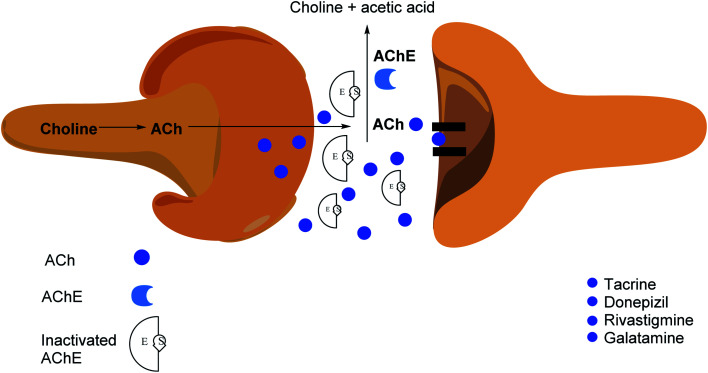
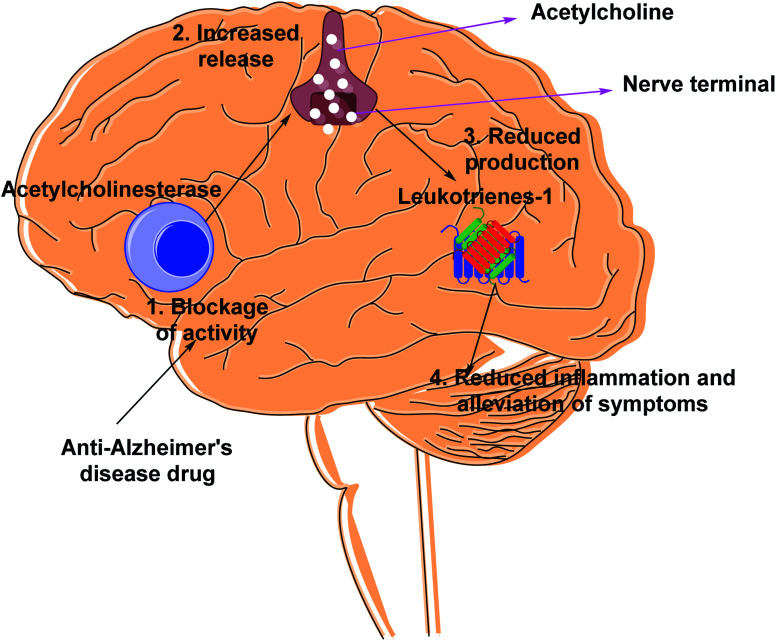
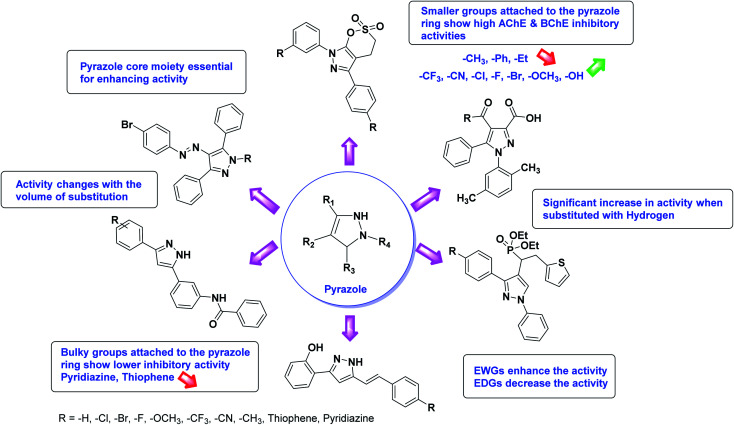
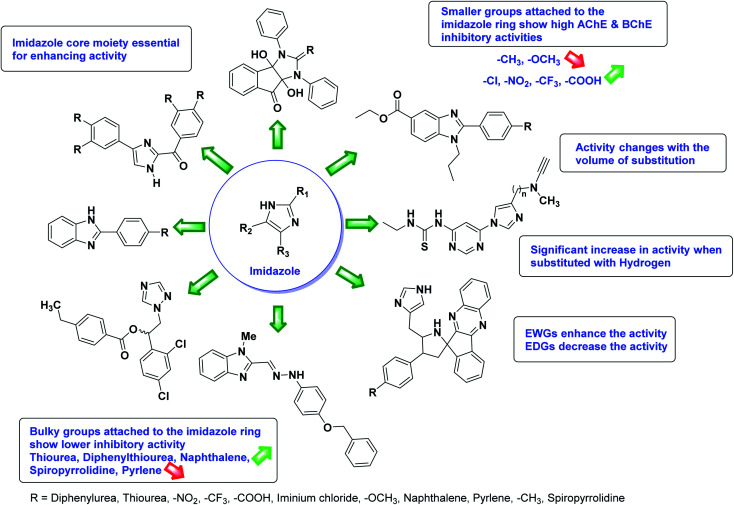
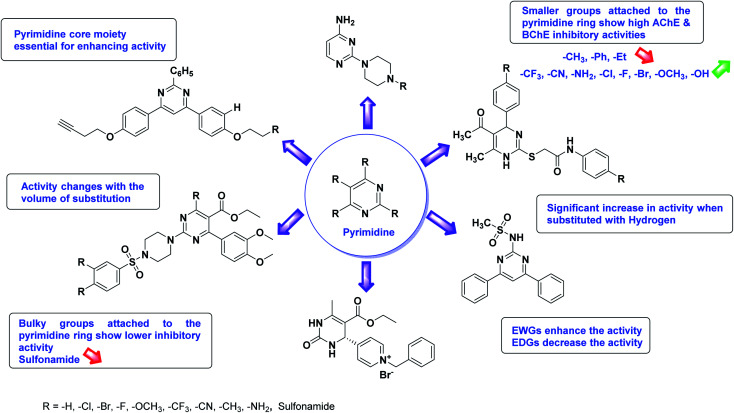
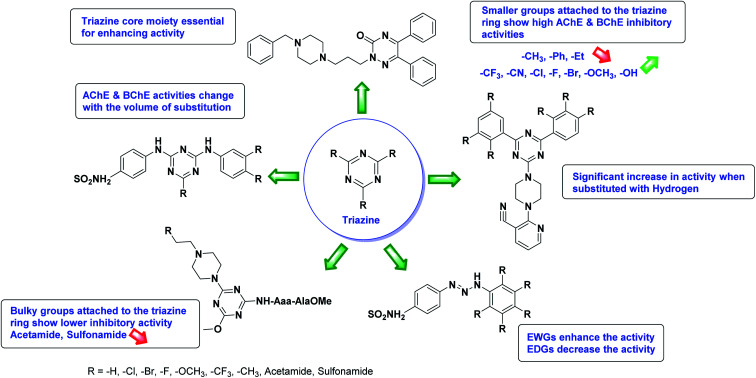
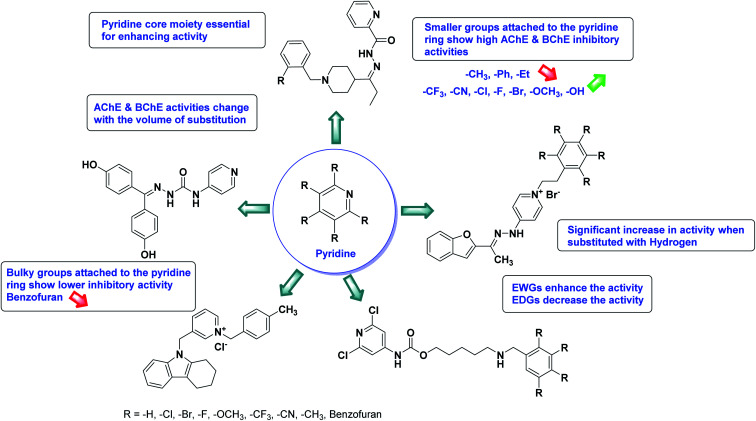
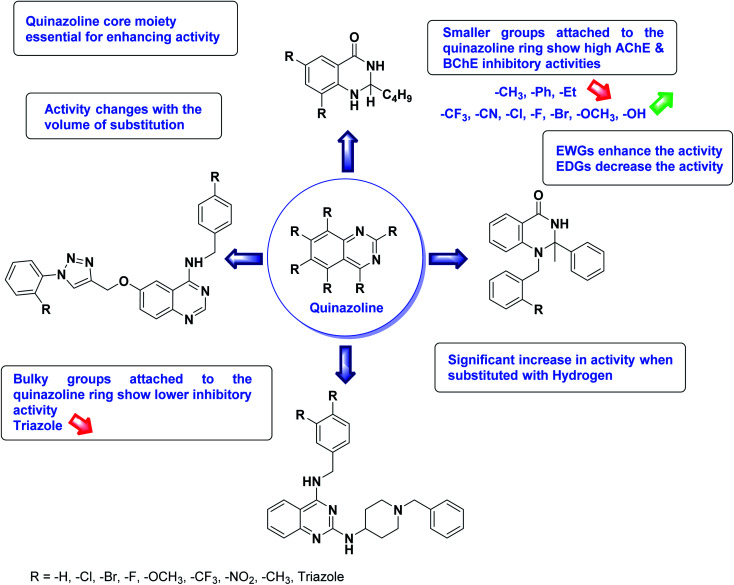
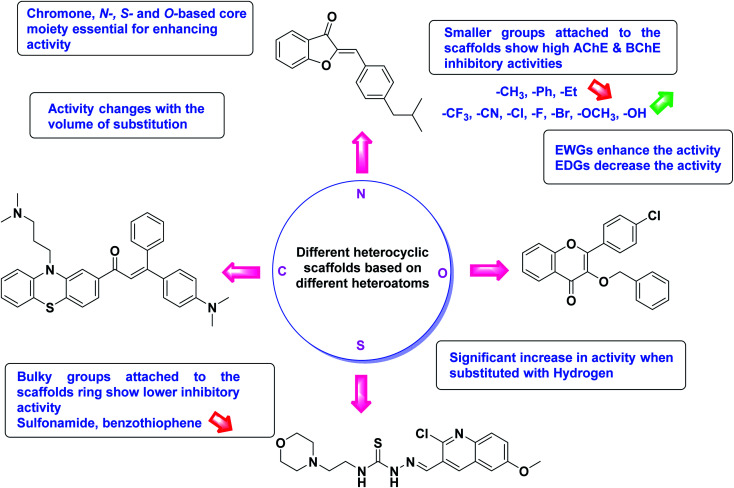
Heterocycles are the key structures in organic chemistry owing to their immense applications in the biological, chemical, and pharmaceutical fields. Heterocyclic compounds perform various noteworthy functions in nature, medication, innovation etc. Most frequently, pure nitrogen heterocycles or various positional combinations of nitrogen, oxygen, and sulfur atoms in five or six-membered rings can be found. Inhibition of acetylcholinesterase (AChE) and butyrylcholinesterase (BChE) enzymes is a popular strategy for the management of numerous mental diseases. In this context, cholinesterase inhibitors are utilized to relieve the symptoms of neurological illnesses like dementia and Alzheimer's disease (AD). The present review focuses on various heterocyclic scaffolds and their role in designing and developing new potential AChE and BChE inhibitors to treat AD. Moreover, a detailed structure-activity relationship (SAR) has been established for the future discovery of novel drugs for the treatment of AD. Most of the heterocyclic motifs have been used in the design of new potent cholinesterase inhibitors. In this regard, this review is an endeavor to summarize the biological and chemical studies over the past decade (2010-2022) describing the pursuit of new N, O and S containing heterocycles which can offer a rich supply of promising AChE and BChE inhibitory activities.
This journal is © The Royal Society of Chemistry.
Conflict of interest statement
There are no conflicts to declare.
Figures


References
-
- Makhova N. N. Belen'kii L. I. Gazieva G. A. Dalinger I. L. Konstantinova L. S. Kuznetsov V. V. Kravchenko A. N. Krayushkin M. M. Rakitin O. A. Starosotnikov A. M. Russ. Chem. Rev. 2020;89:55. doi: 10.1070/RCR4914. - DOI
-
- Joule J. A., Mills K. and Smith G. F., Heterocyclic chemistry, CRC Press, 2020
-
- Soldatenkov A. T., Pozharskii A. F. and Katritzky A. R., Heterocycles in life and society: An introduction to heterocyclic chemistry, biochemistry and applications, John Wiley & Sons, 2011
-
- Eicher T., Hauptmann S. and Speicher A., The chemistry of heterocycles: structures, reactions, synthesis, and applications, John Wiley & Sons, 2013
Publication types
LinkOut - more resources
Full Text Sources
Miscellaneous
