. 2022 Aug 5;377(6606):621-629.
doi: 10.1126/science.abm1638. Epub 2022 Aug 4.

Mitochondrial remodeling and ischemic protection by G protein-coupled receptor 35 agonists

Affiliations

Mitochondrial remodeling and ischemic protection by G protein-coupled receptor 35 agonists

Gregory A Wyant et al. Science. .

Abstract

Kynurenic acid (KynA) is tissue protective in cardiac, cerebral, renal, and retinal ischemia models, but the mechanism is unknown. KynA can bind to multiple receptors, including the aryl hydrocarbon receptor, the a7 nicotinic acetylcholine receptor (a7nAChR), multiple ionotropic glutamate receptors, and the orphan G protein-coupled receptor GPR35. Here, we show that GPR35 activation was necessary and sufficient for ischemic protection by KynA. When bound by KynA, GPR35 activated Gi- and G12/13-coupled signaling and trafficked to the outer mitochondria membrane, where it bound, apparantly indirectly, to ATP synthase inhibitory factor subunit 1 (ATPIF1). Activated GPR35, in an ATPIF1-dependent and pertussis toxin-sensitive manner, induced ATP synthase dimerization, which prevented ATP loss upon ischemia. These findings provide a rationale for the development of specific GPR35 agonists for the treatment of ischemic diseases.


Conflict of interest statement

Competing Interests: W.G.K. has financial interests in Lilly Pharmaceuticals, Fibrogen, Cedilla Therapeutics, IconOvir Bio, Nextech Invest, Tango Therapeutics, LifeMine Therapeutics, Circle Pharma, and Casdin Capital. J. D. M. is a consultant for Cellvie Scientific Inc. The authors declare they have no other competing interests.

Figures

Figure 1:
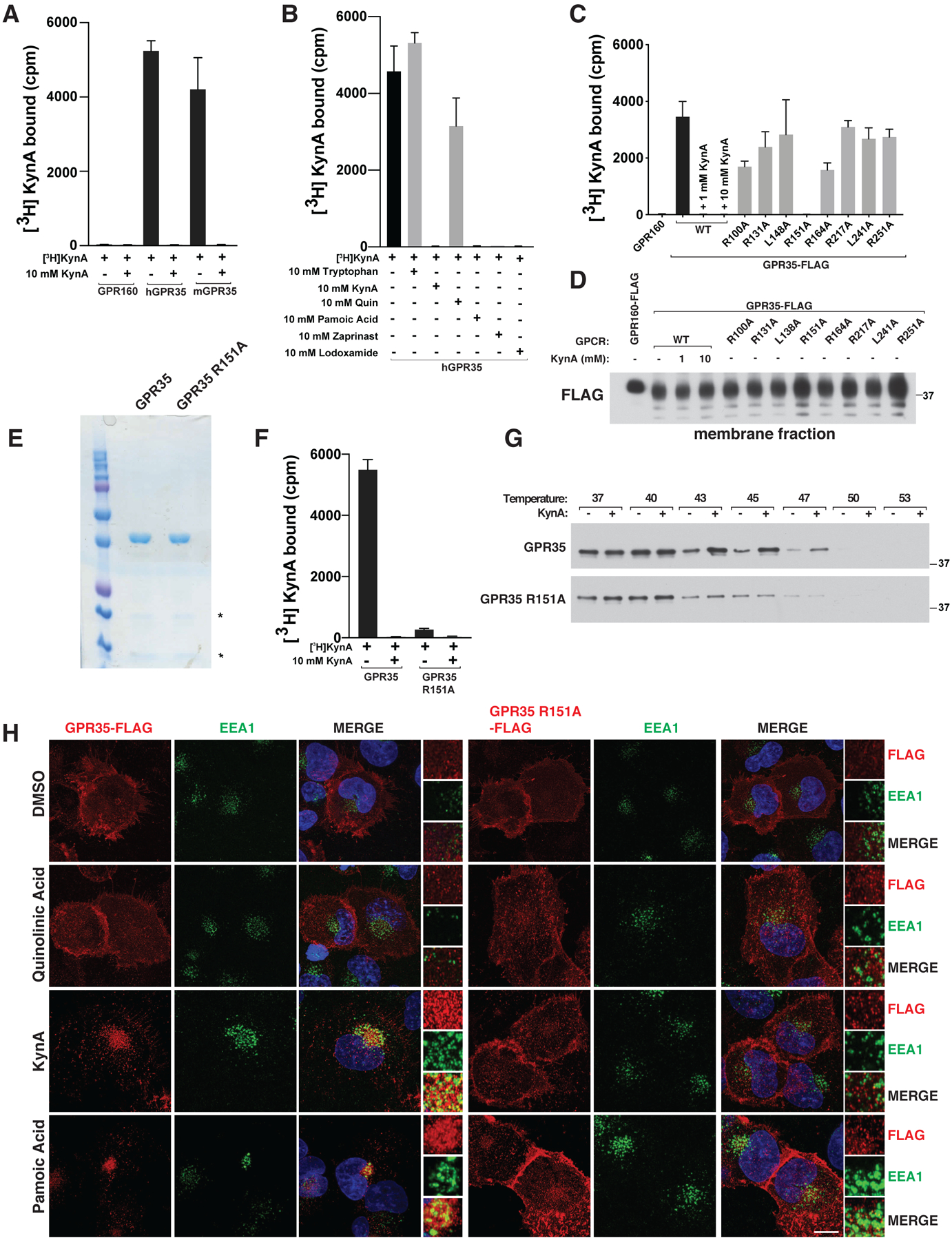
Figure 1:. KynA binds GPR35 and promotes GPR35 internalization.
(A, B and F) [3H]-KynA binding assay using tandem affinity purified versions of the indicated HDL-reconstituted HA-FLAG-tagged GPCRs in the presence or absence of the indicated unlabeled competitor compounds (10 mM). (C and D) [3H]-KynA binding (C) and immunoblot (D) assays of isolated membrane fractions from 293T cells expressing FLAG-GPR160 or FLAG-GPR35 (wild-type or mutant). Where indicated, 1 and 10 mM unlabeled KynA was used as a competitor. (E and G) Commassie blue staining (E) and immunoblot (G) assay of the purified GPCRs used in (F). In (G) the proteins were pre-incubated with 1 mM KynA or DMSO for 1 hr at prior to exposure to the indicated temperature. (H) Confocal microscopy of mouse neonatal cardiomyocytes stably expressing wild-type or R151A GPR35-FLAG stimulated with 20 μM quinolinic acid, 20 μM KynA, or 1 μM pamoic Acid for 20 minutes. Scale bar indicates 20 μm. In (A), (B), (C), and (F), values are means −/+ SDs for three technical replicates from one representative experiment.
Figure 2:
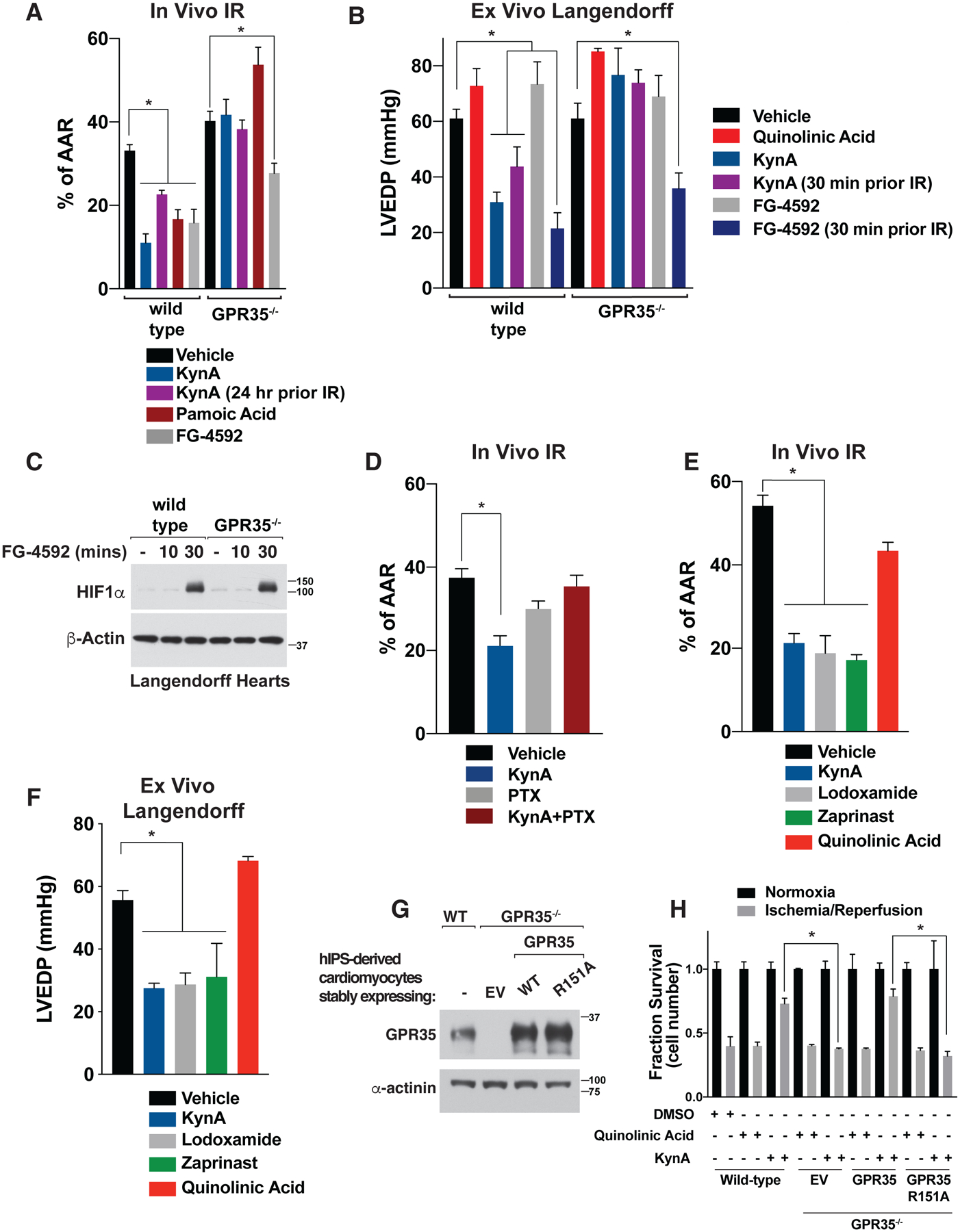
Figure 2:. GPR35 mediates KynA ischemic protection.
(A) Myocardial infarct size after in vivo cardiac ischemia/reperfusion (I/R) injury in wild-type and GPR35−/− mice. Where indicated mice were given 5 mg/kg KynA, 5 mg/kg pamoic acid, 50 mg/kg FG-4592, 5 mg/kg quinolinic acid, or vehicle by intraperitoneal injection 2 hours (or 24 hours where indicated) prior to ischemia. N=5 per group. (B) LVEDP in Langendorff assays after global I/R injury in wild-type and GPR35−/− mice. Where indicated the hearts were infused with 500 nM KynA, 100 μM FG-4592, or 500 nM quinolinic acid, or vehicle for 10 minutes (or 30 minute where indicated) prior to ischemia. N=4 per group. (C) Immunoblot analysis of lysates from Langendorff hearts perfused with 100 μM FG-4592 for the indicated times. (D) Myocardial infarct size after in vivo cardiac ischemia/reperfusion (I/R) injury in wild-type mice treated with 5 mg/kg KynA, 10 μg/kg pertussis toxin (PTX), both, or vehicle by intraperitoneal injection. Animals were treated with KynA or vehicle 2 hours before the onset of ischemia, while PTX was treated 24 hours prior to ischemia. N=4 per group (E) Myocardial infarct size after in vivo cardiac ischemia/reperfusion (I/R) injury in wild-type mice given GPR35 agonists. Where indicated, mice were given 5 mg/kg KynA, 5 mg/kg lodoxamide, 5 mg/kg zaprinast, 5 mg/kg quinolinic Acid, or vehicle by intraperitoneal injection 2 hours before the onset of ischemia. N=4 per group. (F) LVEDP in Langendorff assays after global I/R injury. Where indicated the hearts were infused with 500 nM KynA, 1 μM lodoxamide, 1 μM zaprinast, 500 nM quinolinic acid or vehicle for 10 minutes prior to ischemia. N=4 per group (G) Immunoblot of wild-type or GPR35−/− human IPS-derived cardiomyocytes stably expressing wild-type or R151A GPR35. (H) Fractional survival after simulated I/R injury ex vivo of human IPS-derived cardiomyocytes modified as in (G). Cell were pretreated with 20 μM KynA, 20 μM quinolinic acid, or DMSO for 1 hr prior to I/R. Shown are mean −/+SD. * indicates P value <0.05.
Figure 3:
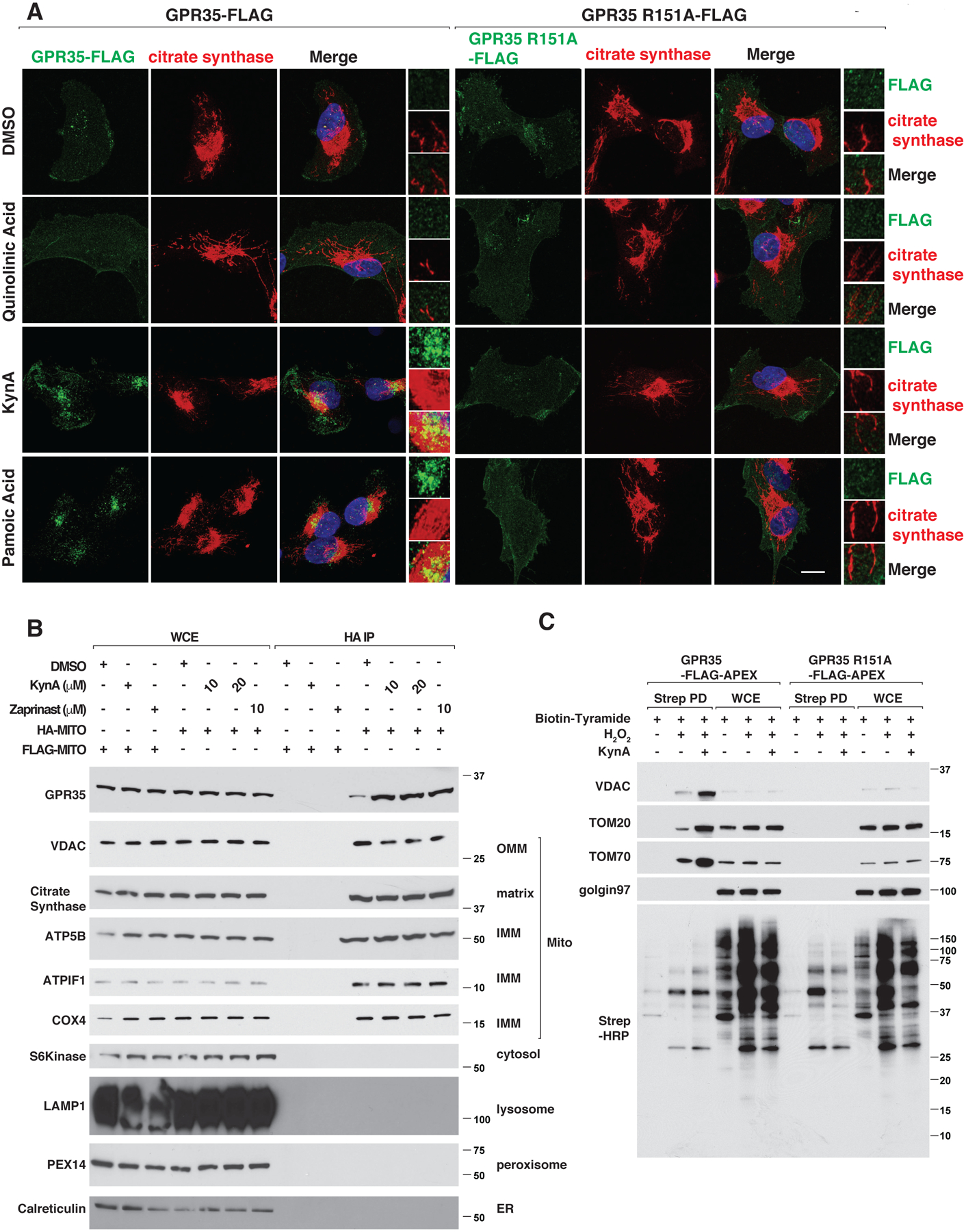
Figure 3:. KynA promotes GPR35 association with mitochondria.
(A) Confocal microscopy of GPR35−/− mouse neonatal cardiomyocytes stably expressing FLAG-tagged wild-type or R151A GPR35 that were treated with 20 μM quinolinic acid, 20 μM KynA, 1 μM pamoic acid or DMSO for 20 mins. Scale bar indicates 20 μm. (B) Immunoblot analysis of whole cell extracts (WCE) or mitochondria that were rapidly immunopurified with an anti-HA antibody (HA-IP) from 293T cells engineered to contain HA-tagged mitochondria (HA-MITO) or, as a control, FLAG-tagged mitochondria (FLAG-MITO). Where indicated the cells were pretreated with 20 μM KynA or 10 μM zaprinast for 20 mins prior to analysis. (C) GPR35−/− mouse cardiomyocytes stably expressing FLAG-APEX-tagged wild-type or R151A GPR35 were treated with Biotin-Tryamide for 30 min and, where indicated, with 20 μM KynA for 20 min and H2O2 for 1 min (to enable biotinylation). Cell lysates (WCE) and biotinylated proteins captured on streptavidin agarose (Strep PD) were resolved by SDS-PAGE, transferred to nitrocellulose, and immunoblotted with antibodies against the indicated proteins or probed with horseradish peroxidase-conjugated streptavidin (Strep-HRP).
Figure 4:
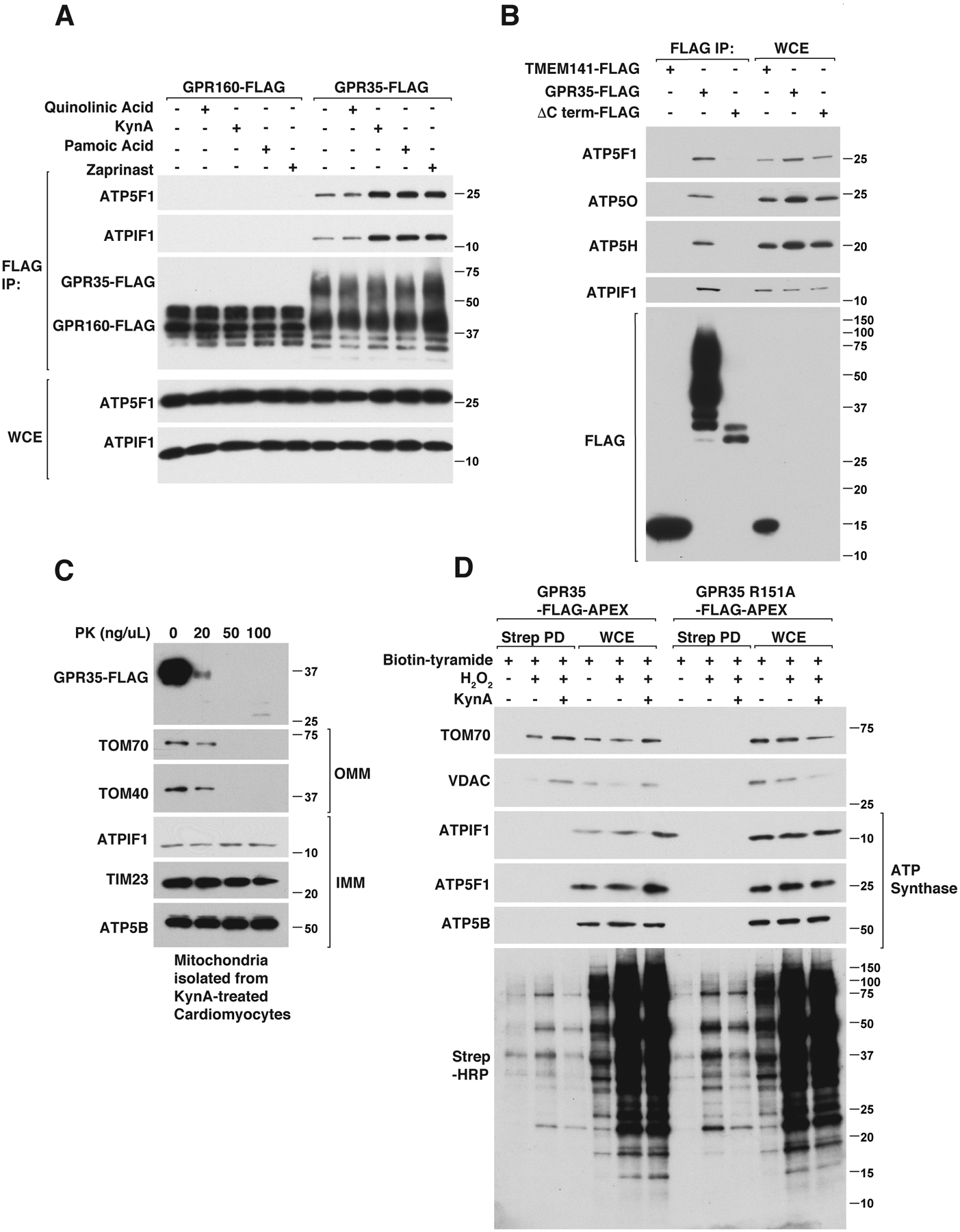
Figure 4:. KynA promotes GPR35-ATPIF1-ATP Synthase interaction.
(A) Immunoblot analysis of anti-FLAG immunoprecipitates (FLAG IP) and whole cell extracts (WCE) from mouse neonatal GPR35−/− cardiomyocytes stably expressing GPR160-FLAG or GPR35-FLAG that were treated with 20 μM quinolinic acid, 20 μM KynA, 1 μM pamoic acid, 10 μM zaprinast or DMSO for 20 mins. (B) Immunoblot analysis of anti-FLAG immunoprecipitates from human AC16 cardiomyocytes stably expressing TMEM141-FLAG, GPR35 (wild-type)-FLAG or GPR35 (ΔC-terminus)-FLAG. (C) Immunoblot analysis of mitochondria isolated from mouse neonatal cardiomyocytes stably expressing GPR35-FLAG that were treated with 20 μM KynA for 20 mins. The isolated mitochrondria were incubated with increasing concentrations of proteinase K (PK) for 30 mins. (D) GPR35−/− mouse neonatal cardiomyocytes stably expressing FLAG-APEX-tagged wild-type or R151A GPR35 were treated with Biotin-Tryamide for 30 min and, where indicated, with 20 μM KynA for 20 min and H2O2 for 1 min (to enable biotinylation). Cell lysates (WCE) and biotinylated proteins captured on streptavidin agarose (STREP PD) were resolved by SDS-PAGE, transferred to nitrocellulose, and immunoblotted with antibodies against the indicated proteins or probed with horseradish peroxidase-conjugated streptavidin (Strep-HRP).
Figure 5:
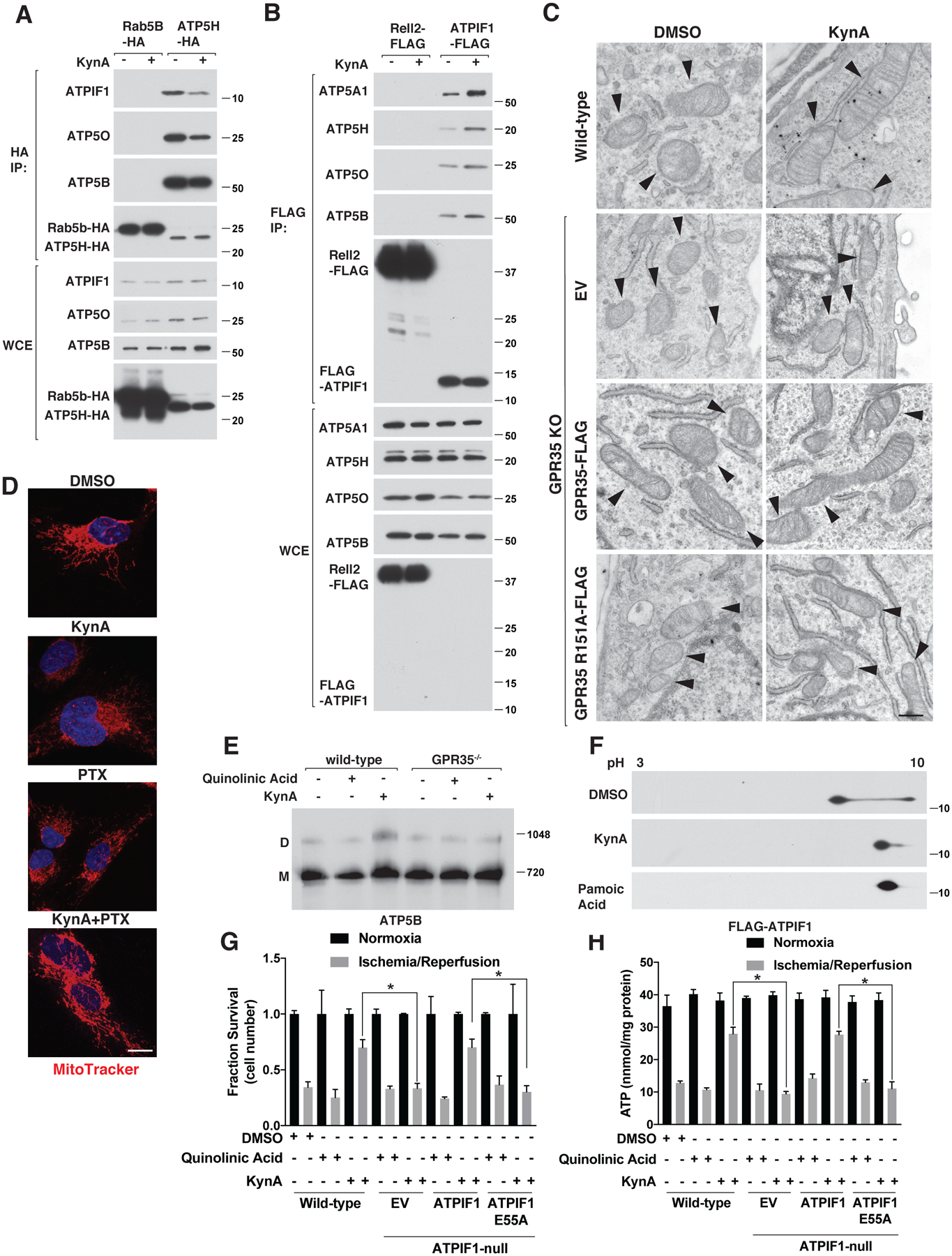
Figure 5:. KynA promotes ATP synthase dimerization and ATPIF1 is required for KynA-induced ischemic protection.
(A) Immunoblot analysis of anti-HA immunoprecipitates (HA-IP) and whole cell extracts (WCE) from mouse neonatal cardiomyocytes stably expressing Rab5B-HA or ATP5H-HA that were or were not treated with 20 μM KynA for 20 mins. (B) Immunoblot analysis of anti-FLAG immunoprecipites (FLAG-IP) and whole cell extracts (WCE) from mouse neonatal cardiomyocytes stably expressing Rell2-FLAG or FLAG-ATPIF1 that were or were not treated with 20 μM KynA for 20 mins. (C) Electron micrographs of wild-type and GPR35 −/− cardiomyocytes stably expressing GPR35-FLAG, R151A GPR35-FLAG, or empty vector (EV) that were treated with 20 μM KynA or DMSO for 20 mins. Arrowheads indicate mitochondria. Scale bar indicates 500 nm. (D) Live cell fluorescence imaging of mouse neonatal cardiomyocytes treated with 20 μM KynA, 200 ng/mL pertussis toxin (PTX), or both prior to staining with 100 nM Mitotracker FM. Scale bar indicates 20 μm. (E) Blue-native page analysis of mitochondria isolated from mouse neonatal cardiomyocytes treated with 20 μM quinolinic acid, 20 μM KynA, or DMSO for 20 mins. (F) Anti-Flag immunoblot analysis after two-dimensional gel-electrophoresis of cell extracts made from mouse neonatal cardiomyocytes stably expressing FLAG-ATPIF1 that were treated with 20 μM KynA, 1 μM pamoic acid, or DMSO for 20 mins. (G and H) Fractional survival (G) and ATP levels (H) of wild-type and ATPIF1−/− human IPS-derived cardiomyocytes stably expressing wild-type or E55A ATPIF1, or the empty vector (EV), that were pretreated with 20 μM KynA, 20 μM quinolinic acid or DMSO for 1 hr prior simulated I/R ex vivo. Shown are mean −/+SD. * indicates P value <0.05.

Comment in

References

    1. Olenchock BA et al. , EGLN1 Inhibition and Rerouting of alpha-Ketoglutarate Suffice for Remote Ischemic Protection. Cell 164, 884–895 (2016) - PMC - PubMed
    1. Murry CE, Jennings RB, Reimer KA, Preconditioning with ischemia: a delay of lethal cell injury in ischemic myocardium. Circulation 74, 1124–1136 (1986). - PubMed
    1. Zheng X et al. , Kynurenine 3-monooxygenase is a critical regulator of renal ischemia-reperfusion injury. Exp Mol Med 51, 1–14 (2019). - PMC - PubMed
    1. Gellert L et al. , Neuroprotection with a new kynurenic acid analog in the four-vessel occlusion model of ischemia. Eur J Pharmacol 667, 182–187 (2011). - PubMed
    1. Nahomi RB et al. , Kynurenic Acid Protects Against Ischemia/Reperfusion-Induced Retinal Ganglion Cell Death in Mice. Int J Mol Sci 21, (2020). - PMC - PubMed

MeSH terms