


Quality of life and its correlated factors among patients with substance use disorders: a systematic review and meta-analysis
- PMID: 35927697
- PMCID: PMC9351239
- DOI: 10.1186/s13690-022-00940-0
Quality of life and its correlated factors among patients with substance use disorders: a systematic review and meta-analysis
Abstract
Background: Patients with substance use disorder (SUD) usually report lower quality of life (QoL) than other patients and as much as patients with other mental disorders. The present study investigated variables associated with QoL domains among patients with SUD.
Methods: Studies in English published before December 1st 2021, were searched for on PubMed, Scopus, Cochrane, and Web of Science to identify primary studies on factors associated with QoL domains among patients with SUD. After reviewing for study duplicates, the full-texts of selected papers were assessed for eligibility using PECO (Participants, Exposures, Comparison and Outcome) criteria: (a) participants: patients with SUD; (b) exposures: sociodemographic factors, clinical, and service use variables; (c) comparison: patient groups without SUD; and (d) outcomes: four domains of QoL (physical, mental, social, and environmental domains). Three researchers recorded the data independently using predefined Excel spreadsheets. The Newcastle-Ottawa Scale (NOS) was used for assessing risk of bias and rated each study in terms of exposure, outcome, and comparability. Pooled odds ratios (ORs) and β coefficient were utilized at a 95% confidence level, and because sampling methods differed between studies' pooled estimates, a random effects model was utilized.
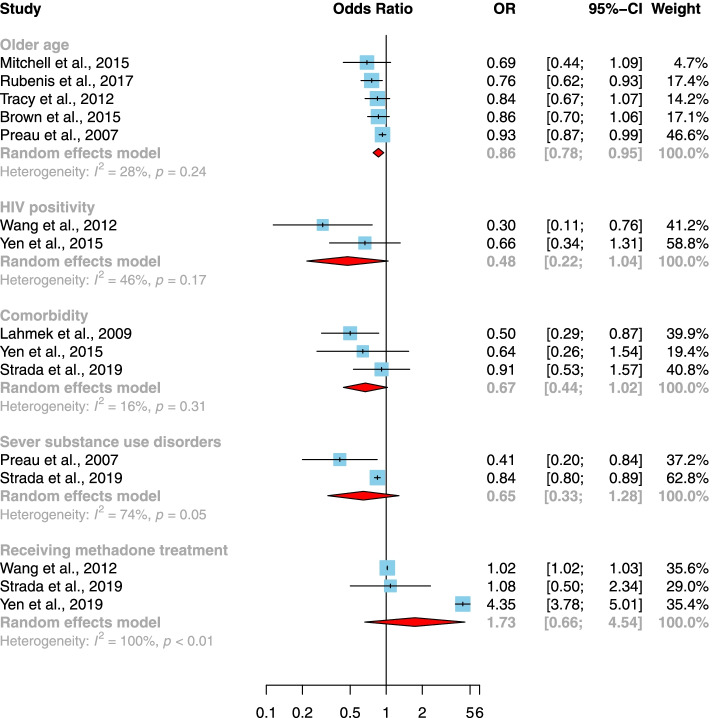
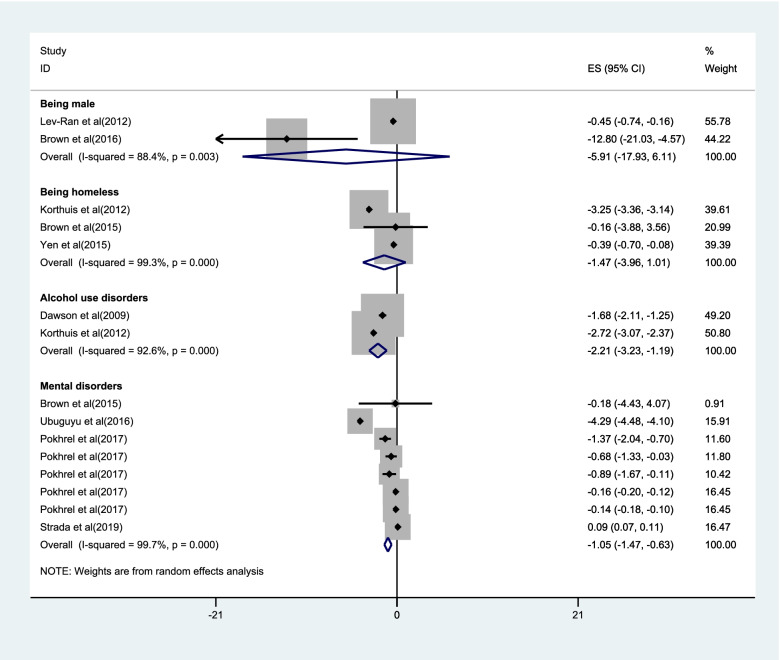
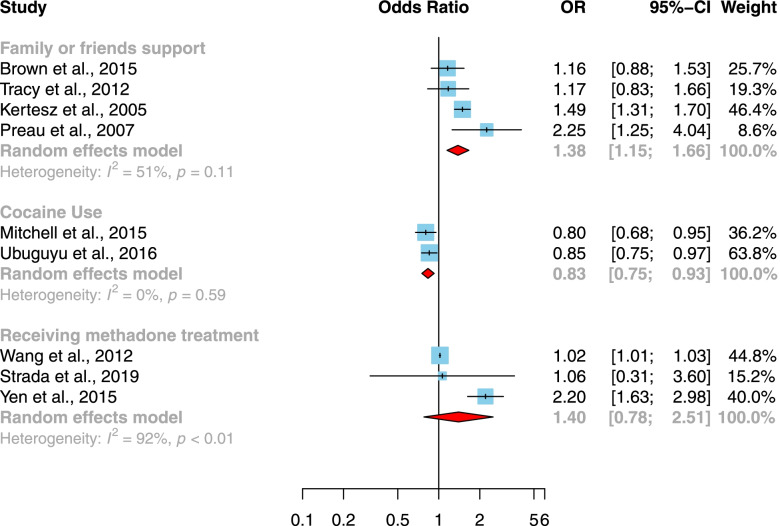
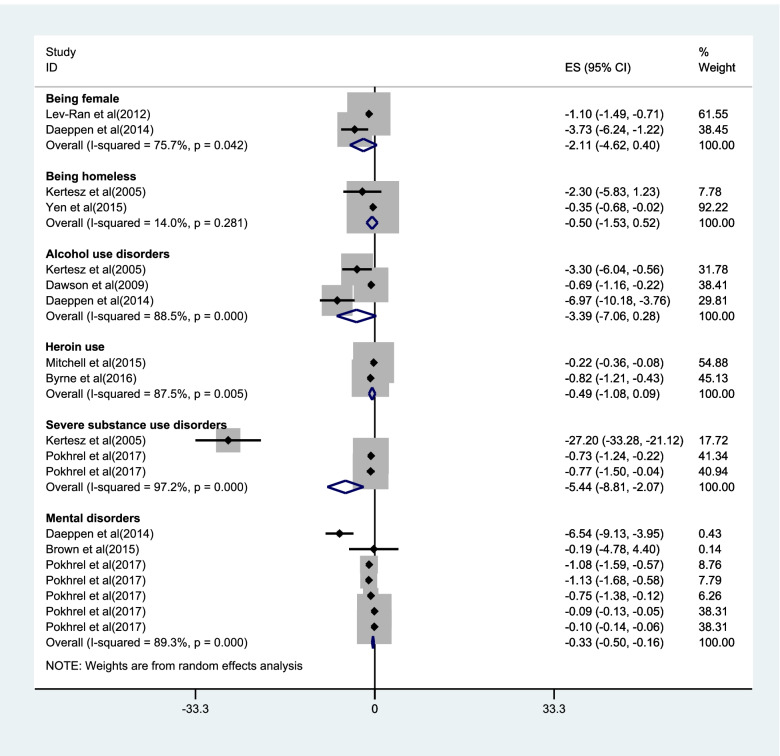
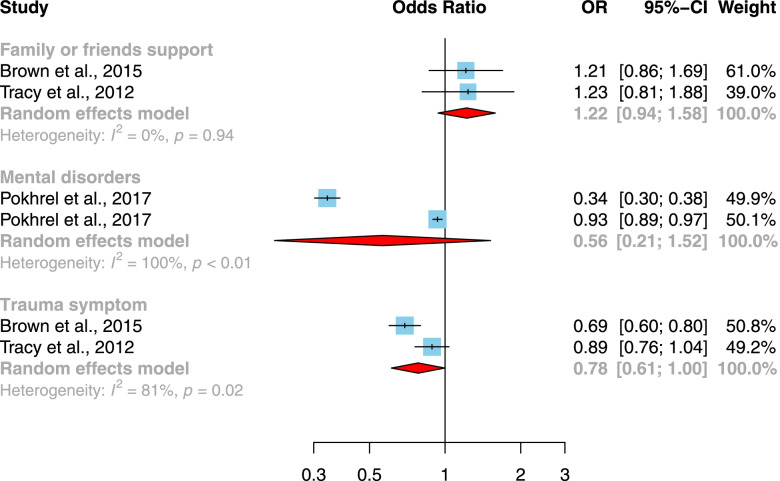
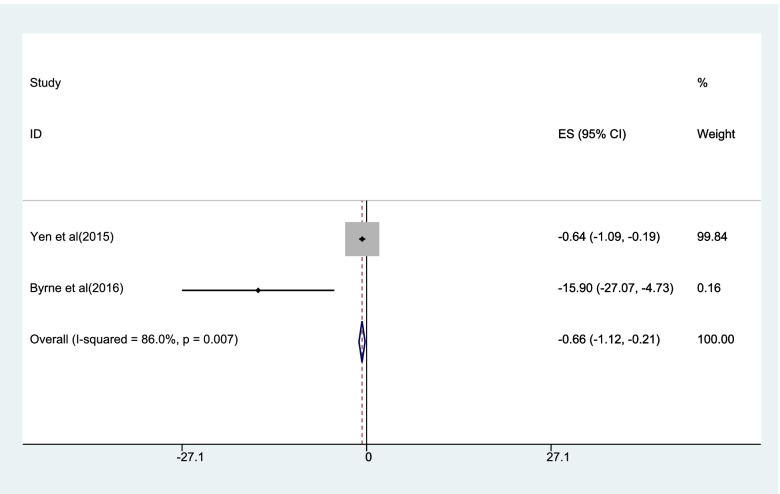
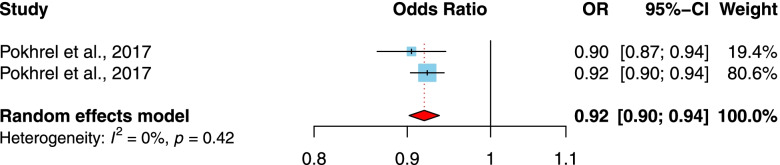
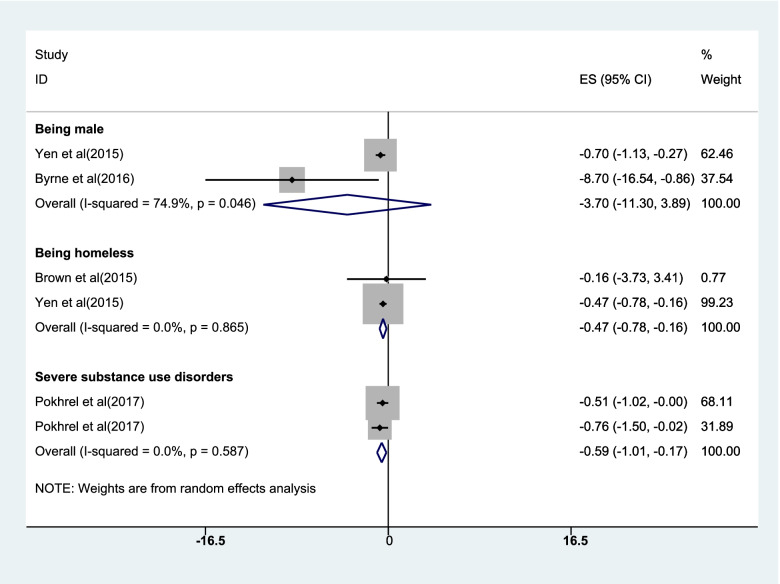
Results: After the assessment of over 10,230 papers, a total of 17 studies met the eligibility criteria. Five studies (1260 participants) found that patients with SUD who were older were less likely to have a good physical Qol (OR = 0.86, 95% CI = 0.78, 0.95). Two studies (1171 participants) indicated that patients with SUD who were homeless were less likely to have a good environmental Qol (β = -0.47, p = 0.003). However, a better mental QoL was observed in four studies (1126 participants) among those receiving support from their family or friends (social networks) (OR = 1.05, 95% CI = 1.04, 1.07). Two studies (588 participants) showed that those using cocaine were less likely to have a good mental QoL (OR = 0.83, 95% CI = 0.75, 0.93). Two studies (22,534 participants) showed that those using alcohol were less likely to have a good physical QoL (β = -2.21, p = 0.001). Two studies (956 participants) showed that those having severe substance use disorders were less likely to have a good mental (β = -5.44, p = 0.002) and environmental (β = -0.59, p = 0.006) QoL respectively. Four studies (3515 participants) showed that those having mental disorders were less likely to have a good physical QoL (β = -1.05, p = 0.001), and another three studies (1211 participants) that those having mental disorders were less likely to have a good mental QoL (β = -0.33, p = 0.001). Finally, two studies (609 and 682 participants) showed that individuals who experienced trauma symptoms or mental disorders were less likely to have good social and environmental QoL, respectively (OR = 0.78, 95% CI = 0.61, 1.00) and (OR = 0.92, 95% CI = 0.9, 0.94).
Conclusions: The findings suggest the need for mental health services to improve the QOL among patients with SUD but further study is needed. Cocaine may cause behavioral changes which can increase the possibility of reckless and suicidal behaviors. Therefore, identifying cocaine user access, adherence, and satisfaction with treatment is recommended as an important component of adaptive functioning. Interventions that help patients with SUD get support from people within their social networks who support their recovery are also essential to their QoL.
Keywords: Cocaine use; Mental disorders; Quality of life; Substance use disorder.
© 2022. The Author(s).
Conflict of interest statement
The authors declare that there are no conflicts of interest.
Figures
References
-
- Gigantesco A, Giuliani M. Quality of life in mental health services with a focus on psychiatric rehabilitation practice. Ann Ist Super Sanita. 2011;47:363–372. - PubMed
LinkOut - more resources
Full Text Sources
Miscellaneous
