


The influence of depression on the relationship between loneliness and grief trajectories in bereaved older adults
- PMID: 35928209
- PMCID: PMC9345326
- DOI: 10.1016/j.psycom.2021.100006
The influence of depression on the relationship between loneliness and grief trajectories in bereaved older adults
Abstract
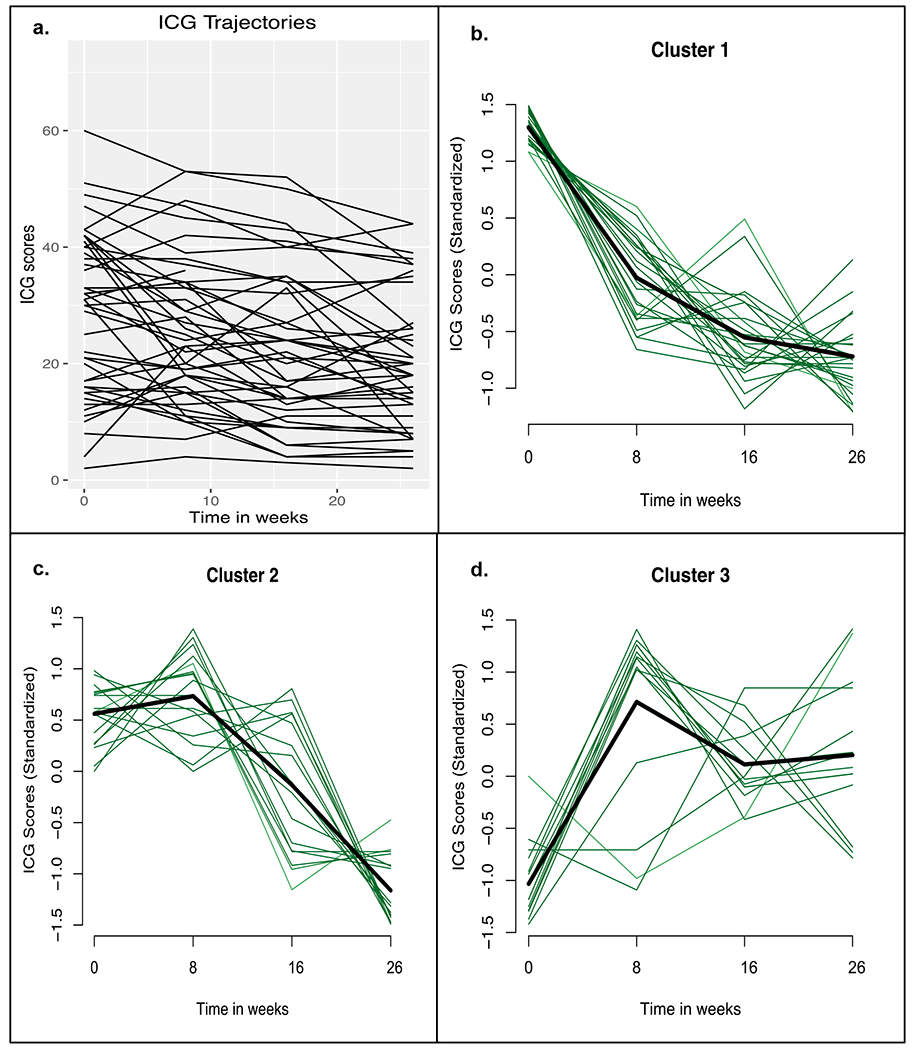
Loneliness is associated with adverse mental health outcomes in older adults. Bereavement triggers intense feelings of loneliness. This pilot study explored the association between baseline loneliness and grief symptom trajectories in bereaved elders and explored if this association is moderated by depressive symptom changes. 56 individuals aged 50 years and older, within 13-months following bereavement, completed assessments. Loneliness was measured at baseline using the UCLA loneliness scale-version 3. Grief and depressive symptoms were measured over 26 weeks using the inventory of complicated grief (ICG) and the 17-item Hamilton Depressive Rating (HAM-D) scales, respectively. Linear regression explored the cross-sectional association between loneliness and grief symptoms, after adjusting for covariates including depressive symptoms. A mixed-effects linear model tested whether baseline loneliness was related to grief symptom trajectory over 26 weeks, after accounting for depressive symptom changes. Loneliness was associated with grief symptom severity at baseline; however, this cross-sectional association was not significant after adjusting for depressive symptoms. Longitudinally, baseline loneliness was positively associated with grief symptom trajectories; however, depressive symptom changes moderated this association. Depressive symptom alterations appear to weaken the loneliness-grief symptom change association. These exploratory findings point to opportunities for interventions targeting loneliness and depression that may reduce grief intensity over time in bereaved elders.
Keywords: Bereavement; depression; grief; loneliness; older adults; prolonged grief disorder; trajectories.
Conflict of interest statement
Declarations of interest: None Conflicts of Interest: Cecilia J Hillard is on the Scientific Advisory Boards of Phytecs, Inc and Formulate Biosciences and has equity in Formulate Biosciences. These companies are developing cannabis-based drugs. Other authors have no conflicts of interest to report.
Figures
References
-
- Beck AT, Kovacs M, Weissman A, 1979. Assessment of suicidal intention: the Scale for Suicide Ideation. J Consult Clin Psychol 47 (2), 343–352. - PubMed
-
- Clayton PJ, 1990. Bereavement and depression. J Clin Psychiatry 51 Suppl, 34–38; discussion 39–40. - PubMed
-
- Domenech-Abella J, Lara E, Rubio-Valera M, Olaya B, Moneta MV, Rico-Uribe LA, Ayuso-Mateos JL, Mundo J, Haro JM, 2017. Loneliness and depression in the elderly: the role of social network. Soc Psychiatry Psychiatr Epidemiol 52 (4), 381–390. - PubMed
Grants and funding
LinkOut - more resources
Full Text Sources