


Intestinal transgene delivery with native E. coli chassis allows persistent physiological changes
- PMID: 35931082
- PMCID: PMC9464905
- DOI: 10.1016/j.cell.2022.06.050
Intestinal transgene delivery with native E. coli chassis allows persistent physiological changes
Abstract
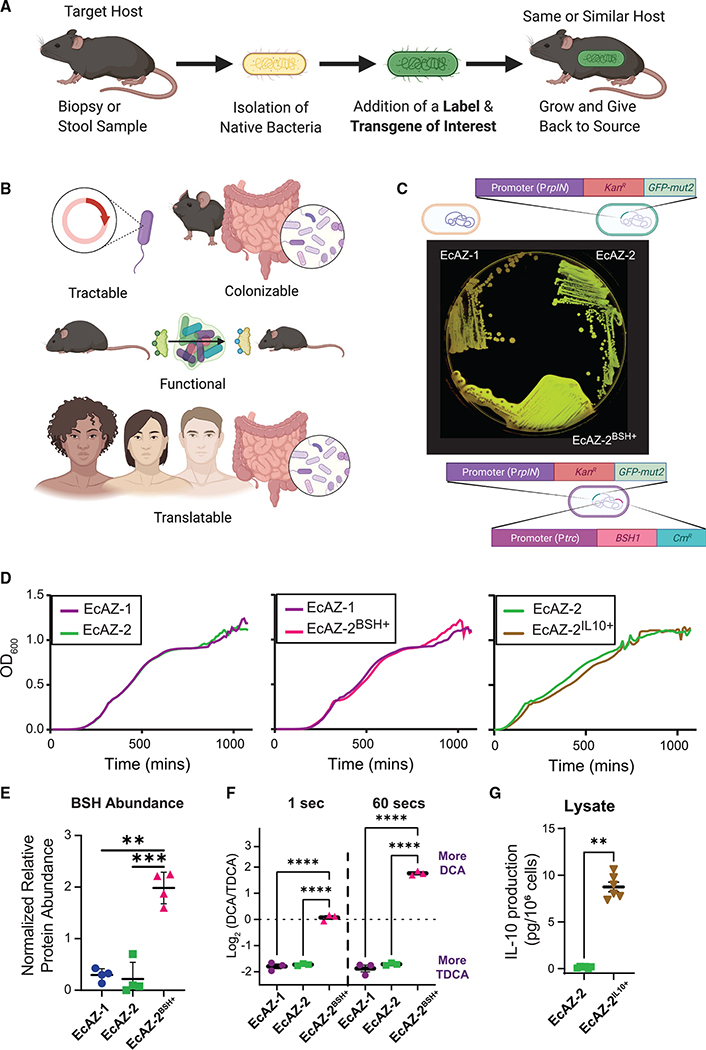
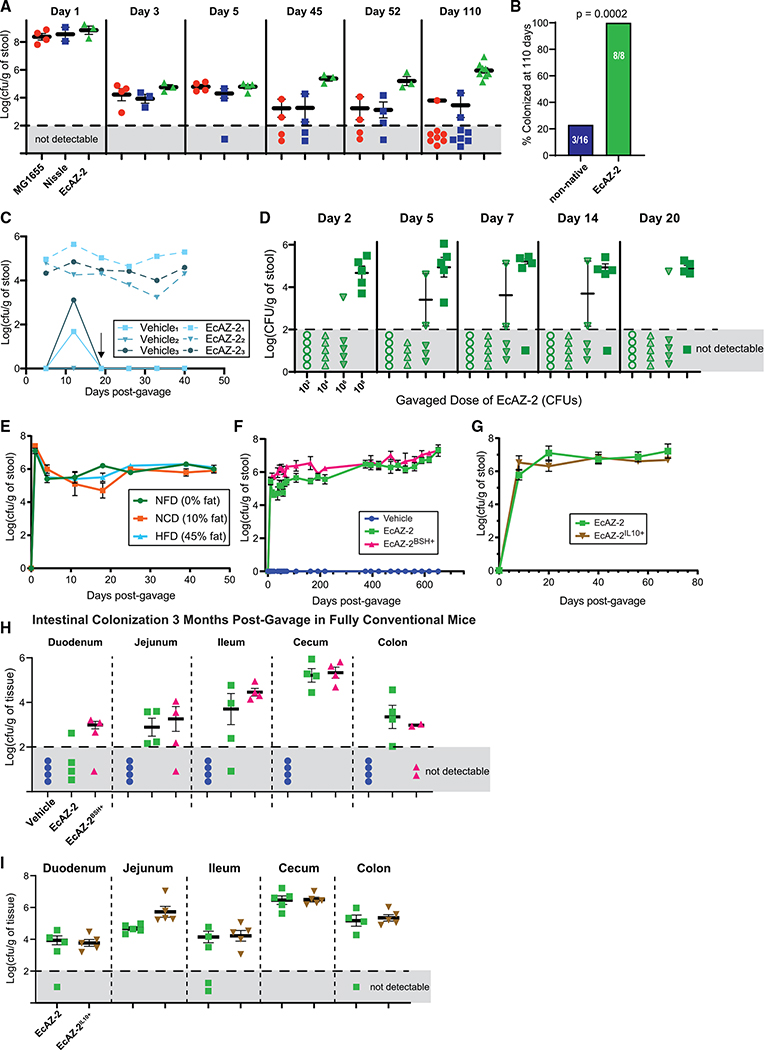
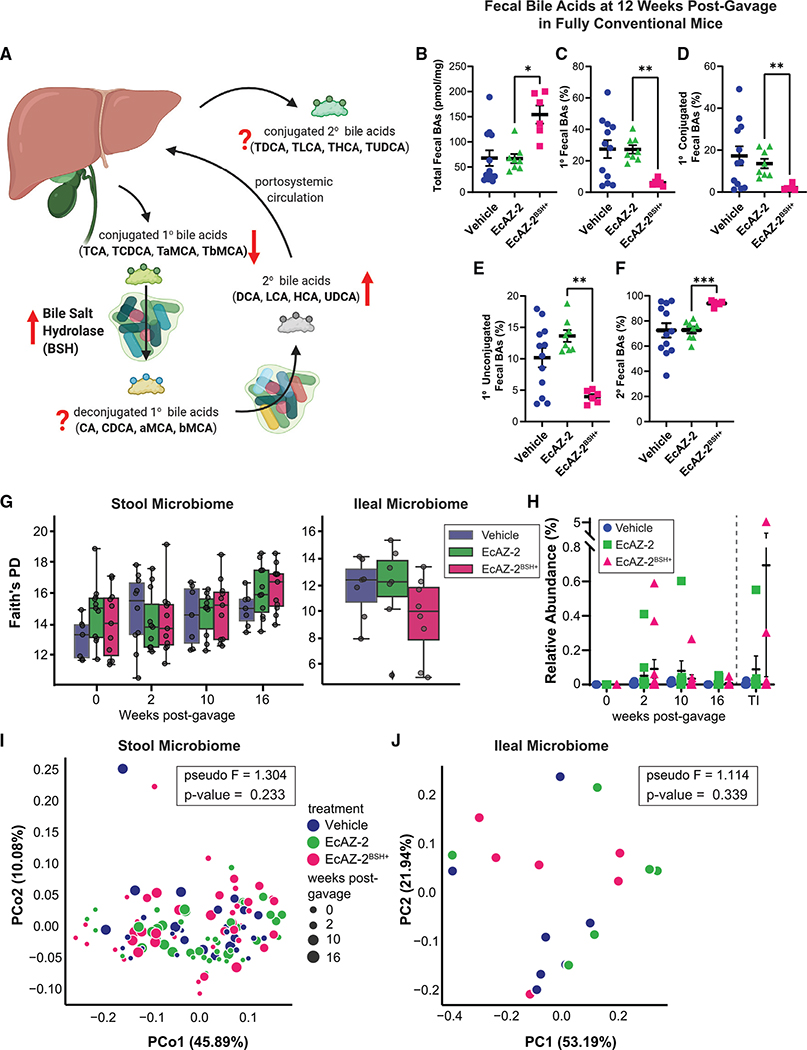
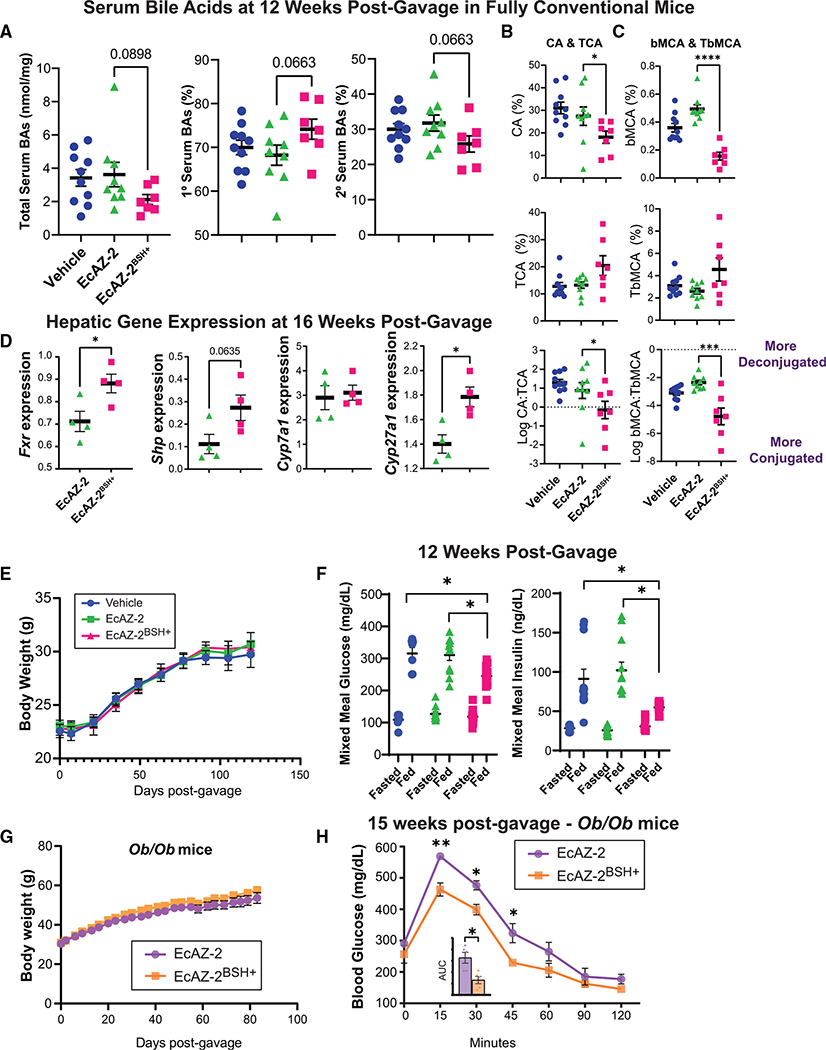
Live bacterial therapeutics (LBTs) could reverse diseases by engrafting in the gut and providing persistent beneficial functions in the host. However, attempts to functionally manipulate the gut microbiome of conventionally raised (CR) hosts have been unsuccessful because engineered microbial organisms (i.e., chassis) have difficulty in colonizing the hostile luminal environment. In this proof-of-concept study, we use native bacteria as chassis for transgene delivery to impact CR host physiology. Native Escherichia coli bacteria isolated from the stool cultures of CR mice were modified to express functional genes. The reintroduction of these strains induces perpetual engraftment in the intestine. In addition, engineered native E. coli can induce functional changes that affect physiology of and reverse pathology in CR hosts months after administration. Thus, using native bacteria as chassis to "knock in" specific functions allows mechanistic studies of specific microbial activities in the microbiome of CR hosts and enables LBT with curative intent.
Keywords: bile acid metabolism; complex gut microbiome; glucose homeostasis; gut microbiome; metabolism; microbe-host intereractions; non-model gut microbes; precision microbiome modulation; synthetic biology; type 2 diabetes.
Published by Elsevier Inc.
Conflict of interest statement
Declaration of interests A.Z. and S.D.B. are co-founders and equity-holders in Endure Biotherapeutics. They have filed a provisional patent based on the work described here (US Provisional Patent No. 16/604,138).
Figures
References
Publication types
MeSH terms
Grants and funding
- R01 EB030134/EB/NIBIB NIH HHS/United States
- R01 HL148801/HL/NHLBI NIH HHS/United States
- I01 BX005707/BX/BLRD VA/United States
- UL1 TR001442/TR/NCATS NIH HHS/United States
- T32 AR064194/AR/NIAMS NIH HHS/United States
- P30 DK120515/DK/NIDDK NIH HHS/United States
- R21 CA259921/CA/NCI NIH HHS/United States
- R01 HL157445/HL/NHLBI NIH HHS/United States
- P30 DK063491/DK/NIDDK NIH HHS/United States
- R21 MH117780/MH/NIMH NIH HHS/United States
- T32 GM007752/GM/NIGMS NIH HHS/United States
- F31 HD106762/HD/NICHD NIH HHS/United States
- F32 DK113721/DK/NIDDK NIH HHS/United States
- K08 DK102902/DK/NIDDK NIH HHS/United States
- U01 CA265719/CA/NCI NIH HHS/United States
- P30 CA014195/CA/NCI NIH HHS/United States
- P50 AA011999/AA/NIAAA NIH HHS/United States
- R03 DK114536/DK/NIDDK NIH HHS/United States
LinkOut - more resources
Full Text Sources
Other Literature Sources
