


Self-Reported Outcomes in Early Postoperative Management After Shoulder Surgery Using a Home-Based Strengthening and Stabilization System With Telehealth
- PMID: 35932103
- PMCID: PMC10293560
- DOI: 10.1177/19417381221116319
Self-Reported Outcomes in Early Postoperative Management After Shoulder Surgery Using a Home-Based Strengthening and Stabilization System With Telehealth
Abstract
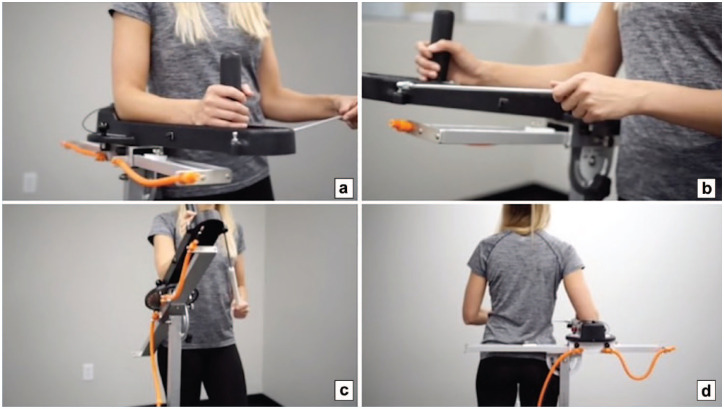
Background: Multiple rehabilitation protocols after shoulder surgery have been proposed. The coronavirus pandemic adds an extra layer of complexity to postoperative rehabilitation after shoulder surgery.
Hypothesis: The combined use of a home-based rehabilitation system, the Shoulder Strengthening and Stabilization System (SSS), and telehealth visits will lead to acceptable patient self-reported outcomes and satisfaction after shoulder surgery.
Study design: Prospective observational cohort.
Level of evidence: Level 4.
Methods: A total of 132 patients were prescribed SSS after shoulder surgery. A virtual clinical specialist monitored patients through telehealth visits as prescribed by the treating physician. Data were collected prospectively during each telehealth visit. Patients completed an exit survey during their last telehealth visit.
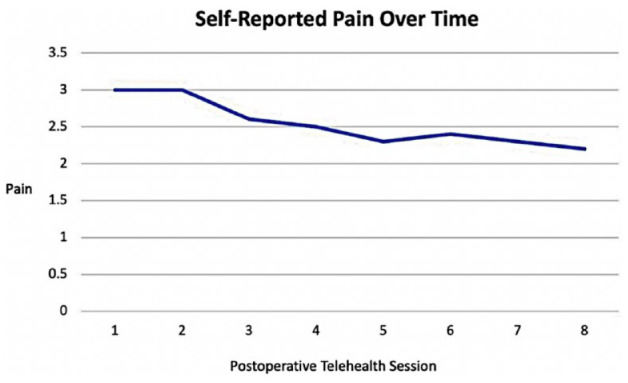
Results: The use of SSS with telehealth revealed a positive impact on postoperative shoulder rehabilitation (96%), pain (71%), and stiffness (92%) as reported by patients. Both pain scores and pain medication use decreased from the 1st to 8th postoperative telehealth session (P < 0.01). Nearly all (93%) patients recommended SSS after shoulder surgery upon completing the SSS protocol.
Conclusion: Postoperative management of shoulder surgery with SSS combined with telehealth results in a reduction in patient pain levels in the early postoperative period. Patients reported high levels of improvement with SSS in shoulder rehabilitation, pain, and stiffness. The overwhelming majority (93%) of patients recommended SSS for postoperative shoulder rehabilitation and SSS yielded high patient satisfaction scores. Elucidating the impact of SSS on clinical outcomes and function in comparison with traditional rehabilitation protocols is warranted.
Clinical relevance: SSS in combination with telehealth was tolerated well by patients and may represent an alternative or adjunct to traditional rehabilitation protocols.
Keywords: Shoulder Strengthening and Stabilization System; rehabilitation protocol; rotator cuff repair; shoulder surgery; telehealth; telerehabilitation.
Conflict of interest statement
The following authors declared potential conflicts of interest: B.P.L. has received royalty payments from Workers Kluwer Publishing. A.L. is a paid consultant of Arthrex and Stryker/Tornier. V.M. has received grants from Smith & Nephew and Arthrex; consultancy fee from Smith & Nephew; patents from University of Pittsburgh; and hospitality payments from ISAKOS. V.M., J.J.I., and A.J.P. have pending grants from NIH and Department of Defense; and have received royalty payments from ēlizur Corporation.
Figures

References
-
- Amini MH, Ricchetti ET, Iannotti JP, Derwin KA. Rotator cuff repair: challenges and solutions. Orthop Res Rev. 2015;7:57-69.
-
- Chang KV, Hung CY, Han DS, et al. Early versus delayed passive range of motion exercise for arthroscopic rotator cuff repair: a meta-analysis of randomized controlled trials. Am J Sports Med. 2015;43:1265-1273. - PubMed
Publication types
MeSH terms
LinkOut - more resources
Full Text Sources
Medical
Research Materials
