


Role of chitosan in titanium coatings. trends and new generations of coatings
- PMID: 35935477
- PMCID: PMC9354072
- DOI: 10.3389/fbioe.2022.907589
Role of chitosan in titanium coatings. trends and new generations of coatings
Abstract
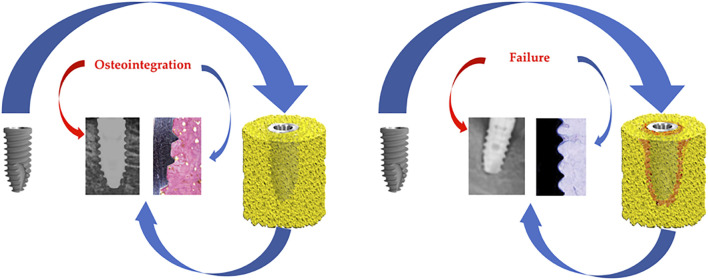
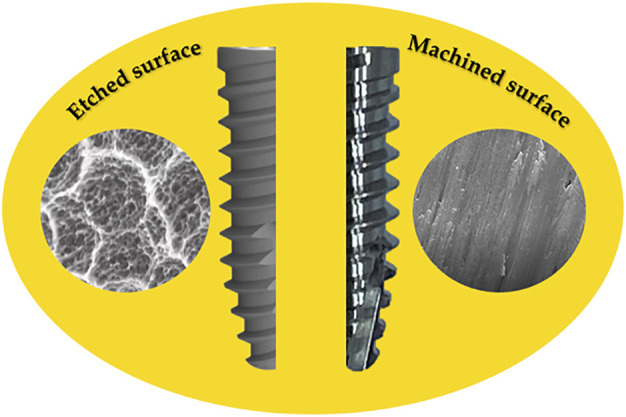
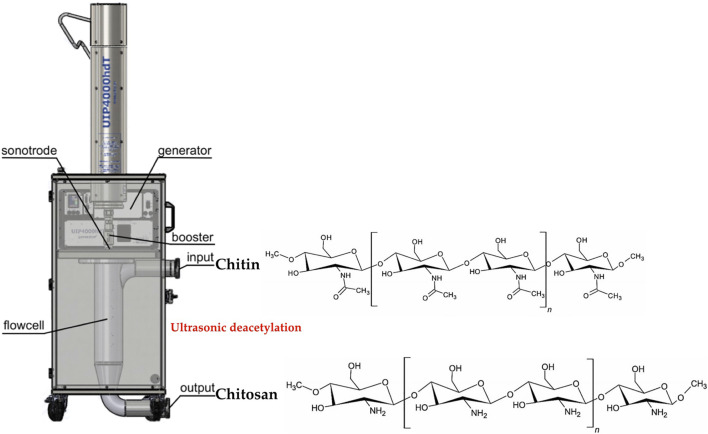
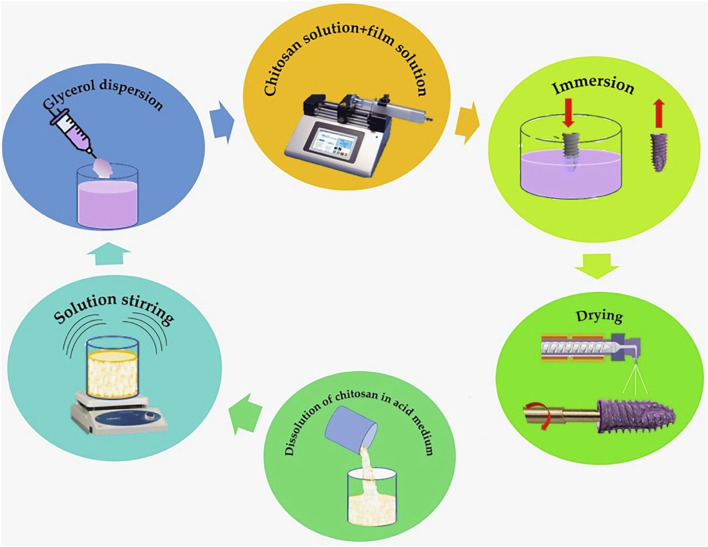
Survival studies of dental implants currently reach high figures. However, considering that the recipients are middle-aged individuals with associated pathologies, research is focused on achieving bioactive surfaces that ensure osseointegration. Chitosan is a biocompatible, degradable polysaccharide with antimicrobial and anti-inflammatory properties, capable of inducing increased growth and fixation of osteoblasts around chitosan-coated titanium. Certain chemical modifications to its structure have been shown to enhance its antibacterial activity and osteoinductive properties and it is generally believed that chitosan-coated dental implants may have enhanced osseointegration capabilities and are likely to become a commercial option in the future. Our review provided an overview of the current concepts and theories of osseointegration and current titanium dental implant surfaces and coatings, with a special focus on the in vivo investigation of chitosan-coated implants and a current perspective on the future of titanium dental implant coatings.
Keywords: bioactive surfaces3; chitosan coating4; future direction5; osteointegration2; titanium dental implants1.
Copyright © 2022 López-Valverde, Aragoneses, López-Valverde, Rodríguez, Macedo de Sousa and Aragoneses.
Conflict of interest statement
The authors declare that the research was conducted in the absence of any commercial or financial relationships that could be construed as a potential conflict of interest.
Figures
References
Publication types
LinkOut - more resources
Full Text Sources
