Papillary thyroid cancer with suspicious uterine cervix metastasis: a case report and literature review
- PMID: 35935566
- PMCID: PMC9346220
- DOI: 10.21037/gs-22-210
Papillary thyroid cancer with suspicious uterine cervix metastasis: a case report and literature review
Abstract
Background: Distant metastasis (DM) of papillary thyroid cancer (PTC) is rare but significantly associated with decreased survival. Accurate clinical staging at initial diagnosis and during follow-up is essential.
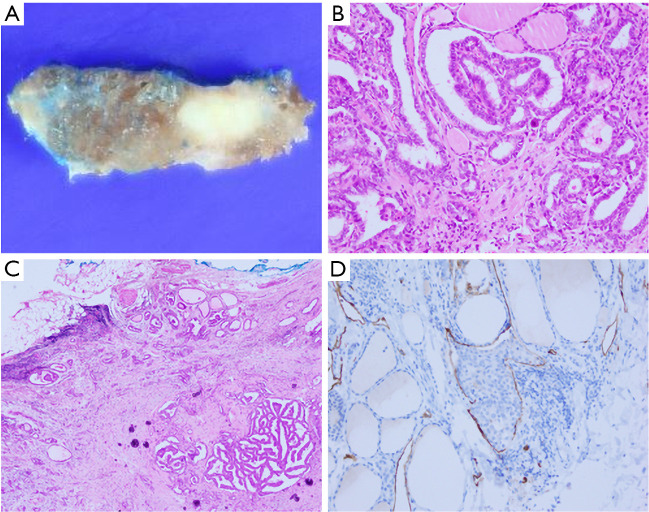
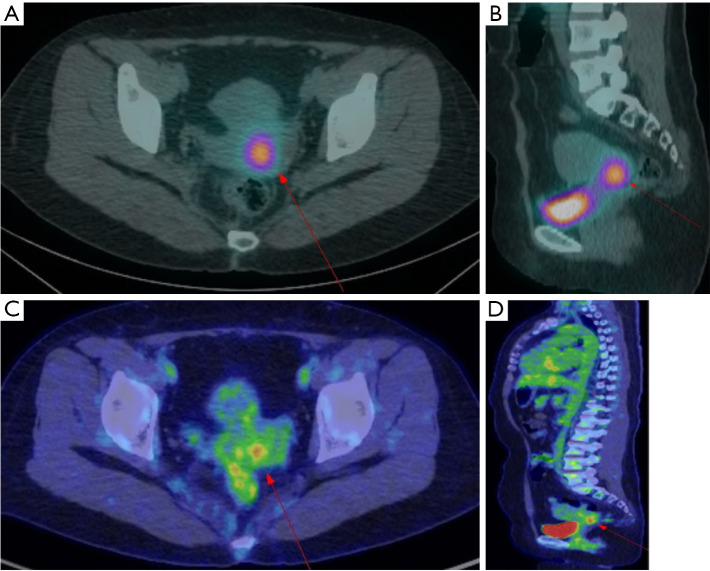
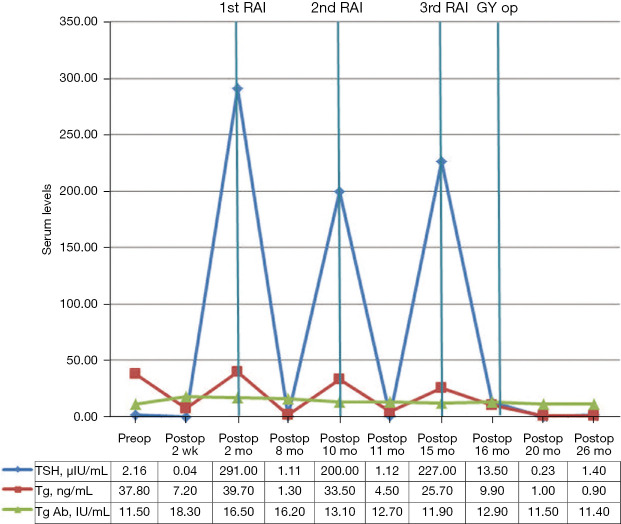
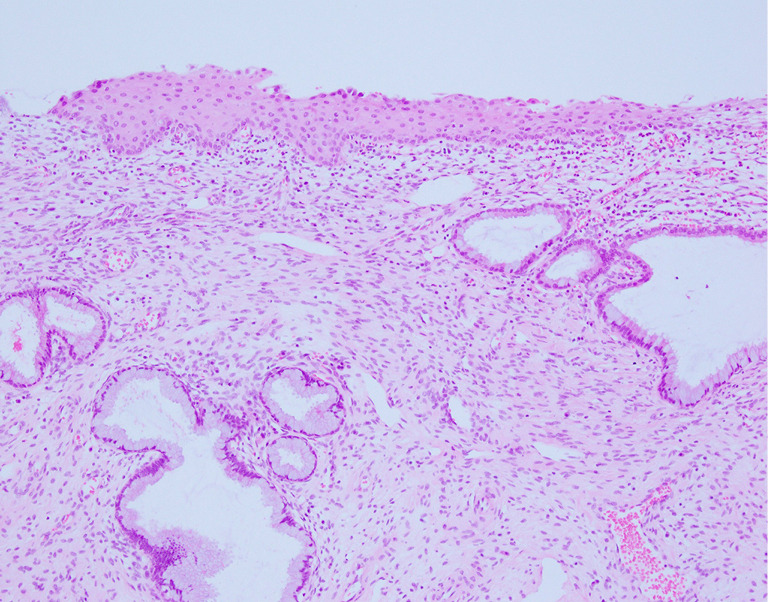
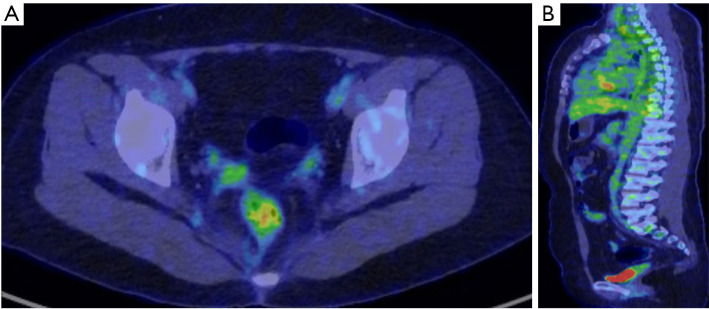
Case description: We report the case of a 38-year-old woman diagnosed with PTC in the left isthmus who presented with a suspicious uterine cervix metastasis during follow-up after total thyroidectomy. She had neither medical history nor family history of thyroid cancer. During surgery, extensive central node metastases were found, and bilateral total thyroidectomy was performed. Even after three rounds of radioactive iodine (RAI) ablation, persistently elevated serum thyroglobulin (Tg) levels, combined with a suspicious finding on the whole-body scan (WBS) and fluorodeoxyglucose positron emission tomography/computed tomography (18F-FDG PET/CT), led to the clinical suspicion of uterine cervix metastasis from PTC. Hysterectomy confirmed the pathology of chronic cervicitis. No hidden malignancy was observed. After surgery, negative imaging findings and decreased serum Tg levels were observed.
Conclusions: This case contributes to the discussion of differential diagnostic problems in the setting of clinical and pathological investigations of PTC. However, based on the relevant rationales, through multidisciplinary discussion, this patient can ultimately obtain a better prognosis. Understanding the pitfalls of imaging modalities and continuous efforts to overcome the limitations of the diagnostic process are crucial for future treatment.
Keywords: Papillary thyroid cancer (PTC); case report; distant metastasis (DM); uterine cervix.
2022 Gland Surgery. All rights reserved.
Conflict of interest statement
Conflicts of Interest: All authors have completed the ICMJE uniform disclosure form (available at https://gs.amegroups.com/article/view/10.21037/gs-22-210/coif). The authors have no conflicts of interest to declare.
Figures
References
Publication types
LinkOut - more resources
Full Text Sources
Miscellaneous