


TRAPS mutations in Tnfrsf1a decrease the responsiveness to TNFα via reduced cell surface expression of TNFR1
- PMID: 35936010
- PMCID: PMC9355097
- DOI: 10.3389/fimmu.2022.926175
TRAPS mutations in Tnfrsf1a decrease the responsiveness to TNFα via reduced cell surface expression of TNFR1
Abstract
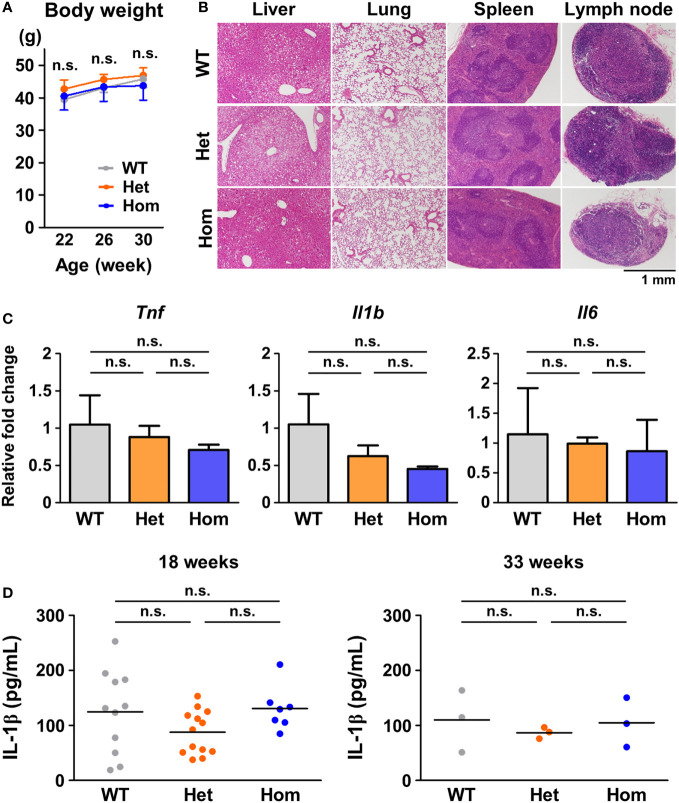
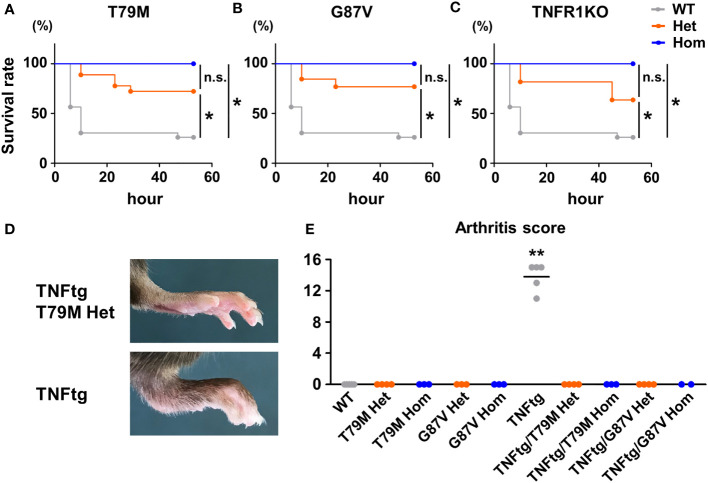
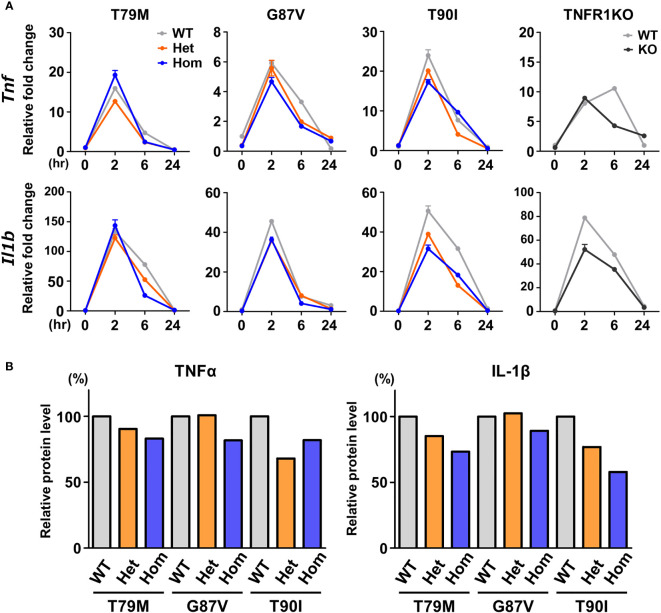
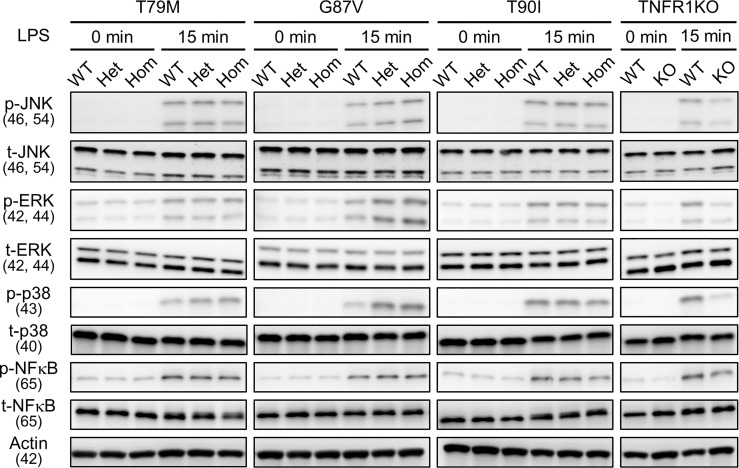
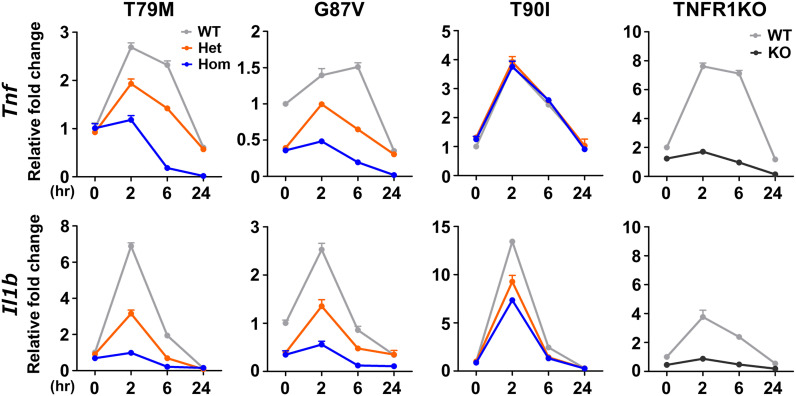
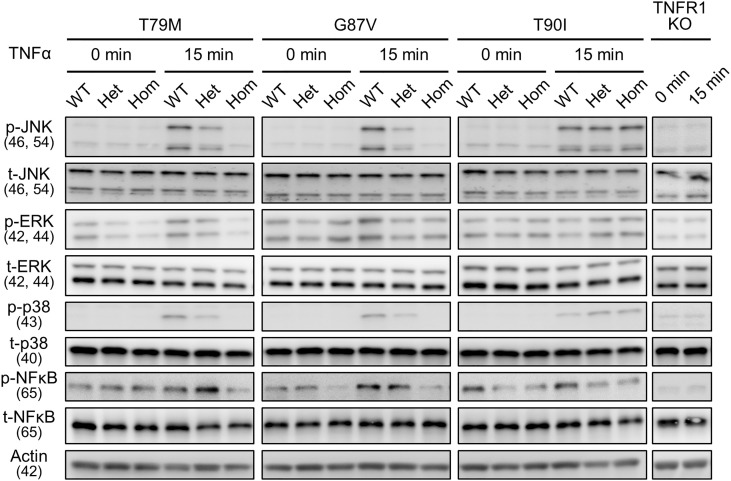
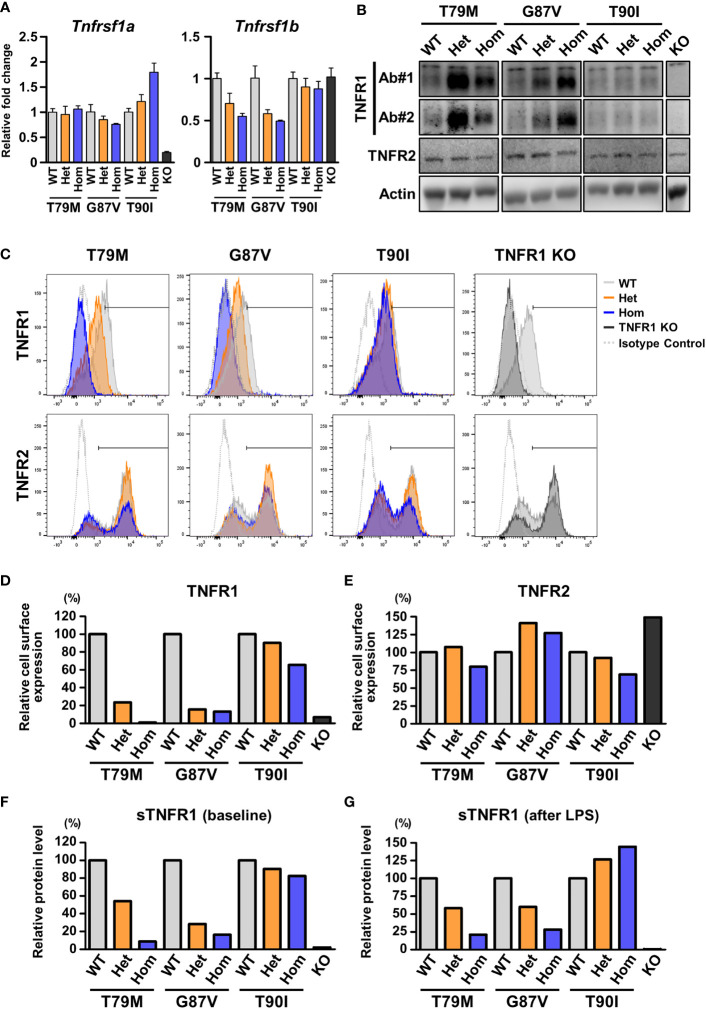
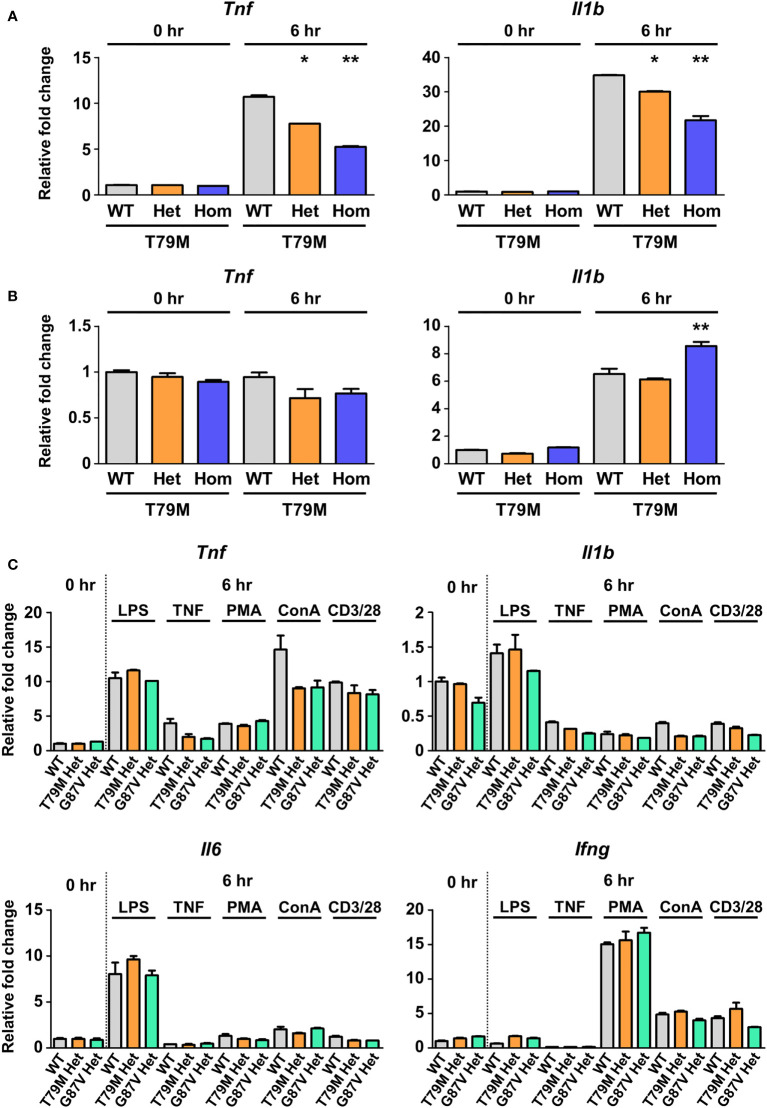
Tumor necrosis factor (TNF) receptor-associated periodic syndrome (TRAPS) is an autoinflammatory periodic fever syndrome associated with heterozygous mutations in TNFRSF1A, which encodes TNF receptor type I (TNFR1). Although possible proinflammatory mechanisms have been proposed, most previous studies were performed using in vitro overexpression models, which could lead to undesirable inflammatory responses due to artificial overexpression. It is crucial to reproduce heterozygous mutations at physiological expression levels; however, such studies remain limited. In this study, we generated TRAPS mutant mice and analyzed their phenotypes. Three Tnfrsf1a mutant strains were generated by introducing T79M, G87V, or T90I mutation. T79M is a known mutation responsible for TRAPS, whereas G87V is a TRAPS mutation that we have reported, and T90I is a variant of unknown significance. Using these murine models, we investigated whether TRAPS mutations could affect the inflammatory responses in vivo and in vitro. We found that none of the mutant mice exhibited detectable inflammatory phenotypes under standard housing conditions for 1 year. Interestingly, TRAPS mutant (T79M and G87V) mice had reduced mortality rates after the administration of lipopolysaccharide (LPS) and D-galactosamine, which induce TNFα-dependent lethal hepatitis. Moreover, TRAPS mutations strongly suppressed the development of TNFα-mediated arthritis when crossed with human TNFα transgenic mice. In in vitro primary bone marrow-derived macrophage cultures, the T79M and G87V mutations attenuated the inflammatory responses to TNFα compared with the wild-type, whereas these mutations did not alter the responsiveness of these cells to LPS. The T90I mutant macrophages behaved similarly to wild type in response to LPS and TNFα. The TNFR1 levels were increased in whole-cell lysates of TRAPS mutant macrophages, whereas the cell surface expression of TNFR1 was significantly decreased in TRAPS mutant macrophages. Taken together, TRAPS mutations did not augment the inflammatory responses to TNFα and LPS; instead, they suppressed the response to TNFα via decreased cell surface expression of TNFR1. The stimulation of lymphotoxin-α, adenosine triphosphate, and norepinephrine in primary macrophages or various stimuli in murine splenocytes did not induce detectable inflammatory responses. In conclusion, TRAPS mutations suppressed responsiveness to TNFα, and TRAPS-associated inflammation is likely induced by unconfirmed disease-specific proinflammatory factors.
Keywords: TNF receptor 1; TNF receptor-associated periodic syndrome; autoinflammatory disease; murine model; tumor necrosis factor-α.
Copyright © 2022 Akagi, Hiramatsu-Asano, Ikeda, Hirano, Tsuji, Yahagi, Iseki, Matsuyama, Mak, Nakano, Ishihara, Morita and Mukai.
Conflict of interest statement
TA, SH-A, KN, and YM received scholarship donations from AbbVie, Asahi Kasei, Ayumi and Chugai. The remaining authors declare that the research was conducted in the absence of any commercial or financial relationships that could be construed as a potential conflict of interest.
Figures
References
-
- Lobito AA, Kimberley FC, Muppidi JR, Komarow H, Jackson AJ, Hull KM, et al. Abnormal disulfide-linked oligomerization results in er retention and altered signaling by TNFR1 mutants in TNFR1-associated periodic fever syndrome (TRAPS). Blood (2006) 108(4):1320–7. doi: 10.1182/blood-2005-11-006783 - DOI - PMC - PubMed
Publication types
MeSH terms
Substances
Supplementary concepts
LinkOut - more resources
Full Text Sources
Molecular Biology Databases
