


Scope of repurposed drugs against the potential targets of the latest variants of SARS-CoV-2
- PMID: 35938064
- PMCID: PMC9346052
- DOI: 10.1007/s11224-022-02020-z
Scope of repurposed drugs against the potential targets of the latest variants of SARS-CoV-2
Erratum in
-
Correction to: Scope of repurposed drugs against the potential targets of the latest variants of SARS-CoV-2.Struct Chem. 2022;33(6):2263. doi: 10.1007/s11224-022-02045-4. Epub 2022 Aug 31. Struct Chem. 2022. PMID: 36060229 Free PMC article.
Abstract
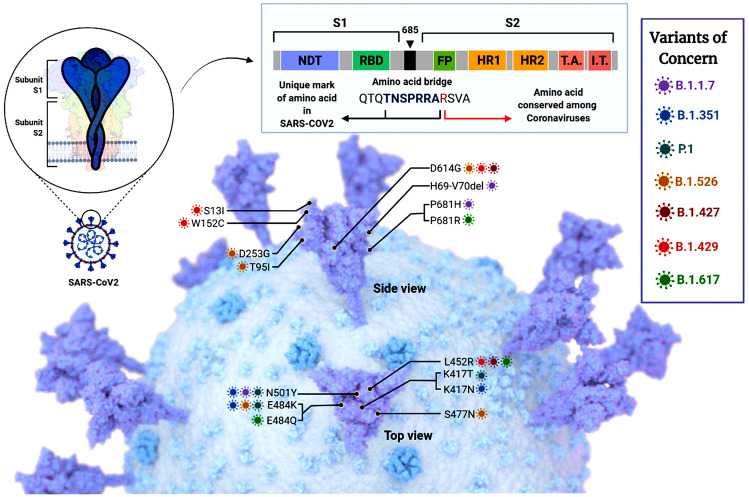
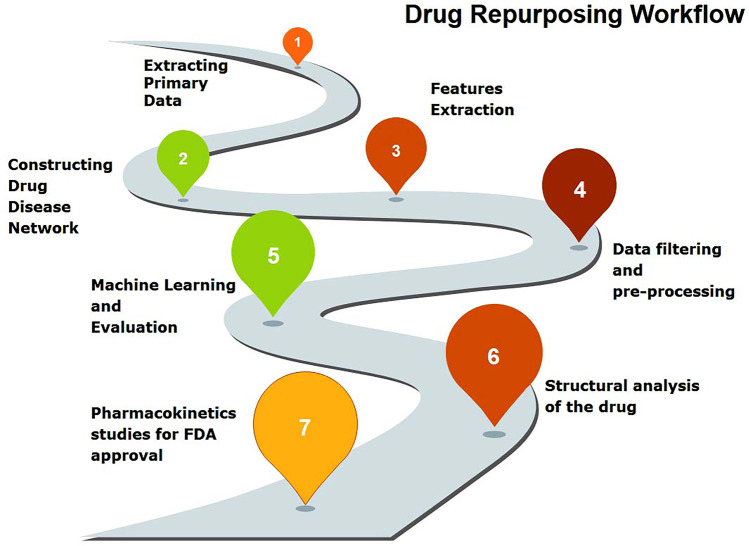
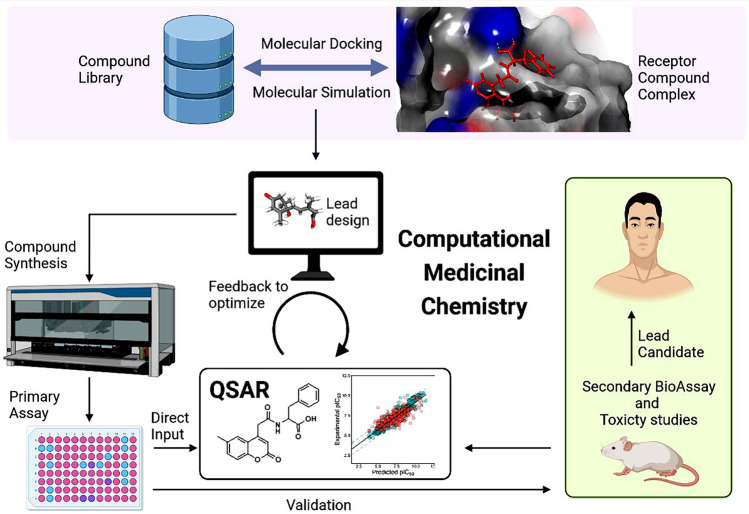
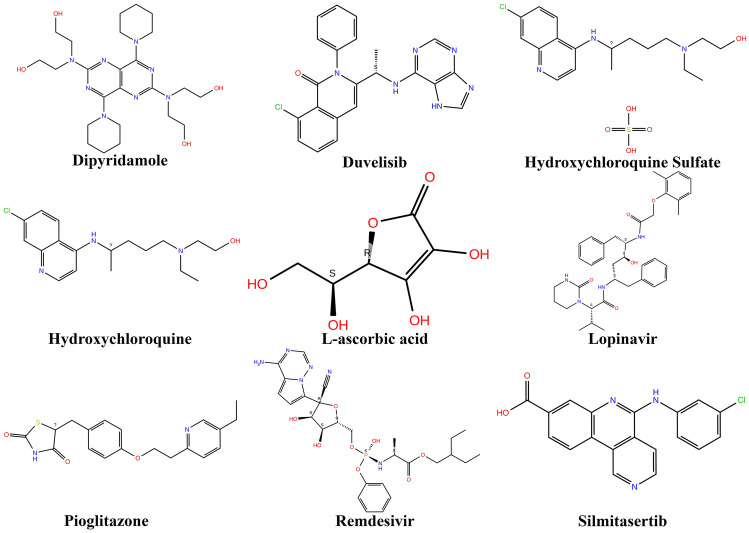
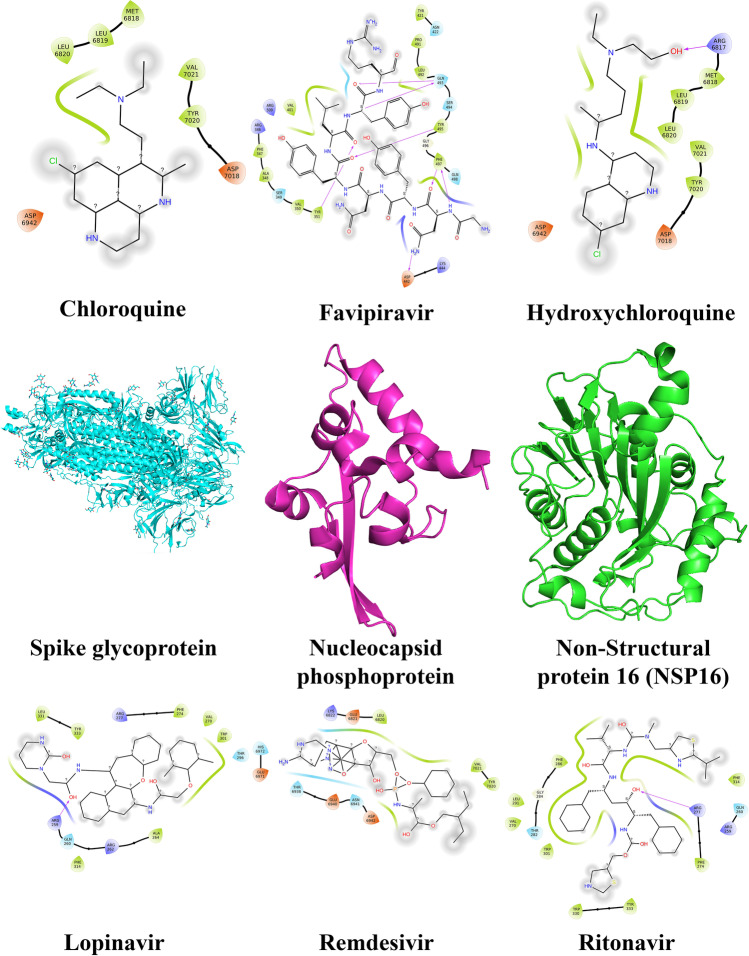
The unprecedented outbreak of the severe acute respiratory syndrome (SARS) Coronavirus-2, across the globe, triggered a worldwide uproar in the search for immediate treatment strategies. With no specific drug and not much data available, alternative approaches such as drug repurposing came to the limelight. To date, extensive research on the repositioning of drugs has led to the identification of numerous drugs against various important protein targets of the coronavirus strains, with hopes of the drugs working against the major variants of concerns (alpha, beta, gamma, delta, omicron) of the virus. Advancements in computational sciences have led to improved scope of repurposing via techniques such as structure-based approaches including molecular docking, molecular dynamic simulations and quantitative structure activity relationships, network-based approaches, and artificial intelligence-based approaches with other core machine and deep learning algorithms. This review highlights the various approaches to repurposing drugs from a computational biological perspective, with various mechanisms of action of the drugs against some of the major protein targets of SARS-CoV-2. Additionally, clinical trials data on potential COVID-19 repurposed drugs are also highlighted with stress on the major SARS-CoV-2 targets and the structural effect of variants on these targets. The interaction modelling of some important repurposed drugs has also been elucidated. Furthermore, the merits and demerits of drug repurposing are also discussed, with a focus on the scope and applications of the latest advancements in repurposing.
Keywords: COVID-19; Computational sciences; Drug repurposing; Protein targets; SARS-CoV-2; Variants of concern.
© The Author(s), under exclusive licence to Springer Science+Business Media, LLC, part of Springer Nature 2022, corrected publication 2022Springer Nature or its licensor holds exclusive rights to this article under a publishing agreement with the author(s) or other rightsholder(s); author self-archiving of the accepted manuscript version of this article is solely governed by the terms of such publishing agreement and applicable law.
Conflict of interest statement
Conflict of interestThe authors declare no competing interests.
Figures
References
-
- World Health Organisation (2021) WHO Official COVID-19 info - World Health Organization. https://covid19.who.int/. Accessed 14 Apr 2022
-
- Rabaan AA, Al-Ahmed SH, Haque S, Sah R, Tiwari R, Malik YS, Rodriguez-Morales AJ. SARS-CoV-2, SARS-CoV, and MERS-COV: a comparative overview. Infez Med. 2020;28(2):174–184. - PubMed
Publication types
LinkOut - more resources
Full Text Sources
Miscellaneous