


Prevalence of chronic traumatic encephalopathy in the Sydney Brain Bank
- PMID: 35950093
- PMCID: PMC9356727
- DOI: 10.1093/braincomms/fcac189
Prevalence of chronic traumatic encephalopathy in the Sydney Brain Bank
Abstract
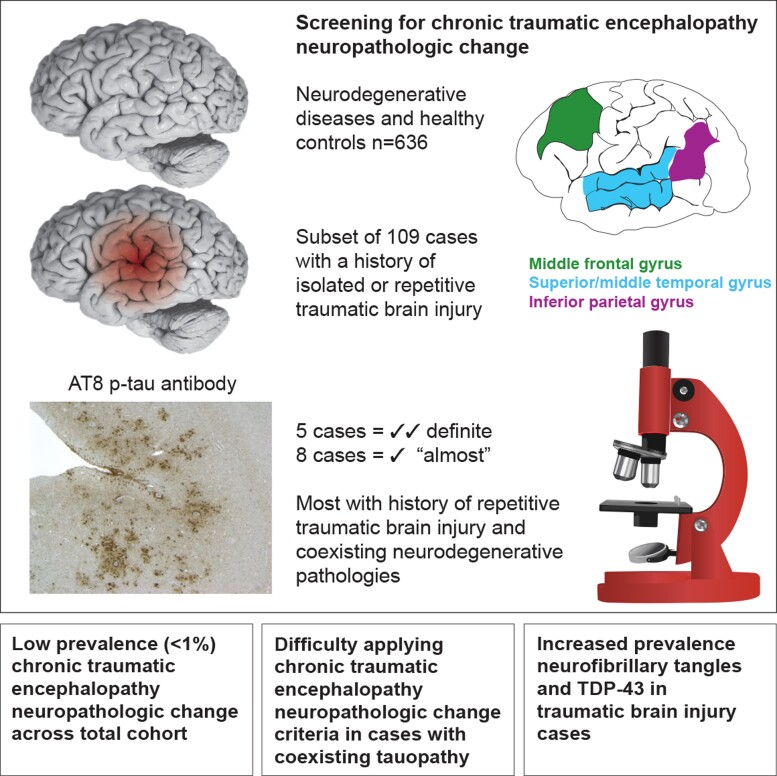
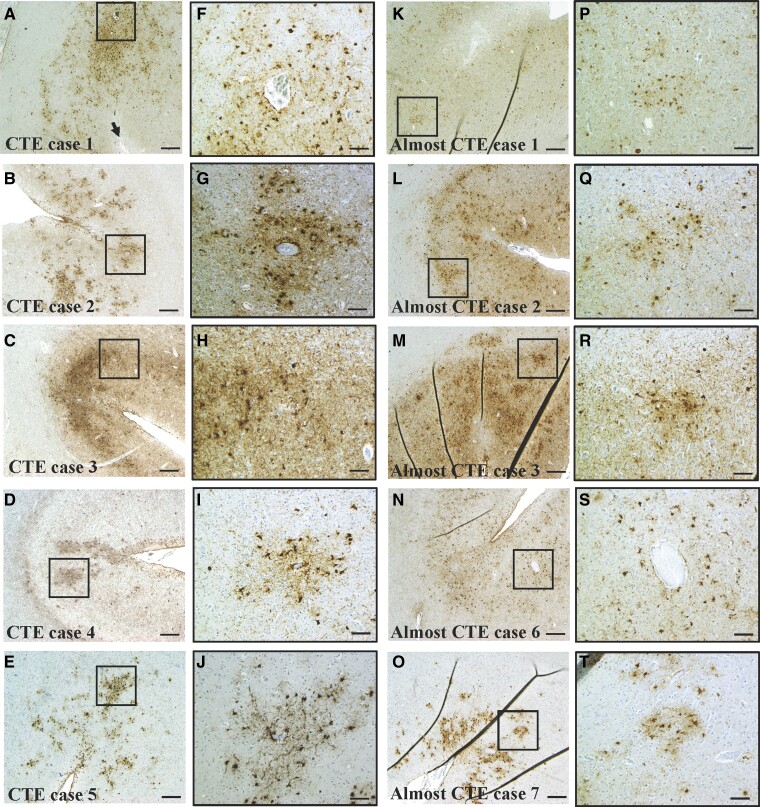
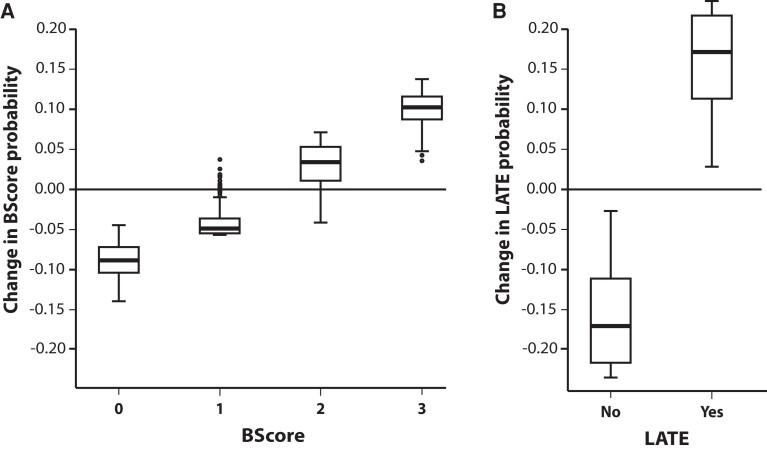
Chronic traumatic encephalopathy neuropathologic change can only be definitively diagnosed post-mortem. It has been associated with repetitive mild neurotrauma sustained in amateur and professional contact, collision and combat sports, although it has also been documented in people with a single severe traumatic brain injury and in some people with no known history of brain injury. The characteristic neuropathology is an accumulation of perivascular neuronal and astrocytic phosphorylated tau in the depths of the cortical sulci. The tau-immunopositive neurons and astrocytes that are considered pathognomonic for chronic traumatic encephalopathy are morphologically indistinguishable from Alzheimer-related neurofibrillary tangles and ageing-related tau astrogliopathy, respectively, although they are found in different spatial distributions throughout the cortex. The Sydney Brain Bank collection consists of neurodegenerative diseases and neurologically normal controls. We screened 636 of these cases for chronic traumatic encephalopathy neuropathologic change. A subset of 109 cases had a known history of traumatic brain injury. Three cortical regions were screened for the presence of neuronal and astrocytic phosphorylated tau according to the current 2021 National Institute on Neurological Disorders and Stroke/National Institute of Biomedical Imaging and Bioengineering consensus criteria for chronic traumatic encephalopathy. Five cases (0.79%) showed pathological evidence of chronic traumatic encephalopathy and three of these had a history of traumatic brain injury. Three cases had coexisting Alzheimer's and/or Lewy body disease pathology meeting criteria for neurodegenerative disease. Another eight cases almost met criteria for chronic traumatic encephalopathy neuropathological change except for an absence of neuronal tau or a strict perivascular arrangement. Ageing-related tau astrogliopathy was found in all eight cases as a coexisting neuropathology. Traumatic brain injury was associated with increased odds ratio [1.79, confidence interval 1.18-2.72] of having a higher neurofibrillary tangle stage and phosphorylated TAR DNA binding protein 43 (OR 2.48, confidence interval 1.35-4.54). Our study shows a very low rate of chronic traumatic encephalopathy neuropathological change in brains with or without neurodegenerative disease from the Sydney Brain Bank. Our evidence suggests that isolated traumatic brain injury in the general population is unlikely to cause chronic traumatic encephalopathy neuropathologic change but may be associated with increased brain ageing.
Keywords: chronic traumatic encephalopathy; phosphorylated tau; traumatic brain injury.
© The Author(s) 2022. Published by Oxford University Press on behalf of the Guarantors of Brain.
Figures
References
-
- Martland HS. Punch drunk. J Am Med Assoc 1928;91:1103–1107. 10.1001/jama.1928.02700150029009 - DOI
-
- Critchley M. Punch-drunk syndromes: The chronic traumatic encephalopathy of boxers. In: Maloine, ed. Hommage a Clovis Vincent. Imprimerie Alascienne; 1949:131–145.
-
- Millspaugh JA. Dementia pugilistica. US Nav Med Bull 1937;35:297–303.
LinkOut - more resources
Full Text Sources
Miscellaneous