


The Implication of 5-HT Receptor Family Members in Aggression, Depression and Suicide: Similarity and Difference
- PMID: 35955946
- PMCID: PMC9369404
- DOI: 10.3390/ijms23158814
The Implication of 5-HT Receptor Family Members in Aggression, Depression and Suicide: Similarity and Difference
Abstract
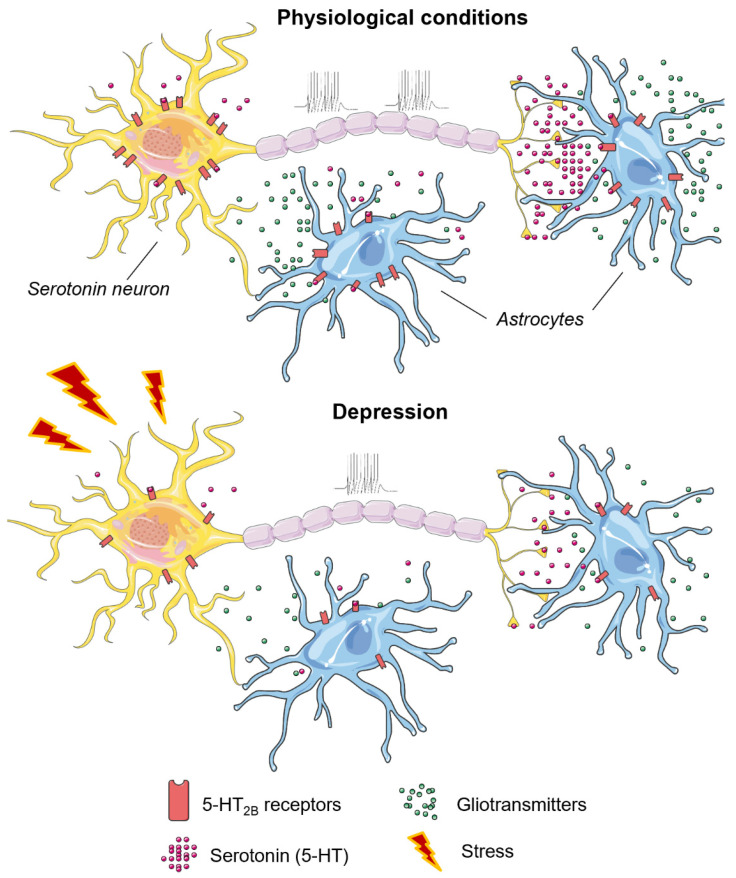
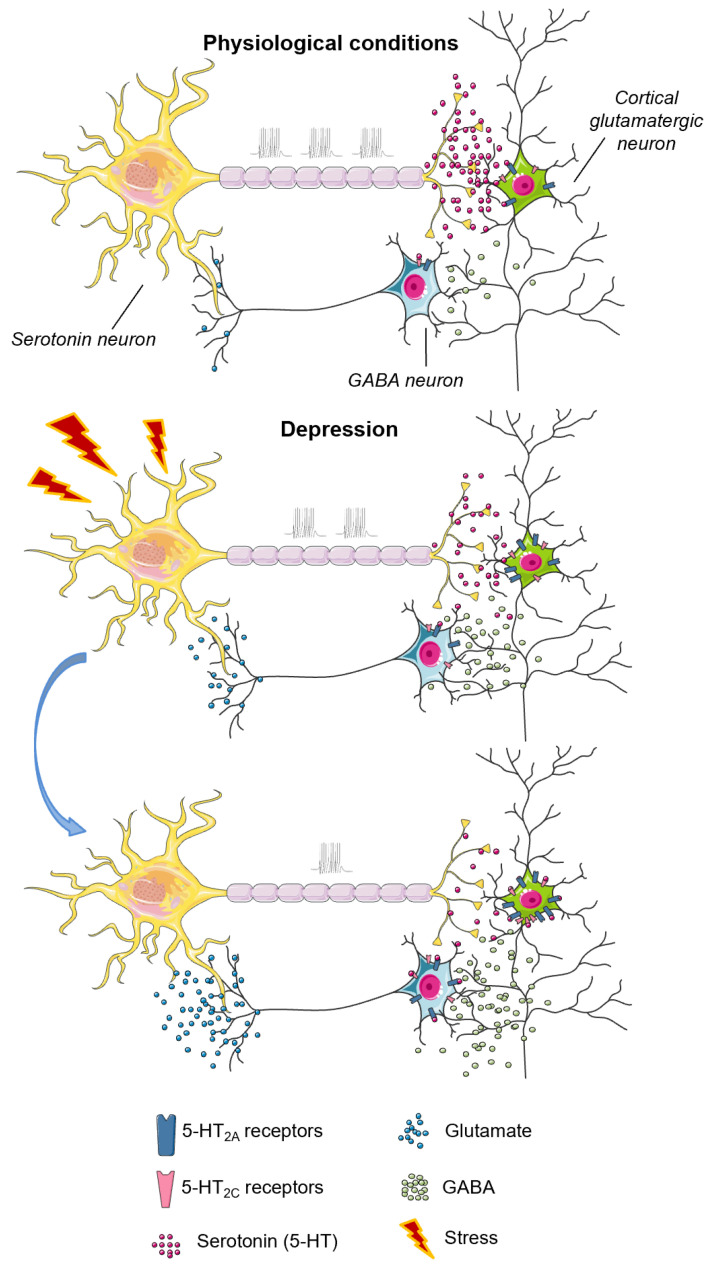
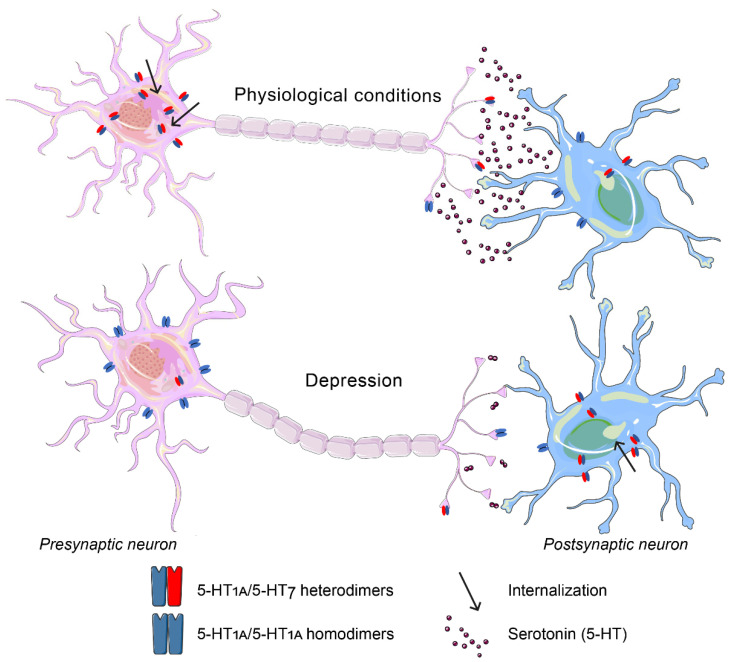
Being different multifactorial forms of psychopathology, aggression, depression and suicidal behavior, which is considered to be violent aggression directed against the self, have principal neurobiological links: preclinical and clinical evidence associates depression, aggression and suicidal behavior with dysregulation in central serotonergic (5-HT) neurotransmission. The implication of different types of 5-HT receptors in the genetic and epigenetic mechanisms of aggression, depression and suicidality has been well recognized. In this review, we consider and compare the orchestra of 5-HT receptors involved in these severe psychopathologies. Specifically, it concentrates on the role of 5-HT1A, 5-HT1B, 5-HT2A, 5-HT2B, 5-HT2C, 5-HT3 and 5-HT7 receptors in the mechanisms underlying the predisposition to aggression, depression and suicidal behavior. The review provides converging lines of evidence that: (1) depression-related 5-HT receptors include those receptors with pro-depressive properties (5-HT2A, 5-HT3 and 5-HT7) as well as those providing an antidepressant effect (5-HT1A, 5-HT1B, 5-HT2C subtypes). (2) Aggression-related 5-HT receptors are identical to depression-related 5-HT receptors with the exception of 5-HT7 receptors. Activation of 5-HT1A, 5-HT1B, 5-HT2A, 5-HT2C receptors attenuate aggressiveness, whereas agonists of 5-HT3 intensify aggressive behavior.
Keywords: aggression; behavior; brain serotonin system; depression; serotonin receptors; suicide.
Conflict of interest statement
The authors declare no conflict of interest.
Figures
References
-
- Linnoila V.M., Virkkunen M. Aggression, suicidality, and serotonin. J. Clin. Psychiatry. 1992;53:46–51. - PubMed
Publication types
MeSH terms
Substances
Grants and funding
LinkOut - more resources
Full Text Sources
Medical
