


Metabolic Profile of Agropyron repens (L.) P. Beauv. Rhizome Herbal Tea by HPLC-PDA-ESI-MS/MS Analysis
- PMID: 35956912
- PMCID: PMC9370816
- DOI: 10.3390/molecules27154962
Metabolic Profile of Agropyron repens (L.) P. Beauv. Rhizome Herbal Tea by HPLC-PDA-ESI-MS/MS Analysis
Abstract
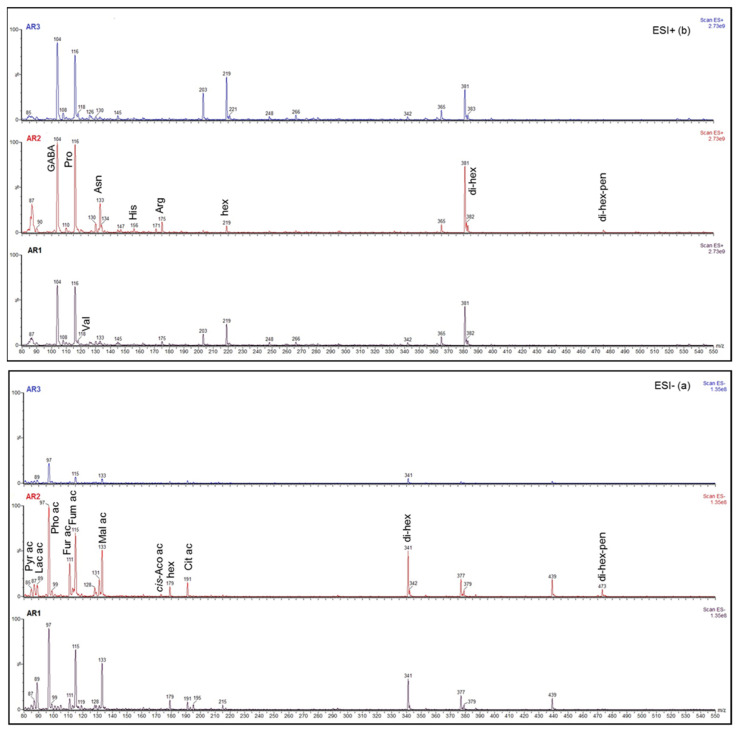
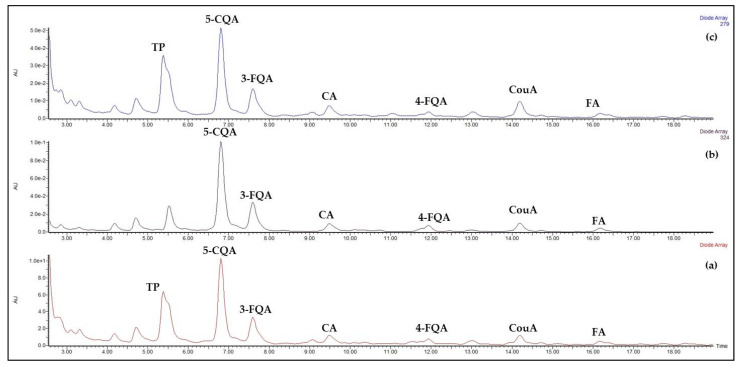
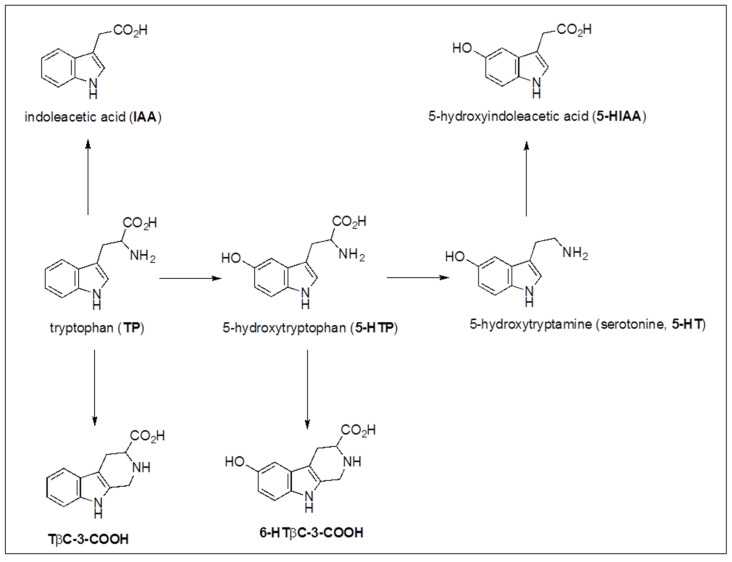
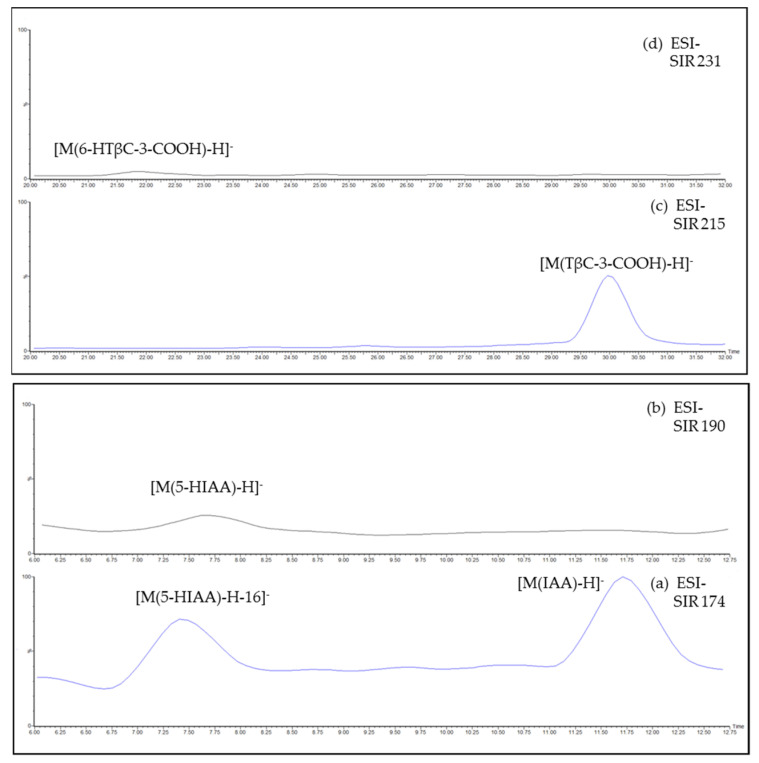
Agropyron repens (L.) P. Beauv. (couch grass) is a world-wide infesting rhizomatous plant with pharmacological applications. Chemical research is focused on its allelopathic and anti-inflammatory components, which are mainly present in the essential oil. Conversely, the aqueous extracts have been sparingly investigated, although the herbal tea is by far the most used formulation. To fill the gap, the metabolic profile of Agropyron repens rhizome herbal tea was investigated by electrospray ionization (ESI) tandem-mass spectrometry (MS/MS); the phenolic profile was investigated by HPLC-PDA-ESI-MS/MS. ESI-MS fingerprinting was provided, evidencing diagnostic ions for saccharides, organic acids and amino acids. The HPLC-PDA-ESI-MS/MS analysis evidenced at least 20 characteristic phenolic compounds, the most representative being caffeoyl and feruloyl quinic esters, followed by coumaric, caffeic and ferulic acids, and hesperidin among flavonoids. In addition, the essential amino acid tryptophan was identified for the first time. The results suggest new perspectives of applications for Agropyron repens rhizome.
Keywords: ESI-MS fingerprinting; amino acids; antioxidants; flavonoids; phenolic acids; saccharides; small organic acids; tryptophan.
Conflict of interest statement
The authors declare no conflict of interest. The funders had no role in the design of the study; in the collection, analyses, or interpretation of data; in the writing of the manuscript; or in the decision to publish the results.
Figures
References
-
- Touchette R., Leroux G.D., Deschênes J.M. Allelopathic activity of quackgrass (Agropyron repens) extracts and residues on alfalafa (Medicago sativa) Can. J. Plant. Sci. 1988;68:785–792. doi: 10.4141/cjps88-091. - DOI
-
- Alosy B.D.M., Thakir M., Khalaf S.A. Role of Agropyron repens extract in treatment renal calculus in pediatric group. Indian J. Forensic Med. Toxicol. 2019;13:405–409. doi: 10.5958/0973-9130.2019.00231.7. - DOI
-
- Tsubanova N.A., Barska A.V., Cherniavski E.S. Clinical efficiency of preparations based on medical plant raw materials in the treatment of urolithiasis. Fam. Med. 2019;81:80–87. doi: 10.30841/2307-5112.1.2019.172217. - DOI
-
- Zimdahl R.L. Allelopathy: Detrimental Effects on Other Plants Growth Due to the Production of Chemical Inhibitors, Fundamentals of Weed Science. 5th ed. Academic Press, Elsevier; Amsterdam, The Netherlands: 2018. pp. 253–270.
MeSH terms
Substances
Grants and funding
LinkOut - more resources
Full Text Sources
Miscellaneous
