


Lipase-Catalyzed Synthesis, Antioxidant Activity, Antimicrobial Properties and Molecular Docking Studies of Butyl Dihydrocaffeate
- PMID: 35956977
- PMCID: PMC9370587
- DOI: 10.3390/molecules27155024
Lipase-Catalyzed Synthesis, Antioxidant Activity, Antimicrobial Properties and Molecular Docking Studies of Butyl Dihydrocaffeate
Abstract
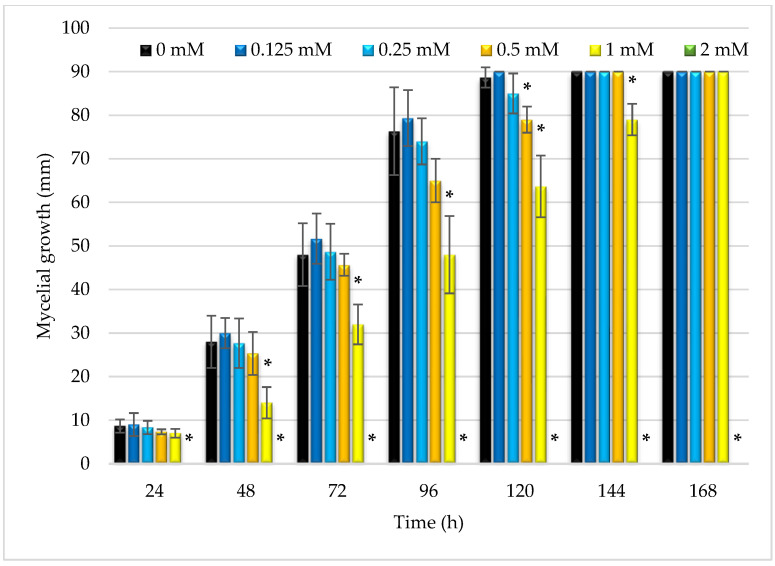
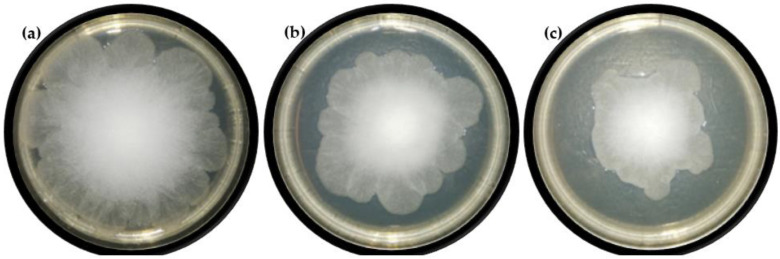
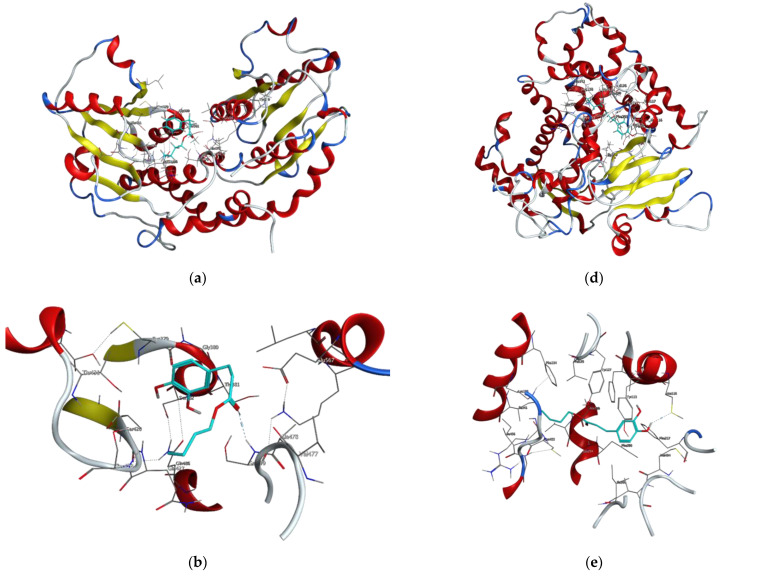
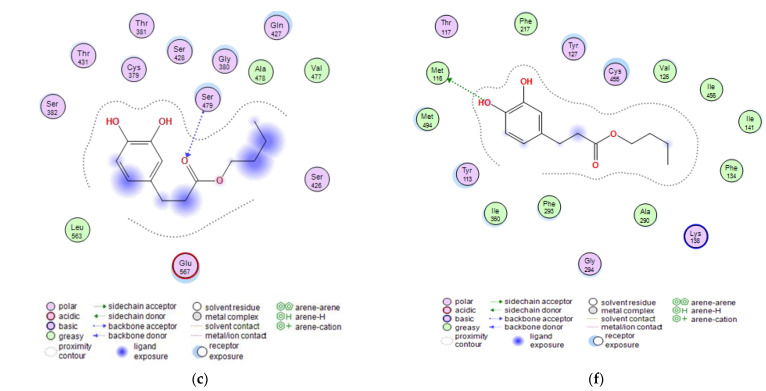
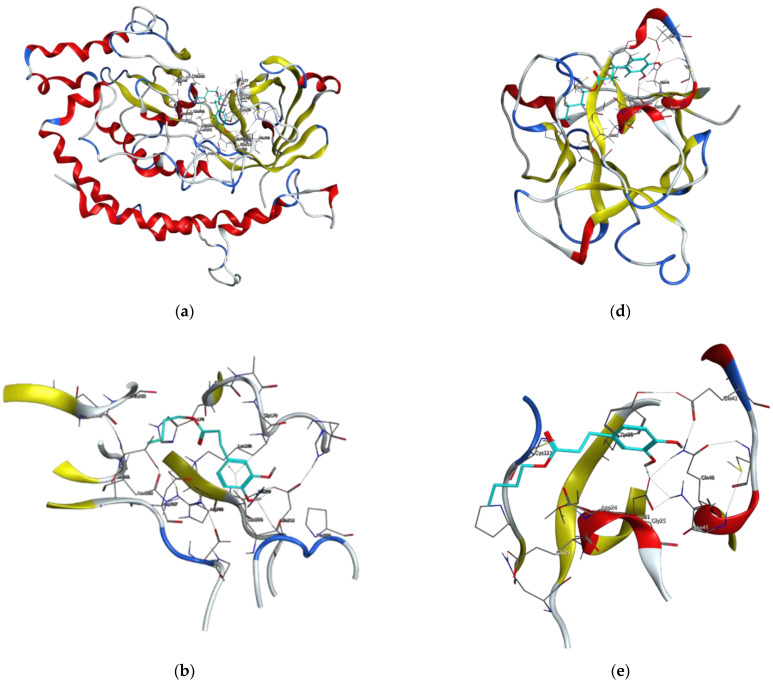
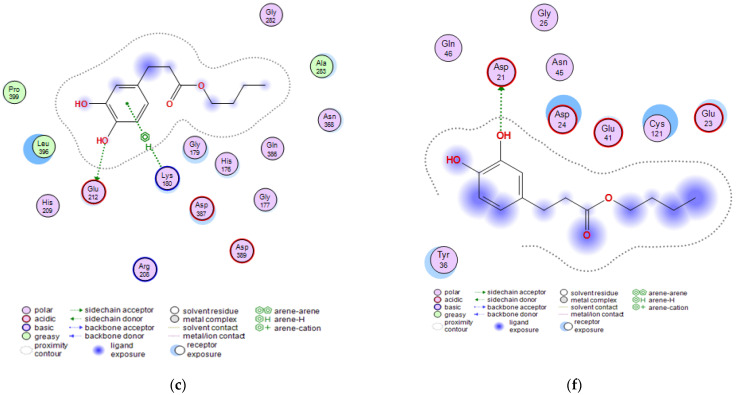
Green chemistry approaches, such as lipase-catalyzed esterification, are promising methods for obtaining valuable chemical compounds. In the case of the use of lipases, unlike in aqueous environments, the processes of the ester bond formations are encountered in organic solvents. The aim of the current research was to carry out the lipase-catalyzed synthesis of an ester of dihydrocaffeic acid. The synthesized compound was then evaluated for antioxidant and antimicrobial activities. However, the vast majority of its antioxidant activity was retained, which was demonstrated by means of DPPH· (2,2-diphenyl-1-picrylhydrazyl) and CUPRAC (cupric ion reducing antioxidant capacity) methods. Regarding its antimicrobial properties, the antifungal activity against Rhizopus oryzae is worth mentioning. The minimum inhibitory and fungicidal concentrations were 1 and 2 mM, respectively. The high antifungal activity prompted the use of molecular docking studies to verify potential protein targets for butyl ester of dihydrocaffeic ester. In the case of one fungal protein, namely 14-α sterol demethylase B, it was observed that the ester had comparable binding energy to the triazole medication, isavuconazole, but the interacted amino acid residues were different.
Keywords: Rhizopus oryzae; antifungal activity; butyl dihydrocaffeate; lipase-catalyzed synthesis; lipophilization; molecular docking.
Conflict of interest statement
The authors declare no conflict of interest.
Figures

References
-
- Oliveira M.M., Ratti B.A., Dare R.G., Silva S.O., Truiti M.C.T., Ueda-Nakamura T., Auzely-Velty R., Nakamura C.V. Dihydrocaffeic Acid Prevents UVB-Induced Oxidative Stress Leading to the Inhibition of Apoptosis and MMP-1 Expression via p38 Signaling Pathway. Oxid. Med. Cell. Longev. 2019;2019:2419096. doi: 10.1155/2019/2419096. - DOI - PMC - PubMed
-
- Moon J.H., Terao J. Antioxidant Activity of Caffeic Acid and Dihydrocaffeic Acid in Lard and Human Low-Density Lipoprotein. J. Agric. Food Chem. 1998;46:5062–5065. doi: 10.1021/jf9805799. - DOI
-
- Baeza G., Sarria B., Mateos R., Bravo L. Dihydrocaffeic acid, a major microbial metabolite of chlorogenic acids, shows similar protective effect than a yerba mate phenolic extract against oxidative stress in HepG2 cells. Food Res. Int. 2018;87:25–33. doi: 10.1016/j.foodres.2016.06.011. - DOI - PubMed
MeSH terms
Substances
LinkOut - more resources
Full Text Sources
