


The duration of postoperative analgesic use after total knee arthroplasty and nomogram for predicting prolonged analgesic use
- PMID: 35959127
- PMCID: PMC9360610
- DOI: 10.3389/fsurg.2022.911864
The duration of postoperative analgesic use after total knee arthroplasty and nomogram for predicting prolonged analgesic use
Abstract
Background: Total knee arthroplasty is currently a reliable treatment for end-stage knee osteoarthritis. However, chronic postsurgical pain (CPSP) is substantially thought to reduce patient satisfaction. NSAID-based oral analgesics were used to manage CPSP, but research on the duration of postoperative analgesic use (DAU) and prolonged analgesic use (PAU) are presently scarce.
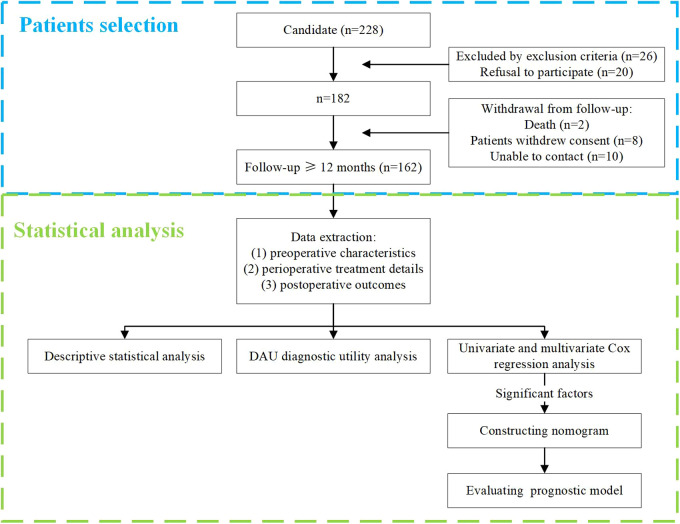
Methods: Preoperative, perioperative, and one-year or above postoperative follow-up data were collected from 162 patients who underwent total knee arthroplasty between 1 June 2018 and 1 March 2019, and the DAU and the discontinuation time of each patient after discharge were recorded. Observational statistical analysis, diagnostic test, and predictive nomogram construction were performed on the collected data.
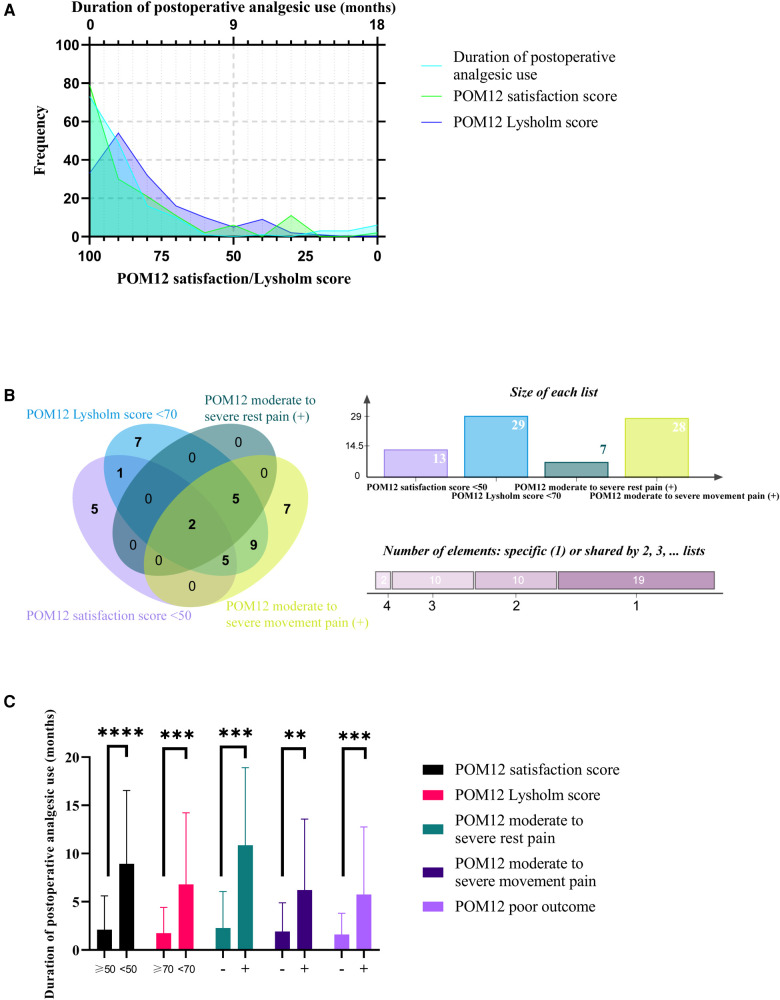
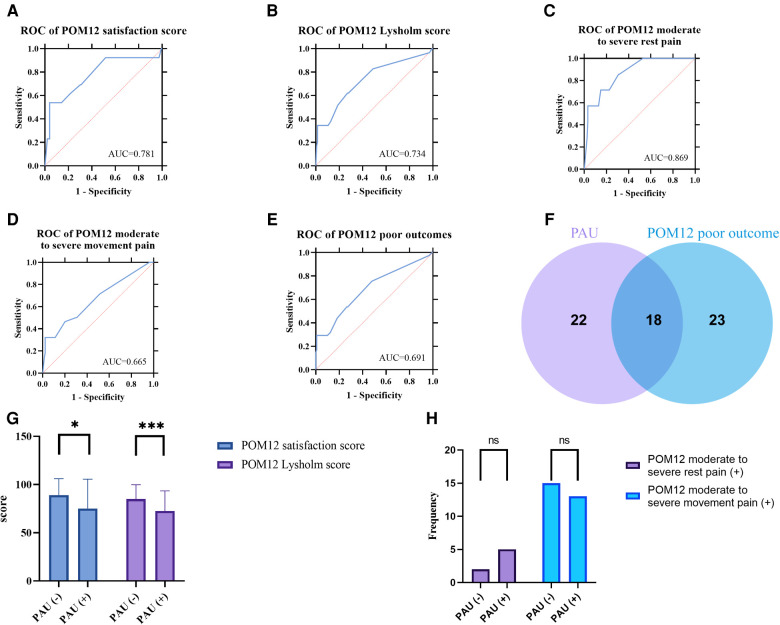
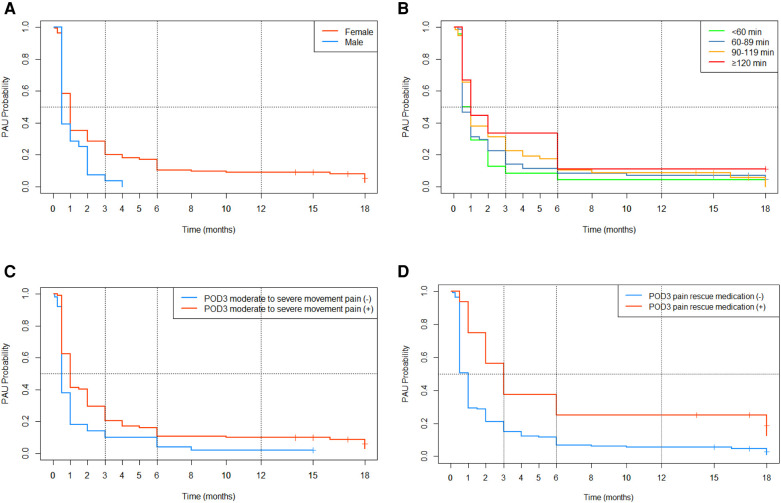
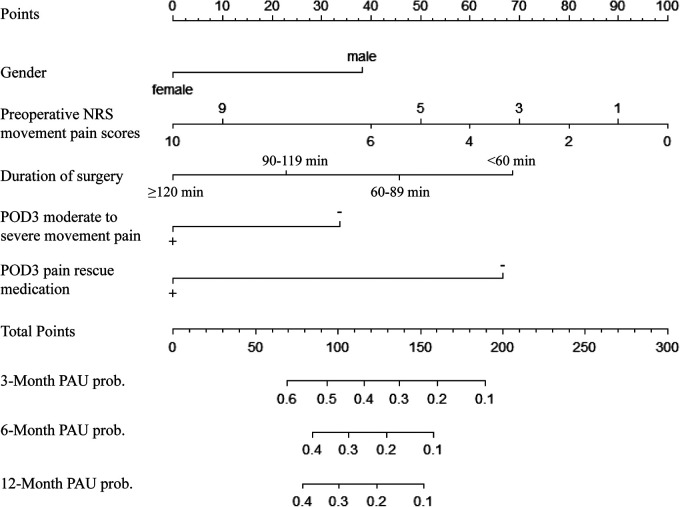
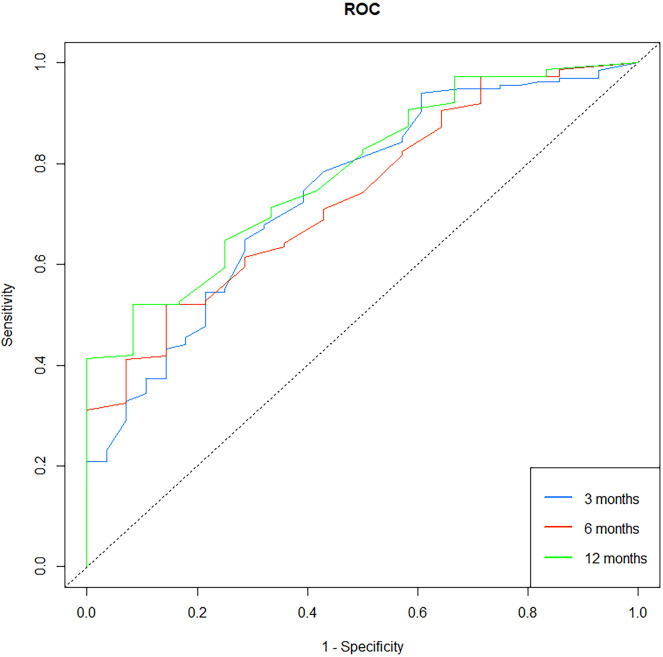
Results: The 3-month DAU has good diagnostic utility for poor outcome of postoperative months twelve (POM12). The constructed nomogram shows that gender, preoperative Numeric Rating Scale (NRS) movement pain scores, duration of surgery, postoperative days three (POD3) moderate to severe movement pain, and POD3 pain rescue medication were significant prognostic predictors of PAU after discharge. The area under the curve (AUC) of the 3-month, 6-month, and 12-month nomogram receiver operating characteristic (ROC) curves were calculated to be 0.741, 0.736, and 0.781.
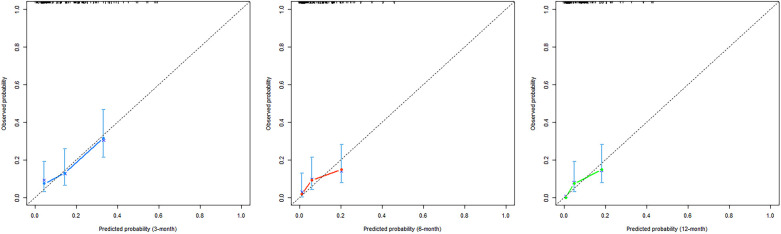
Conclusion: PAU was defined as more than three months of NSAID-based oral analgesic use after TKA. Prognostic predictors of PAU after TKA were identified, and visualized nomogram was plotted and evaluated. The evaluation indicated that the prediction model had the good predictive ability and was a valuable tool for predicting PAU after discharge.
Keywords: Arthroplasty; NSAID; analgesic use; nomogram; postsurgical pain.
© 2022 Zhang, Li, Su, Ge, Cheng and Tian.
Conflict of interest statement
The authors declare that the research was conducted in the absence of any commercial or financial relationships that could be construed as a potential conflict of interest.
Figures
References
-
- Dubljanin Raspopović E, Meissner W, Zaslansky R, Kadija M, Tomanović Vujadinović S, Tulić G. Associations between early postoperative pain outcome measures and late functional outcomes in patients after knee arthroplasty. PLoS One. (2021) 16(7):e0253147. 10.1371/journal.pone.0253147 - DOI - PMC - PubMed
LinkOut - more resources
Full Text Sources
