


Positive symptoms of schizophrenia and their relationship with cognitive and emotional executive functions
- PMID: 35960384
- PMCID: PMC9374871
- DOI: 10.1186/s41235-022-00428-z
Positive symptoms of schizophrenia and their relationship with cognitive and emotional executive functions
Abstract
Background: Positive symptoms of schizophrenia are associated with significant difficulties in daily functioning, and these difficulties have been associated with impaired executive functions (EEFF). However, specific cognitive and socio-emotional executive deficits have not been fully established.
Objective: The present study has several objectives. First, we aimed to examine the specific deficits in cognitive and socio-emotional EEFF in a group of patients with schizophrenia with a predominance of positive symptoms, as well as to determine if these patients present clinically significant scores in any of the three fronto-subcortical behavioral syndromes: Dorsolateral, Orbitofrontal, or Anterior Cingulate.
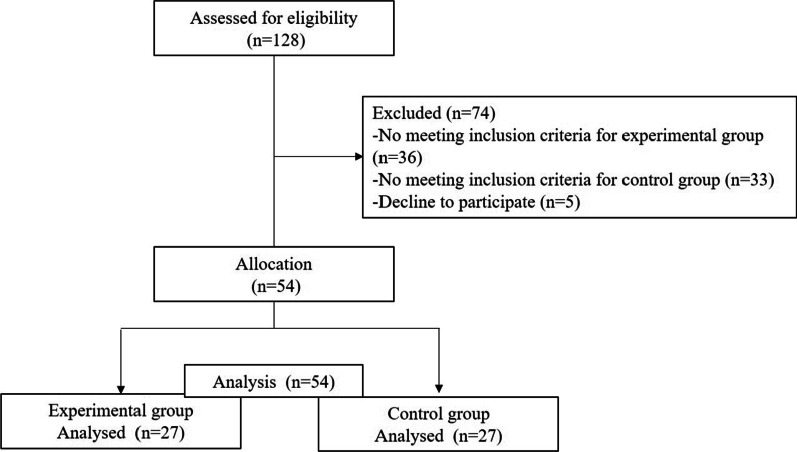
Method: The sample consisted of 54 patients, 27 with a predominance of positive symptoms, and 27 healthy controls matched for gender, age, and education. The two groups completed four cognitive and three socio-emotional EEFF tasks. In the group of patients, positive symptoms were evaluated using the scale for the Evaluation of Positive Symptoms (SANS), while the behavioral alterations associated with the three fronto-subcortical syndromes were evaluated using the Frontal System Behavior Scale (FrSBe).
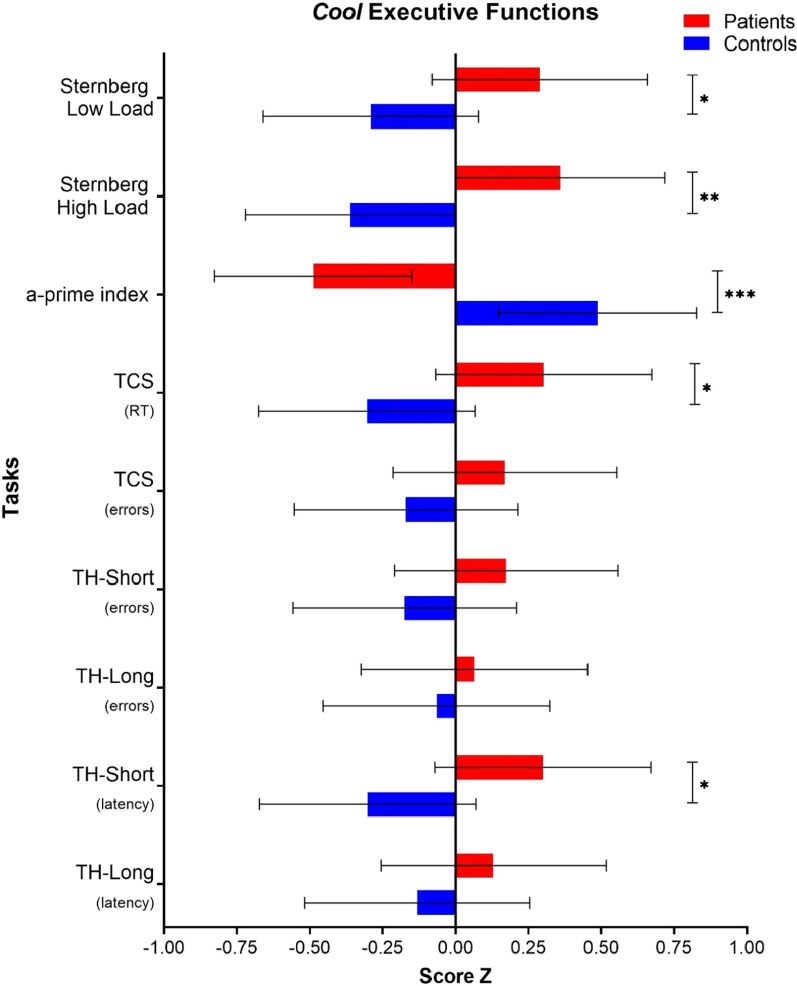
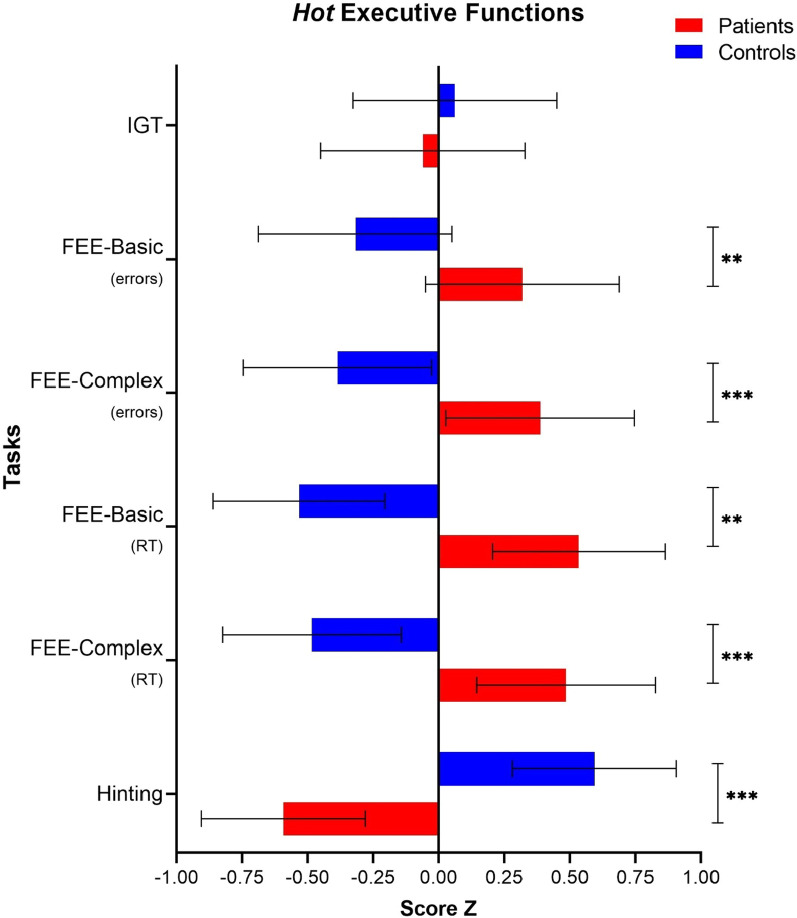
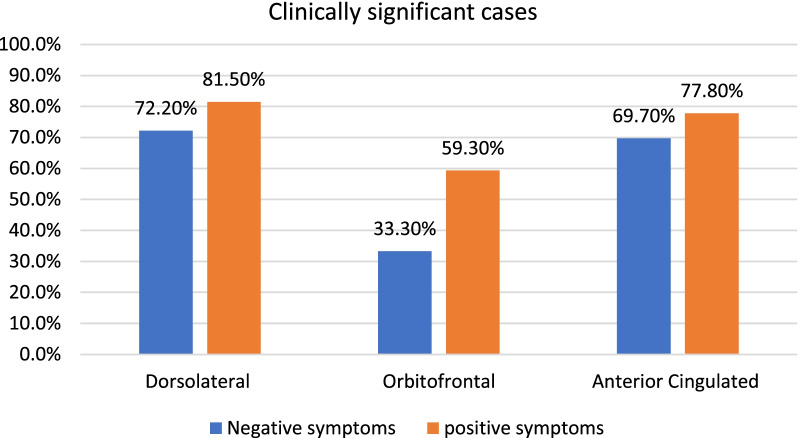
Results: The patients, in comparison with a control group, presented specific deficits in cognitive and socio-emotional EEFF. In addition, a high percentage of patients presented clinically significant scores on the three fronto-subcortical syndromes.
Conclusion: The affectation that these patients present, in terms of both cognitive and emotional components, highlights the importance of developing a neuropsychological EEFF intervention that promotes the recovery of the affected cognitive capacities and improves the social and emotional functioning of the affected patients.
Keywords: Cognitive executive functions; Socio-emotional executive functions; Schizophrenia; Fronto-subcortical syndromes; Positive symptoms.
© 2022. The Author(s).
Conflict of interest statement
The authors declare that they have no competing interests.
Figures
References
-
- Abu-Akel A. Impaired theory of mind in schizophrenia. Pragmatics & CognitionPragmatics and Cognition. 1999;7(2):247–282. doi: 10.1075/pc.7.2.02abu. - DOI
-
- Allport DA, Styles EA, Hsieh S. Shifting intentional set: Exploring the dynamic control of tasks. In: Umilta C, Moscovitch M, editors. Attention and Performance IV. MIT Press; 1994. pp. 421–452.