


Use of genetically modified lactic acid bacteria and bifidobacteria as live delivery vectors for human and animal health
- PMID: 35960855
- PMCID: PMC9377234
- DOI: 10.1080/19490976.2022.2110821
Use of genetically modified lactic acid bacteria and bifidobacteria as live delivery vectors for human and animal health
Abstract
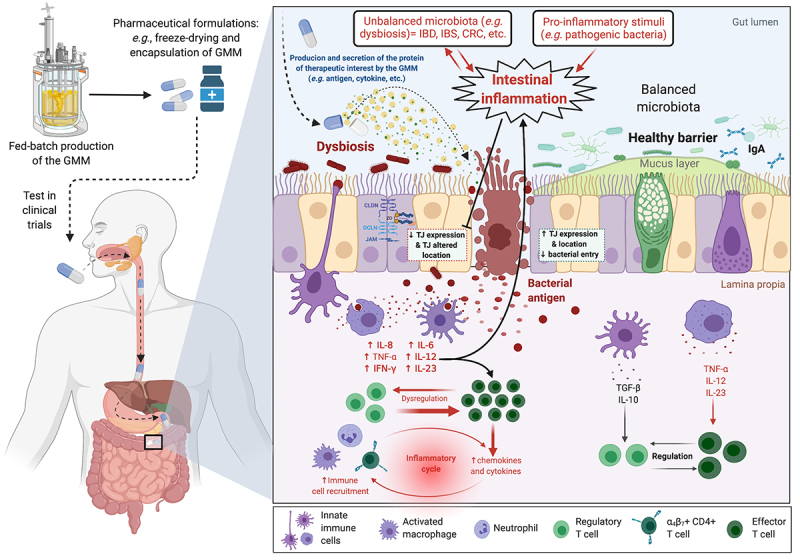
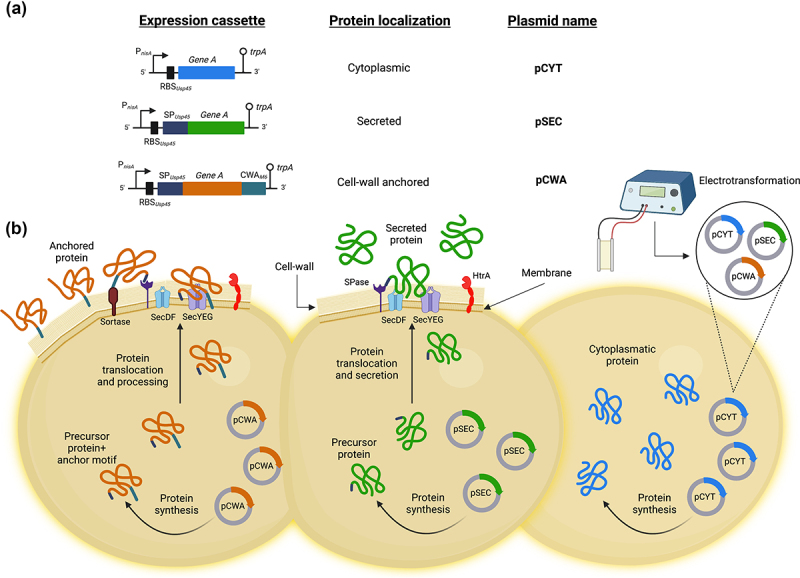
There is now strong evidence to support the interest in using lactic acid bacteria (LAB)in particular, strains of lactococci and lactobacilli, as well as bifidobacteria, for the development of new live vectors for human and animal health purposes. LAB are Gram-positive bacteria that have been used for millennia in the production of fermented foods. In addition, numerous studies have shown that genetically modified LAB and bifodobacteria can induce a systemic and mucosal immune response against certain antigens when administered mucosally. They are therefore good candidates for the development of new mucosal delivery strategies and are attractive alternatives to vaccines based on attenuated pathogenic bacteria whose use presents health risks. This article reviews the most recent research and advances in the use of LAB and bifidobacteria as live delivery vectors for human and animal health.
Keywords: Lactic acid bacteria; bifidobacteria; lactobacillus spp; lactococcus lactis; live delivery vectors; mucosal vaccines.
Conflict of interest statement
No potential conflict of interest was reported by the author(s).
Figures
References
Publication types
MeSH terms
Substances
LinkOut - more resources
Full Text Sources
Other Literature Sources
Medical
Miscellaneous
