


Genomic and transcriptomic profiling of phoenix colonies
- PMID: 35962051
- PMCID: PMC9374717
- DOI: 10.1038/s41598-022-18059-1
Genomic and transcriptomic profiling of phoenix colonies
Abstract
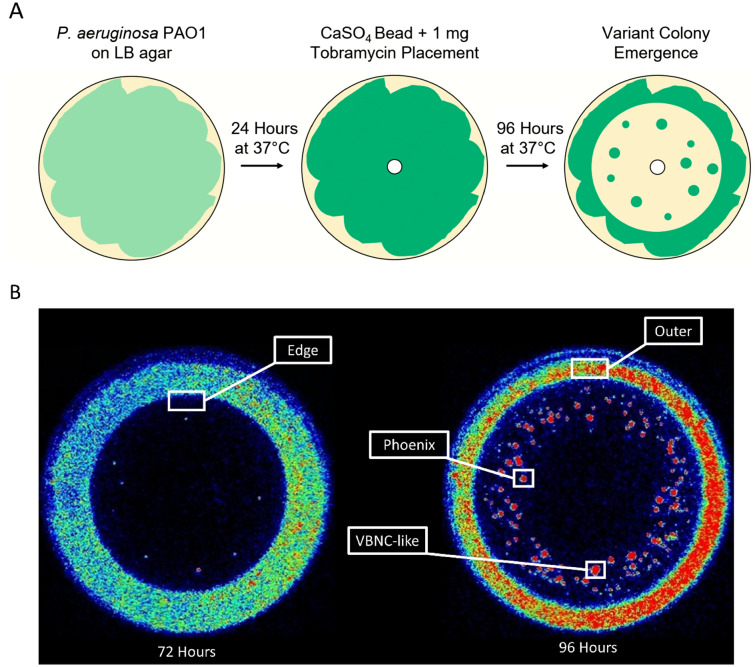
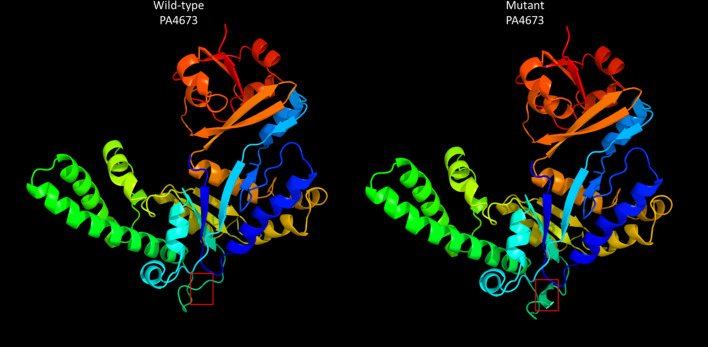
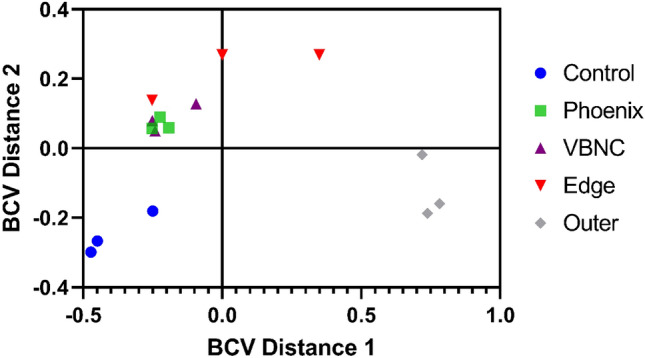
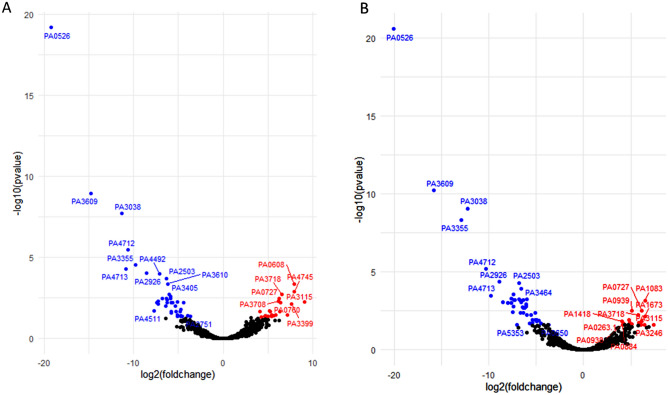
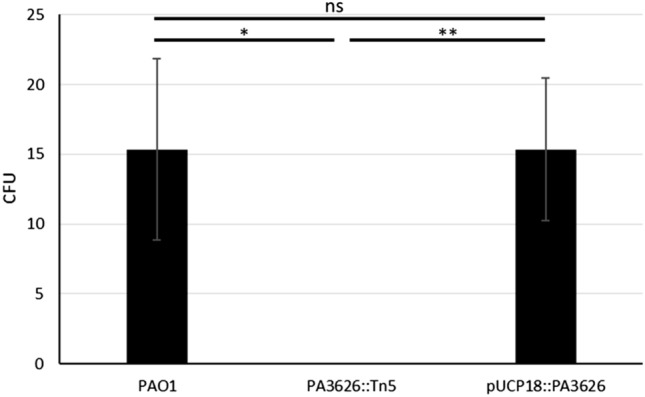
Pseudomonas aeruginosa is a Gram-negative bacterium responsible for numerous human infections. Previously, novel antibiotic tolerant variants known as phoenix colonies as well as variants similar to viable but non-culturable (VBNC) colonies were identified in response to high concentrations of aminoglycosides. In this study, the mechanisms behind phoenix colony and VBNC-like colony emergence were further explored using both whole genome sequencing and RNA sequencing. Phoenix colonies were found to have a single nucleotide polymorphism (SNP) in the PA4673 gene, which is predicted to encode a GTP-binding protein. No SNPs were identified within VBNC-like colonies compared to the founder population. RNA sequencing did not detect change in expression of PA4673 but revealed multiple differentially expressed genes that may play a role in phoenix colony emergence. One of these differentially expressed genes, PA3626, encodes for a tRNA pseudouridine synthase which when knocked out led to a complete lack of phoenix colonies. Although not immediately clear whether the identified genes in this study may have interactions which have not yet been recognized, they may contribute to the understanding of how phoenix colonies are able to emerge and survive in the presence of antibiotic exposure.
© 2022. The Author(s).
Conflict of interest statement
The authors declare no competing interests.
Figures
References
-
- Lewis K. Multidrug tolerance of biofilms and persister cells. Curr. Top Microbiol. Immunol. 2008;322:107–131. - PubMed
Publication types
MeSH terms
Substances
Grants and funding
LinkOut - more resources
Full Text Sources
Molecular Biology Databases
