


The Effect of Routine Management Combined with Case Management Model on Social Support, Self-Efficacy, Self-Management Ability, and Psychological Flexibility of AIDS Patients
- PMID: 35966241
- PMCID: PMC9371859
- DOI: 10.1155/2022/9213877
The Effect of Routine Management Combined with Case Management Model on Social Support, Self-Efficacy, Self-Management Ability, and Psychological Flexibility of AIDS Patients
Retraction in
-
Retracted: The Effect of Routine Management Combined with Case Management Model on Social Support, Self-Efficacy, Self-Management Ability, and Psychological Flexibility of AIDS Patients.Comput Math Methods Med. 2023 Jun 28;2023:9820253. doi: 10.1155/2023/9820253. eCollection 2023. Comput Math Methods Med. 2023. PMID: 37416130 Free PMC article.
Abstract
Objective: To explore the influence of conventional management combined with case management on social support and self-efficacy of AIDS patients.
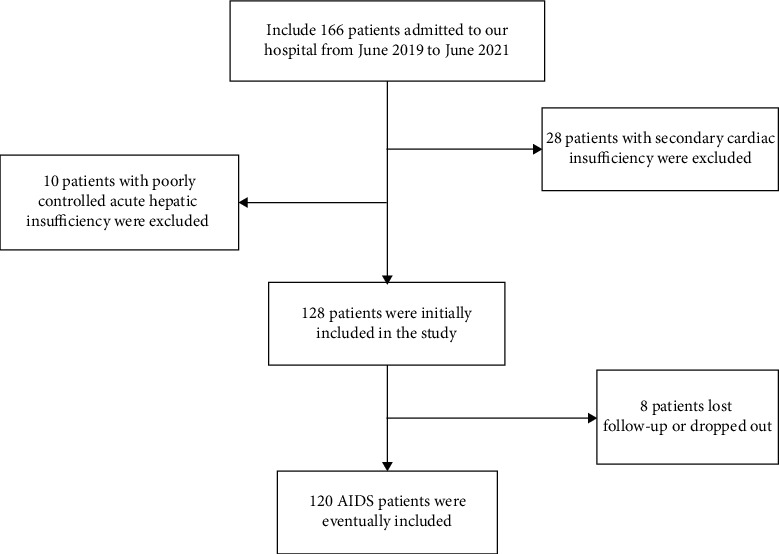
Methods: The clinical case data of 120 AIDS patients who were treated and nursed in our hospital from June 2019 to June 2021 were selected as the research objects and were divided into the control group and the observation group according to the digital table method, with 60 cases each. The control group implements routine management, and the observation group implements case-based nursing management on this basis and compares the effects of self-efficacy, self-management ability, nursing ability, social support, and psychological flexibility of the two groups of patients.
Results: Before the intervention, the quality of life scores of the two groups was not statistically significant (P > 0.05). After the intervention, the physical function score, pain management score, and symptom response score of the observation group were significantly higher than those of the control group, and statistics showed that the difference was statistically significant (P < 0.05). Before the intervention, the self-management ability of the two groups of patients was not statistically significant (P > 0.05). After the intervention, the observation group's symptom management, emotional cognition management, social support and assistance, daily life management, disease knowledge management, and treatment compliance management were significantly higher than those of the control group. Statistics show that this difference is statistically significant (P < 0.05). Before the intervention, there was no significant difference in the nursing ability and psychological flexibility between the two groups of patients (P > 0.05). After the intervention, the observation group's health knowledge level, self-care skills, self-care responsibility, self-concept, and mental flexibility (resilience, strength, optimism) indicators were higher than the control group, while the depression mood disorder score was significantly lower than the control group; statistics showed that this difference was statistically significant (P < 0.05).
Conclusion: Routine management combined with case-based nursing management can effectively improve the self-management ability and psychological flexibility of AIDS patients, improve patient care ability and self-efficacy, and provide certain reference value for effective management of AIDS patients.
Copyright © 2022 Li Liu et al.
Conflict of interest statement
The authors declare that they have no conflicts of interest.
Figures
References
-
- Lolekha R., Pavaputanon P., Puthanakit T., et al. Implementation of an active case management network to identify HIV-positive infants and accelerate the initiation of antiretroviral therapy, Thailand 2015 to 2018. Journal of the International AIDS Society . 2020;23(2, article e25450) doi: 10.1002/jia2.25450. - DOI - PMC - PubMed
Publication types
MeSH terms
LinkOut - more resources
Full Text Sources
Medical
