


Transcriptional dynamics and epigenetic regulation of E and ID protein encoding genes during human T cell development
- PMID: 35967340
- PMCID: PMC9366357
- DOI: 10.3389/fimmu.2022.960918
Transcriptional dynamics and epigenetic regulation of E and ID protein encoding genes during human T cell development
Abstract
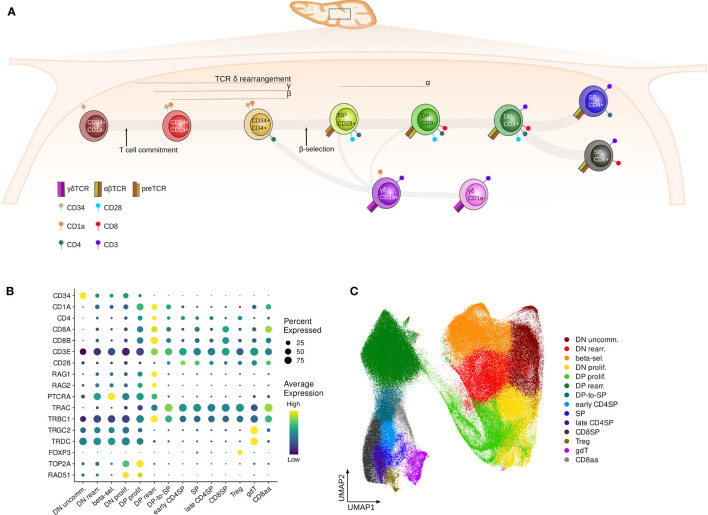
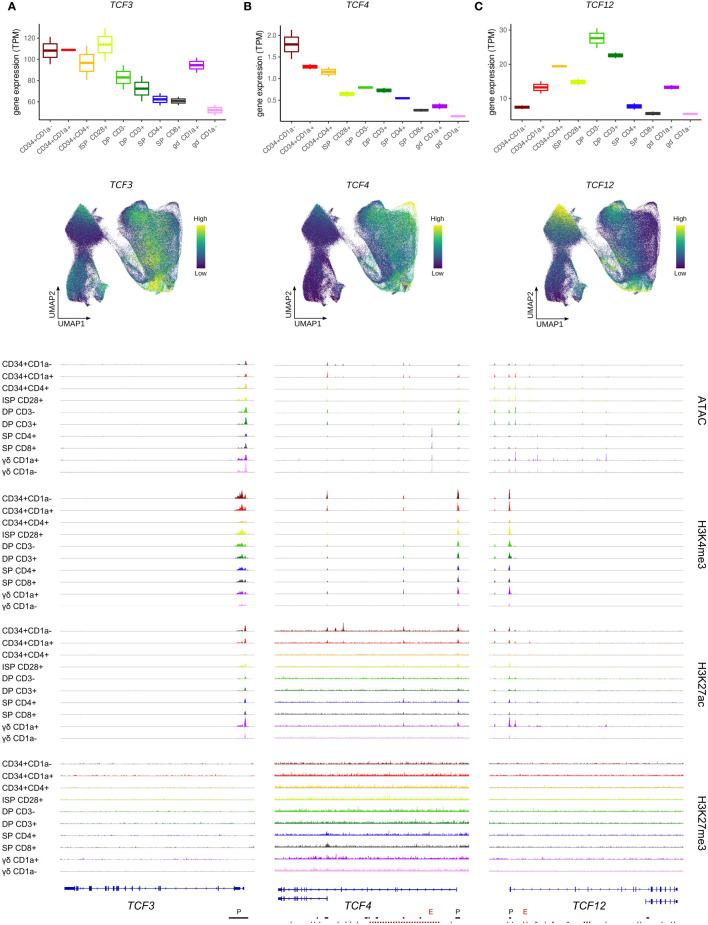
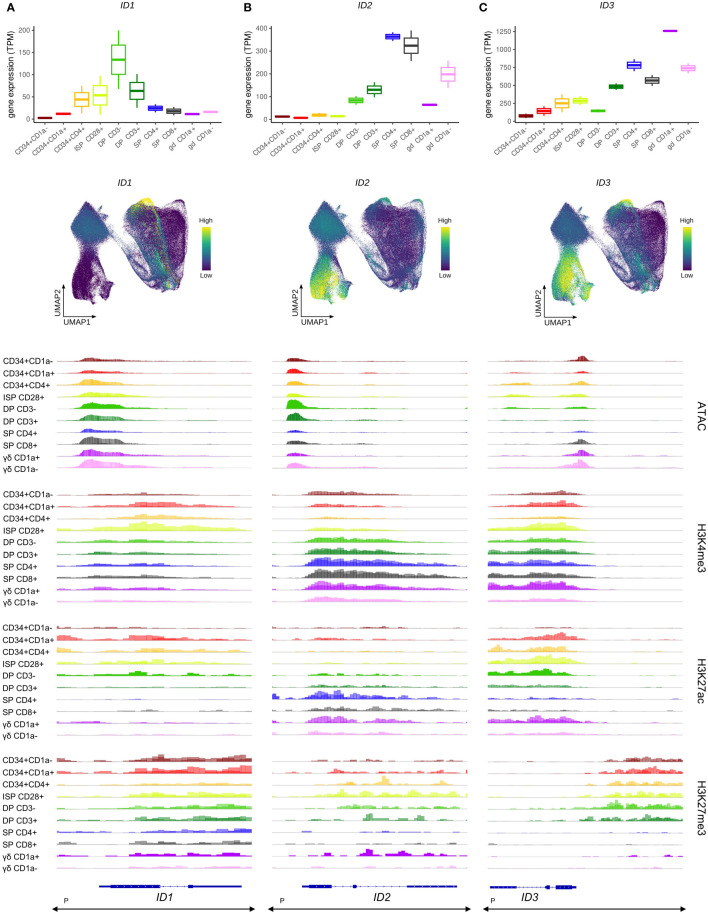
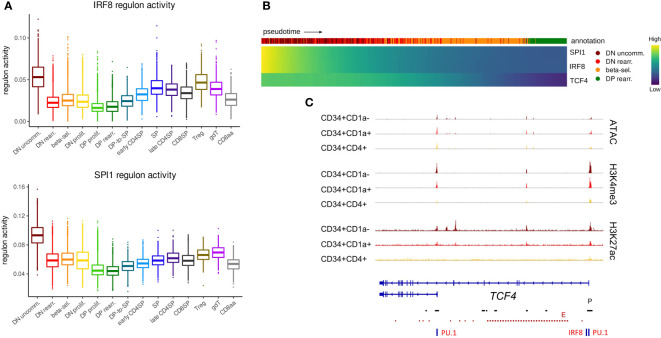
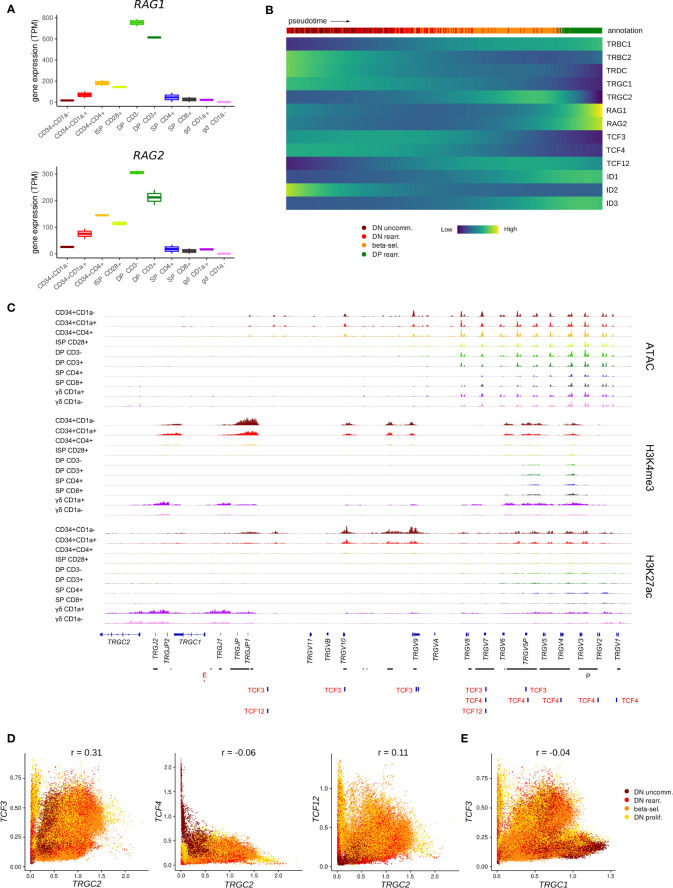
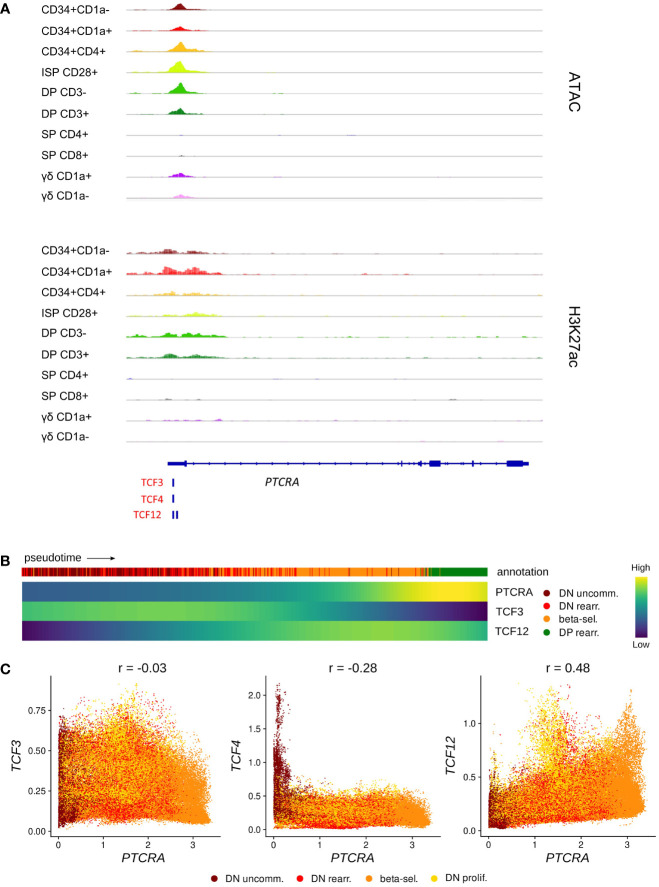
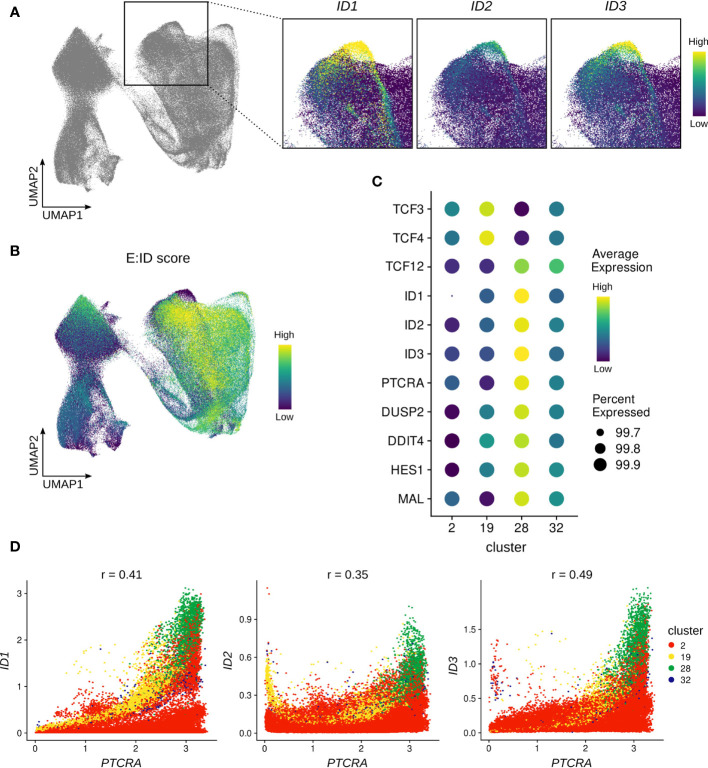
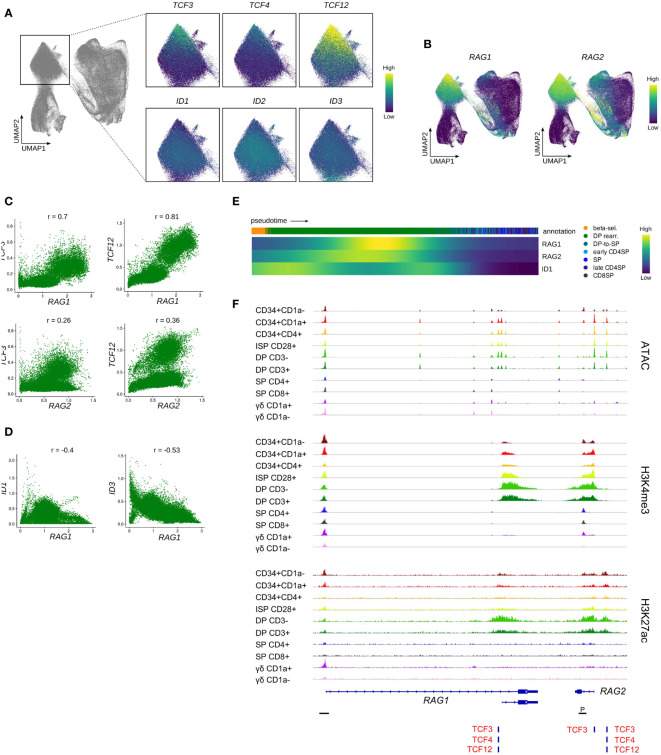
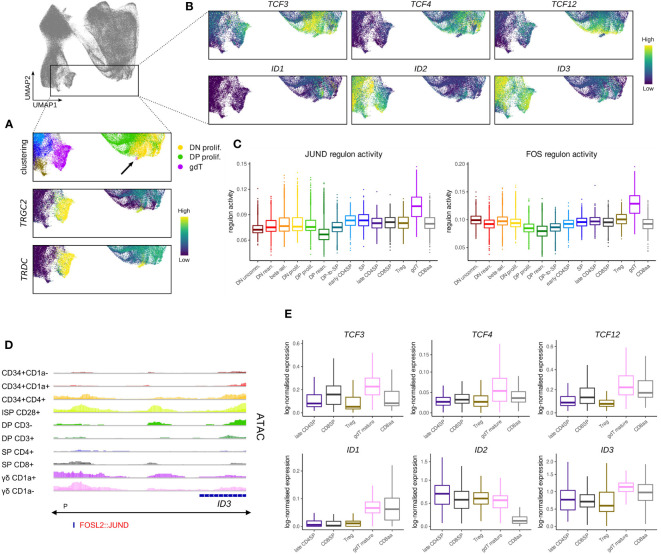
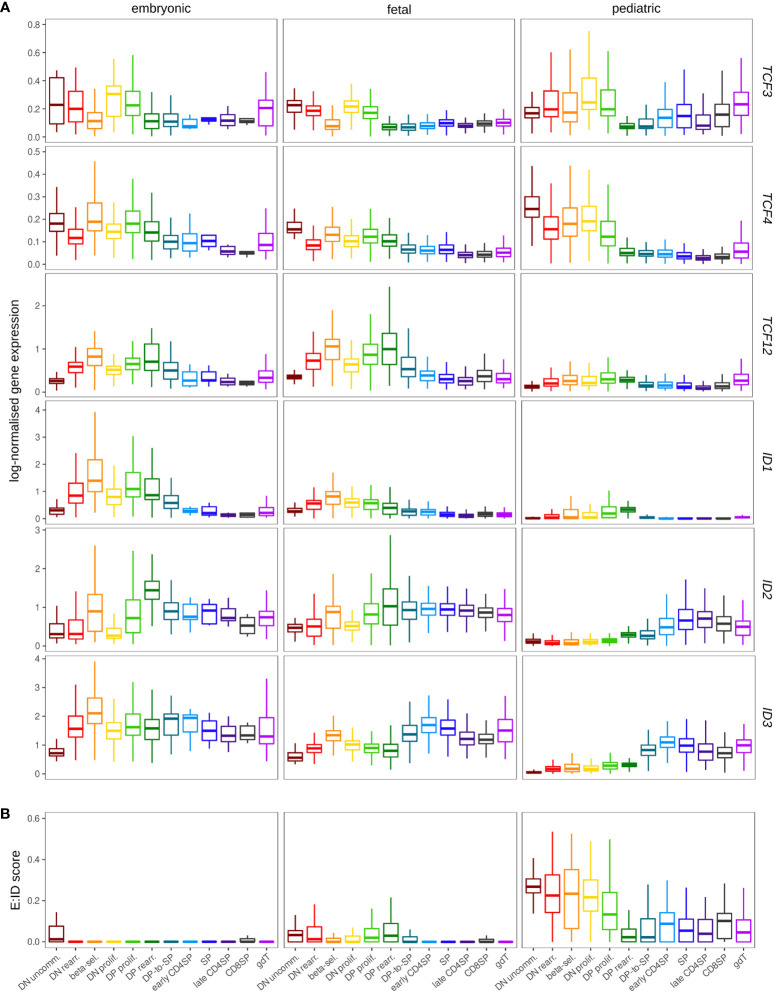
T cells are generated from hematopoietic stem cells through a highly organized developmental process, in which stage-specific molecular events drive maturation towards αβ and γδ T cells. Although many of the mechanisms that control αβ- and γδ-lineage differentiation are shared between human and mouse, important differences have also been observed. Here, we studied the regulatory dynamics of the E and ID protein encoding genes during pediatric human T cell development by evaluating changes in chromatin accessibility, histone modifications and bulk and single cell gene expression. We profiled patterns of ID/E protein activity and identified up- and downstream regulators and targets, respectively. In addition, we compared transcription of E and ID protein encoding genes in human versus mouse to predict both shared and unique activities in these species, and in prenatal versus pediatric human T cell differentiation to identify regulatory changes during development. This analysis showed a putative involvement of TCF3/E2A in the development of γδ T cells. In contrast, in αβ T cell precursors a pivotal pre-TCR-driven population with high ID gene expression and low predicted E protein activity was identified. Finally, in prenatal but not postnatal thymocytes, high HEB/TCF12 levels were found to counteract high ID levels to sustain thymic development. In summary, we uncovered novel insights in the regulation of E and ID proteins on a cross-species and cross-developmental level.
Keywords: E proteins; ID proteins; T cell development; epigenetics; gene regulation; gene regulatory networks; human; thymocytes.
Copyright © 2022 Roels, Van Hulle, Lavaert, Kuchmiy, Strubbe, Putteman, Vandekerckhove, Leclercq, Van Nieuwerburgh, Boehme and Taghon.
Conflict of interest statement
The authors declare that the research was conducted in the absence of any commercial or financial relationships that could be construed as a potential conflict of interest.
Figures
References
Publication types
MeSH terms
Substances
LinkOut - more resources
Full Text Sources
Molecular Biology Databases
