Systemic inflammation after stroke: implications for post-stroke comorbidities
- PMID: 35971650
- PMCID: PMC9449596
- DOI: 10.15252/emmm.202216269
Systemic inflammation after stroke: implications for post-stroke comorbidities
Abstract
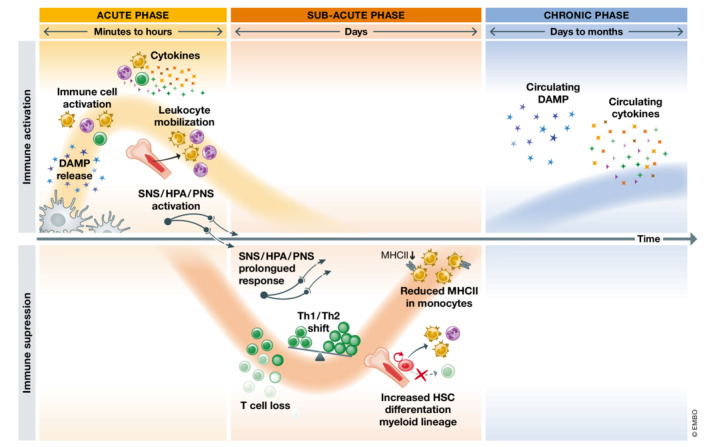
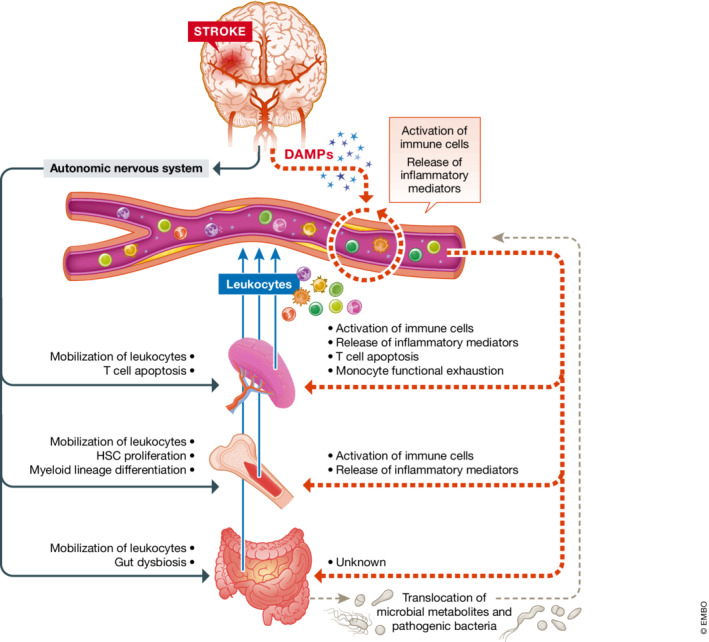
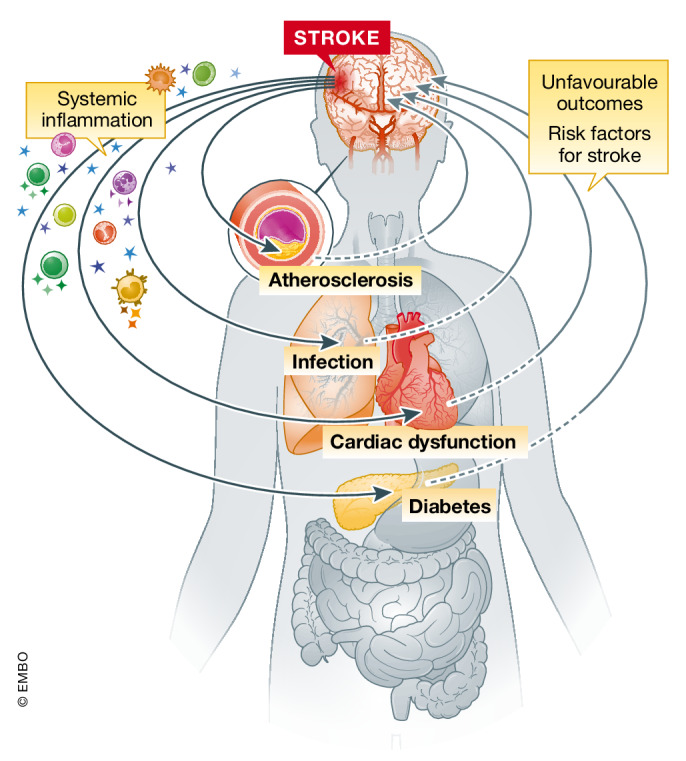
Immunological mechanisms have come into the focus of current translational stroke research, and the modulation of neuroinflammatory pathways has been identified as a promising therapeutic approach to protect the ischemic brain. However, stroke not only induces a local neuroinflammatory response but also has a profound impact on systemic immunity. In this review, we will summarize the consequences of ischemic stroke on systemic immunity at all stages of the disease, from onset to long-term outcome, and discuss underlying mechanisms of systemic brain-immune communication. Furthermore, since stroke commonly occurs in patients with multiple comorbidities, we will also overview the current understanding of the potential role of systemic immunity in common stroke-related comorbidities, such as cardiac dysfunction, atherosclerosis, diabetes, and infections. Finally, we will highlight how targeting systemic immunity after stroke could improve long-term outcomes and alleviate comorbidities of stroke patients.
Keywords: inflammation; long-term outcome; post-stroke comorbidities; stroke; systemic immunity.
© 2022 The Authors. Published under the terms of the CC BY 4.0 license.
Figures
References
-
- Alishahi M, Farzaneh M, Ghaedrahmati F, Nejabatdoust A, Sarkaki A, Khoshnam SE (2019) NLRP3 inflammasome in ischemic stroke: as possible therapeutic target. Int J Stroke 14: 574–591 - PubMed
Publication types
MeSH terms
LinkOut - more resources
Full Text Sources
Medical