


Parental Keratoconus Literacy: A Socioeconomic Perspective
- PMID: 35974902
- PMCID: PMC9375995
- DOI: 10.2147/OPTH.S375405
Parental Keratoconus Literacy: A Socioeconomic Perspective
Abstract
Purpose: To assess the impact of parental socioeconomic status and keratoconus literacy on pediatric eye rubbing and keratoconus severity.
Methods: In this mixed-methods study, pediatric keratoconus patients (age ≤ 18 years) were retrospectively identified. Sociodemographic and clinical characteristics were extracted from the electronic medical record (EMR). Telephone surveys were subsequently conducted to assess parental keratoconus literacy, receipt of counseling on keratoconus prevention, eye rubbing, and household socioeconomic factors not available in the EMR. Parents reporting poor keratoconus literacy were probed via semi-structured interview to explore barriers to their understanding.
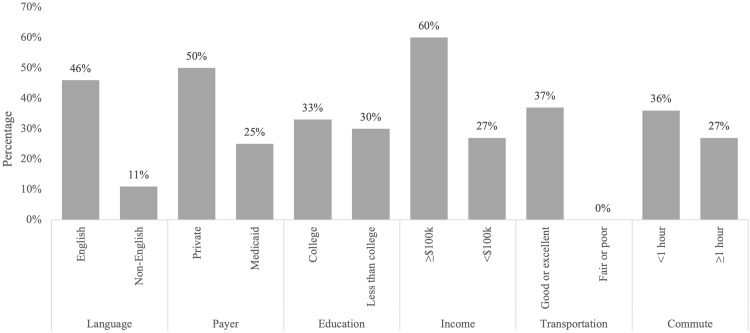
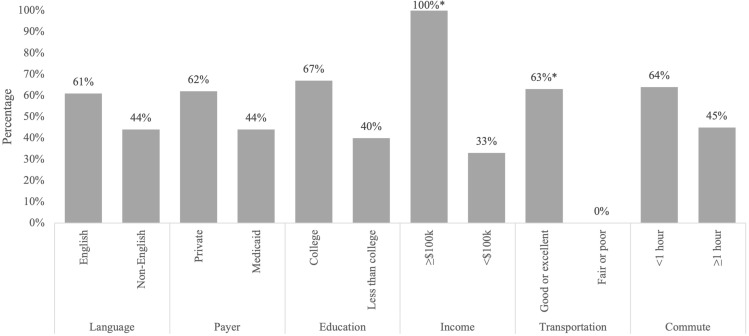
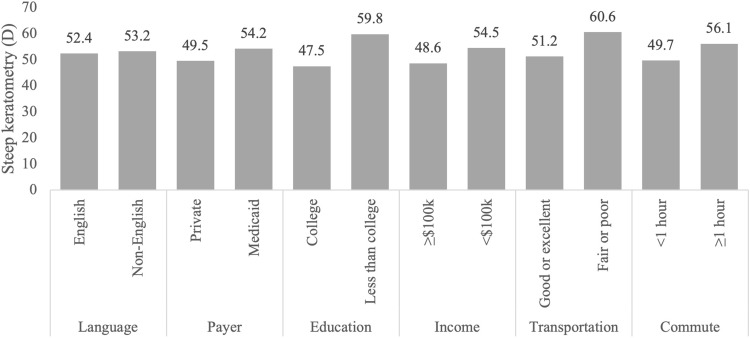
Results: Forty-eight patients met inclusion criteria, 22 (46%) of whom were reached by telephone. Most patients were insured by Medicaid (73%) and current eye rubbers (82%). Few parents reported good or excellent keratoconus literacy now (32%) or at the time of diagnosis (18%). Parents with a high-school education, limited English proficiency, lower income level, and Medicaid insurance tended to have lower keratoconus literacy, though this was not statistically significant. Parental keratoconus literacy was not correlated with disease severity. High-school education, limited English proficiency, lower income level, and Medicaid insurance were correlated with steeper keratometry readings, which was statistically significant for high-school education. In-depth interviews revealed parents felt unconfident with eye health in general and perceived a personal responsibility for learning more.
Conclusion: This is the first study exploring keratoconus literacy from a socioeconomic perspective, demonstrating lower literacy among socioeconomically marginalized parents and a tendency toward more severe disease in their children.
Keywords: disparities; health literacy; keratoconus; social determinants of health.
© 2022 Ahmad et al.
Conflict of interest statement
Dr Neel D Pasricha reports personal fees from iota Biosciences, outside the submitted work. No conflicting relationship exists for any author.
Figures
References
Grants and funding
LinkOut - more resources
Full Text Sources
Miscellaneous
