


Leishmania V. braziliensis infection in asymptomatic domestic animals within an endemic region in the Northeast of Brazil
- PMID: 35976338
- PMCID: PMC9405948
- DOI: 10.1590/0037-8682-0600-2021
Leishmania V. braziliensis infection in asymptomatic domestic animals within an endemic region in the Northeast of Brazil
Abstract
Background: American cutaneous leishmaniasis is a commonly neglected, vector-borne tropical parasitic disease that is a major public health concern in Brazil. Leishmania (Viannia) braziliensis is the main species associated with the disease. Accurate diagnosis is based on epidemiological surveillance, clinical assessment, and laboratory testing. Leishmania (V.) braziliensis has been detected in several wild and synanthropic mammals. Their epidemiological role has not been entirely elucidated. This study aimed to assess potential L. braziliensis infections in asymptomatic domestic animals, by molecular and serological testing in endemic areas, in the metropolitan region of Recife.
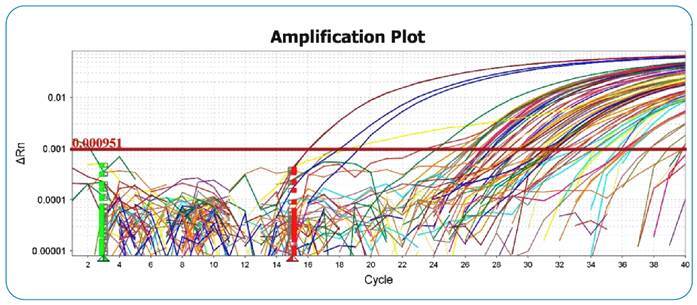
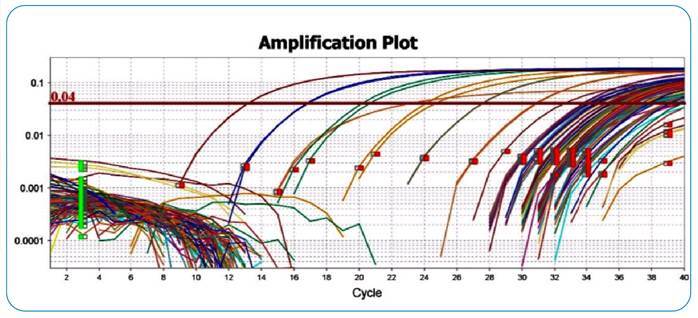
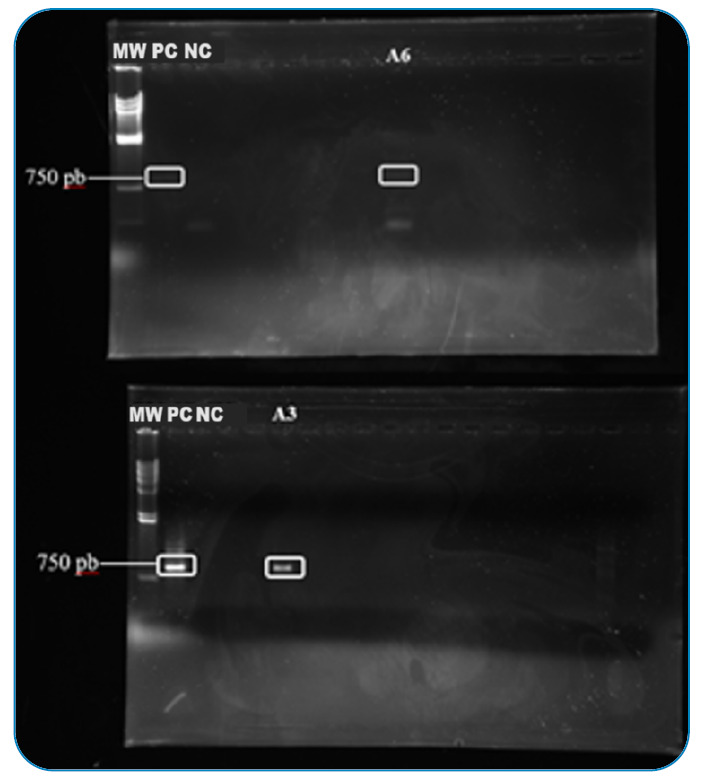
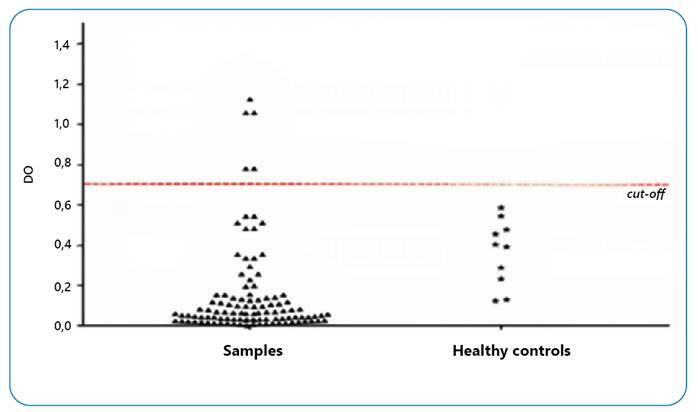
Methods: Blood samples and conjunctival fluids were collected from 232 animals (canids, felids, equines, and caprines) for the detection of L. braziliensis using molecular tests (conventional and real-time polymerase chain reaction [PCR and qPCR]). For immunological detection, blood samples from 115 dogs were assessed using enzyme-linked immunosorbent assay.
Results: Real-time quantitative PCR showed positive results for blood and conjunctival samples in all investigated species. The results of the blood and conjunctival samples were 68.2% and 26.9% in Canis familiaris, 100% and 41.7% in Felis catus, 77.3% and 30.8% in Equus caballus/Equus asinus, and 50% and 33.3% in Capra hircus samples, respectively.
Conclusions: Results from this study adds valuable information to our understanding of the role of asymptomatic domestic animals, L. braziliensis life cycle, and American cutaneous leishmaniasis in Northeast Brazil.
Conflict of interest statement
Figures

References
-
- Shaw JJ, Lainson R. Ecology and epidemiology. Vol. 1. New World: Academic Press; 1987. pp. 291–363.
-
- Schwartz E, Hatz C, Blum J. New world cutaneous leishmaniasis in travellers. Lancet Infect Dis. 2006;6(6):342–349. - PubMed
-
- Ruiz-Postigo JA, Jain S, Mikhailov A, Maia-Elkhoury AN, Valadas S, Warusavithana S, et al. Global leishmaniasis surveillance: 2019-2020, a baseline for the 2030 roadmap/Surveillance mondiale de la leishmaniose: 2019-2020, une periode de reference pour la feuille de route a l'horizon 2030. Wkly Epidemiol Rec. 2021;96(35):401–419.
-
- Brilhante AF, Souza AI, Dorval MEC, França AO, Lima RB, Galati EAB, et al. Canine cutaneous leishmaniasis by Leishmania (Viannia) braziliensis in an agricultural settlement, endemic area for leishmaniasis. Arq Bras Med Vet Zootec. 2016;68(04):927–930.
MeSH terms
LinkOut - more resources
Full Text Sources
