


An Electroencephalography-based Database for studying the Effects of Acoustic Therapies for Tinnitus Treatment
- PMID: 35977951
- PMCID: PMC9385645
- DOI: 10.1038/s41597-022-01622-w
An Electroencephalography-based Database for studying the Effects of Acoustic Therapies for Tinnitus Treatment
Abstract
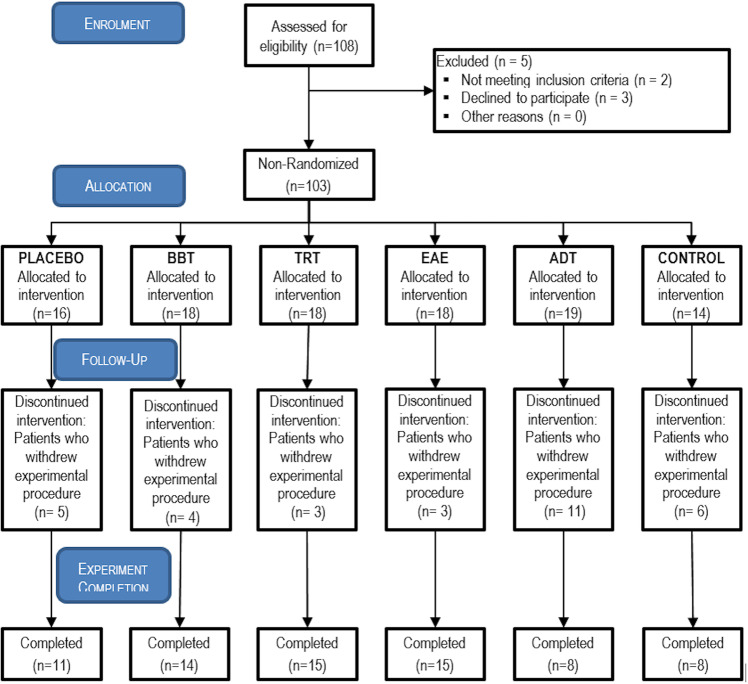
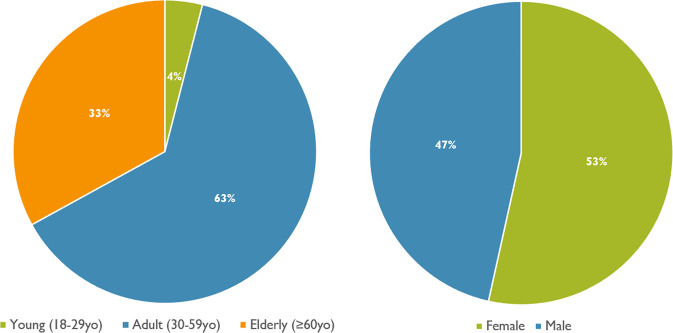
The present database provides demographic (age and sex), clinical (hearing loss and acoustic properties of tinnitus), psychometric (based on Tinnitus Handicapped Inventory and Hospital Anxiety and Depression Scale) and electroencephalographic information of 89 tinnitus sufferers who were semi-randomly treated for eight weeks with one of five acoustic therapies. These were (1) placebo (relaxing music), (2) tinnitus retraining therapy, (3) auditory discrimination therapy, (4) enriched acoustic environment, and (5) binaural beats therapy. Fourteen healthy volunteers who were exposed to relaxing music and followed the same experimental procedure as tinnitus sufferers were additionally included in the study (control group). The database is available at https://doi.org/10.17632/kj443jc4yc.1 . Acoustic therapies were monitored one week after, three weeks after, five weeks after, and eight weeks after the acoustic therapy. This study was previously approved by the local Ethical Committee (CONBIOETICA19CEI00820130520), it was registered as a clinical trial (ISRCTN14553550) in BioMed Central (Springer Nature), the protocol was published in 2016, it attracted L'Oréal-UNESCO Organization as a sponsor, and six journal publications have resulted from the analysis of this database.
© 2022. The Author(s).
Conflict of interest statement
The authors declare no competing interests.
Figures




References
-
- Ibarra-Zarate D, Alonso-Valerdi LM. Acoustic therapies for tinnitus: The basis and the electroencephalographic evaluation. Biomedical Signal Processing and Control. 2020;59(101900):1–11.
Publication types
MeSH terms
LinkOut - more resources
Full Text Sources
Medical
