


Effect of preconditioning on propofol-induced neurotoxicity during the developmental period
- PMID: 35984772
- PMCID: PMC9390907
- DOI: 10.1371/journal.pone.0273219
Effect of preconditioning on propofol-induced neurotoxicity during the developmental period
Abstract
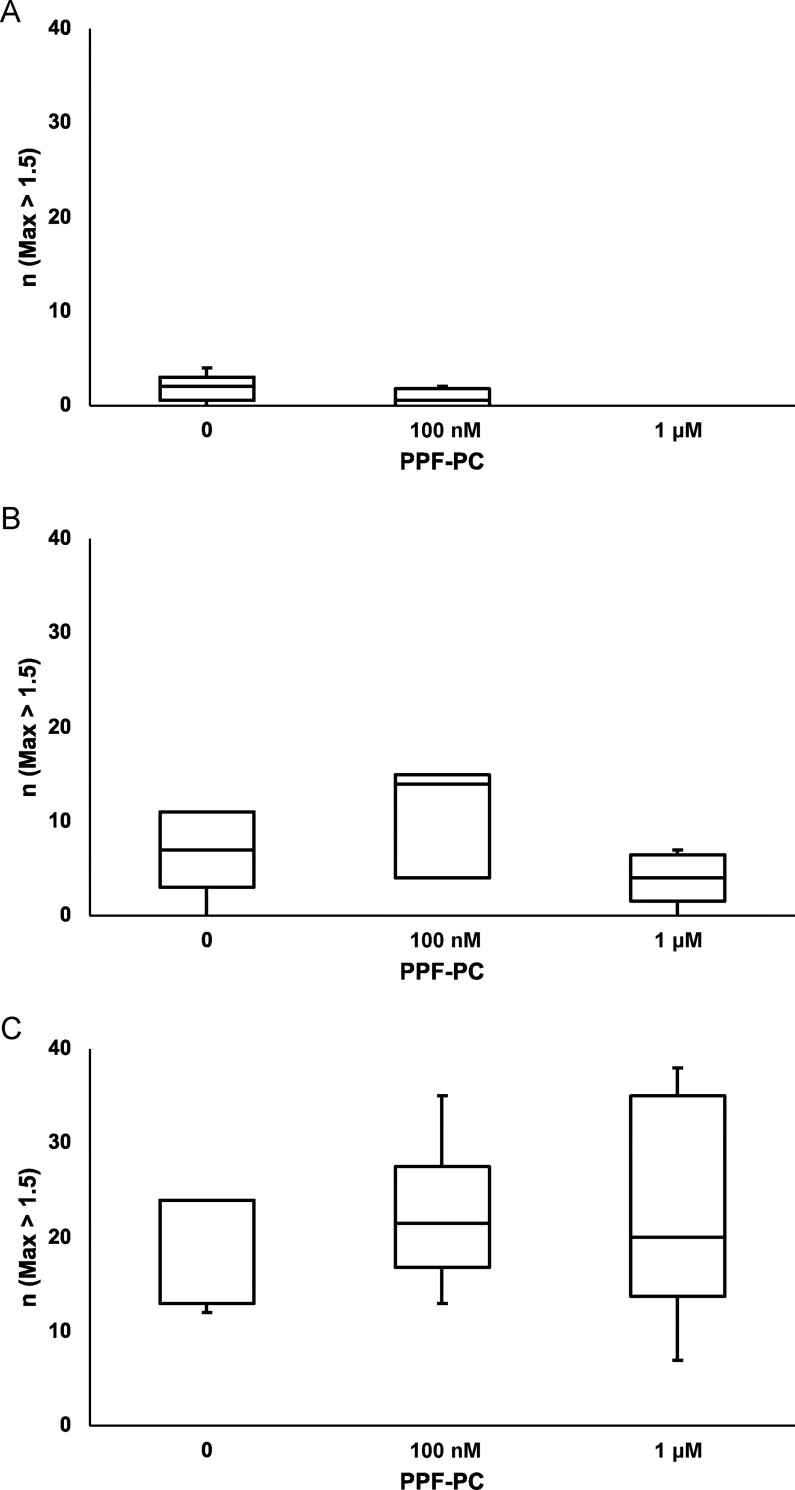
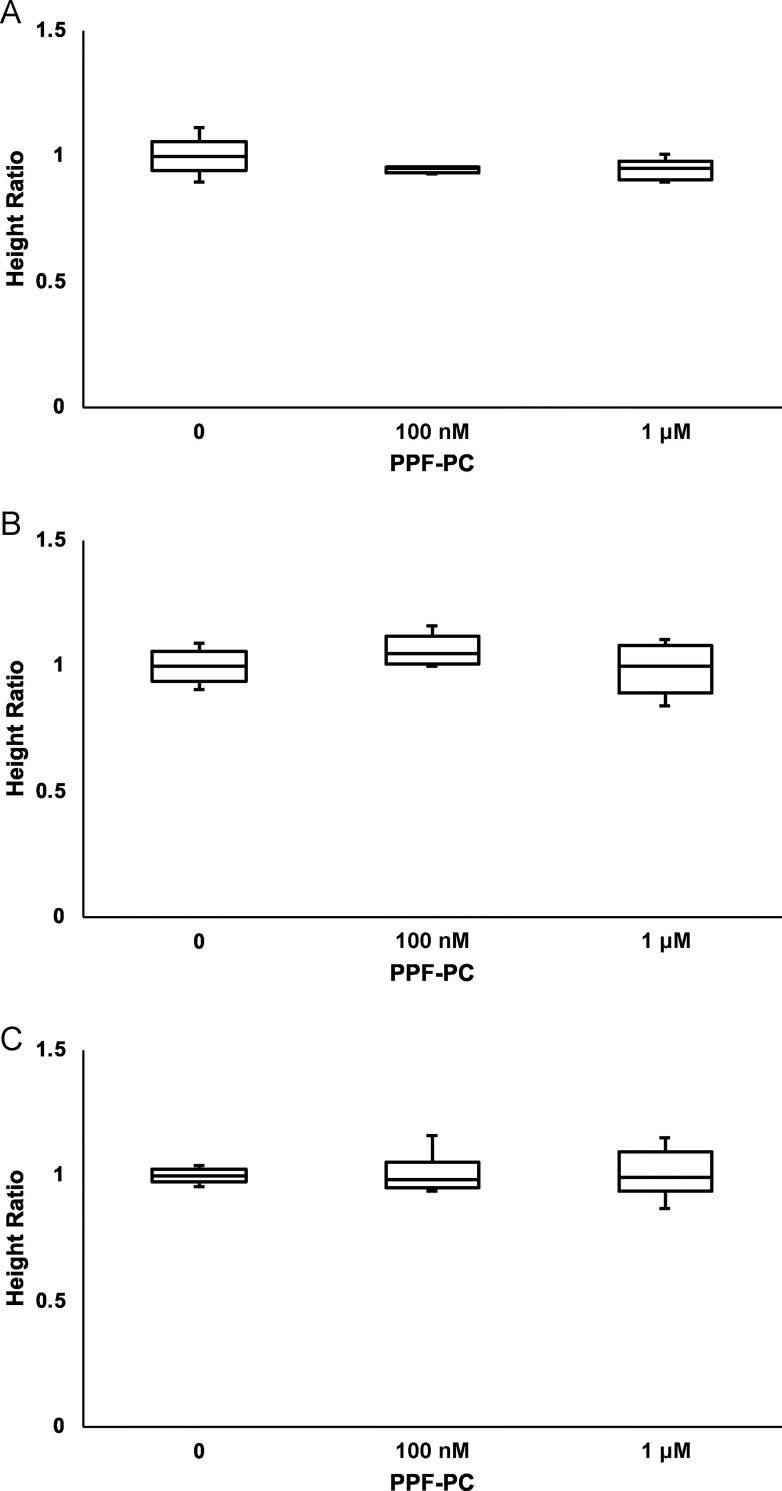
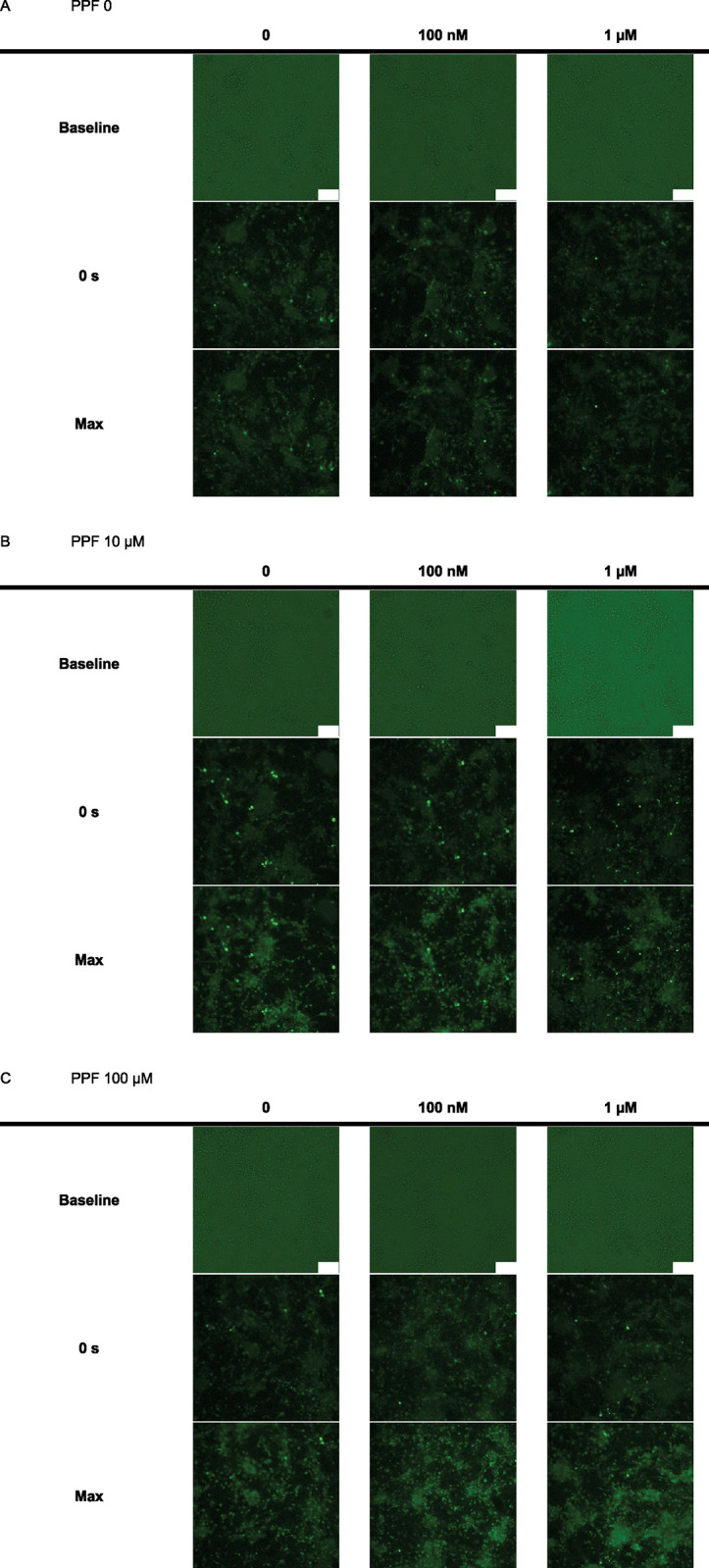
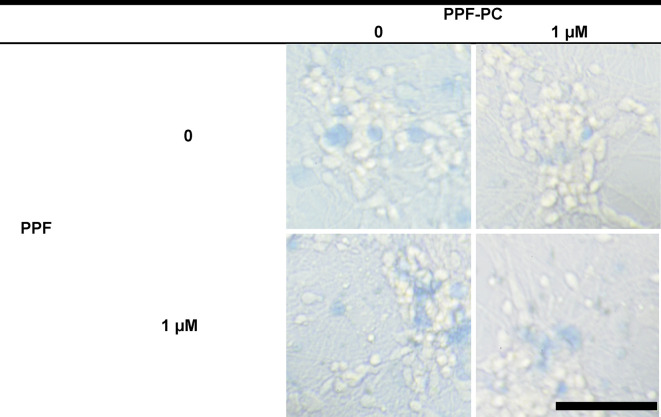
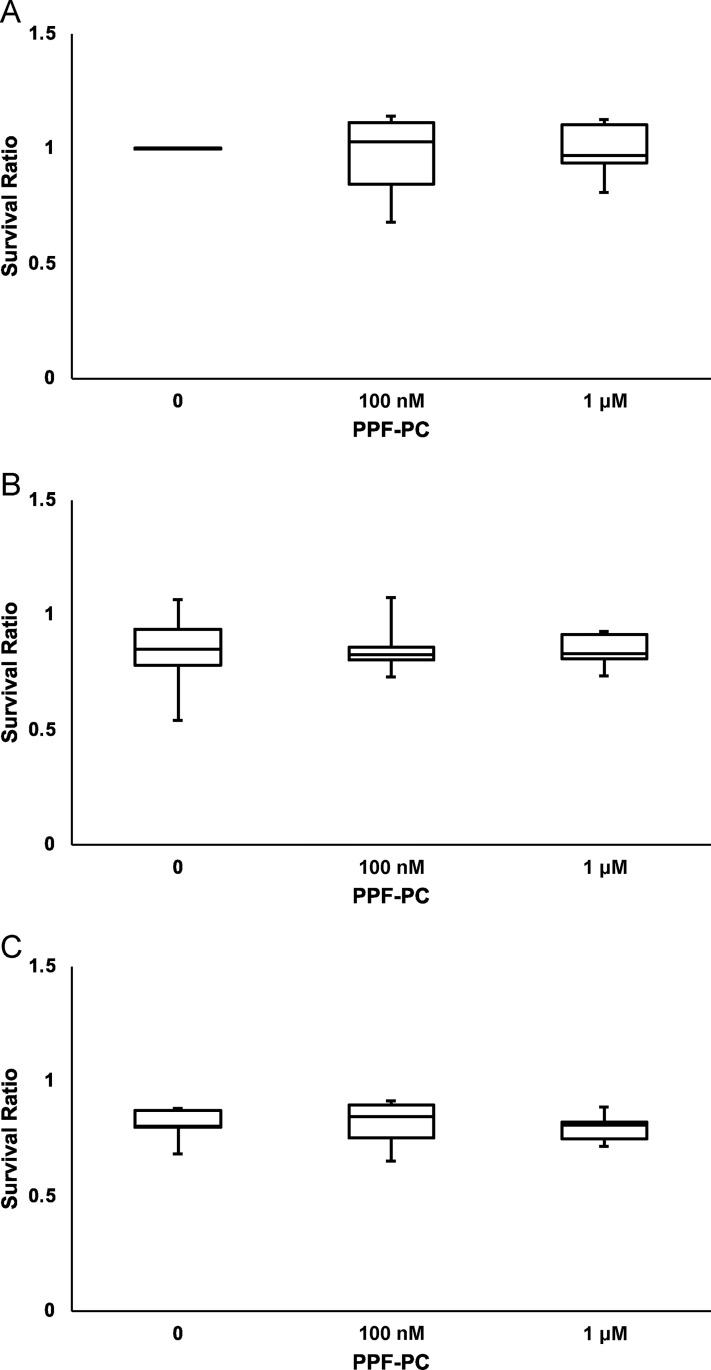
At therapeutic concentrations, propofol (PPF), an anesthetic agent, significantly elevates intracellular calcium concentration ([Ca2 +]i) and induces neural death during the developmental period. Preconditioning enables specialized tissues to tolerate major insults better compared with tissues that have already been exposed to sublethal insults. Here, we investigated whether the neurotoxicity induced by clinical concentrations of PPF could be alleviated by prior exposure to sublethal amounts of PPF. Cortical neurons from embryonic day (E) 17 Wistar rat fetuses were cultured in vitro, and on day in vitro (DIV) 2, the cells were preconditioned by exposure to PPF (PPF-PC) at either 100 nM or 1 μM for 24 h. For morphological observations, cells were exposed to clinical concentrations of PPF (10 μM or 100 μM) for 24 h and the survival ratio (SR) was calculated. Calcium imaging revealed significant PPF-induced [Ca2+]i elevation in cells on DIV 4 regardless of PPF-PC. Additionally, PPF-PC did not alleviate neural cell death induced by PPF under any condition. Our findings indicate that PPF-PC does not alleviate PPF-induced neurotoxicity during the developmental period.
Conflict of interest statement
The authors have declared that no competing interests exist.
Figures
References
-
- Shibuta S, Kanemura S, Uchida O, Mashimo T. The influence of initial target effect-site concentrations of propofol on the similarity of effect-sites concentrations at loss and return of consciousness in elderly female patients with the Diprifusor system. J Anaesthesiol Clin Pharmacol. 2012;28: 194–199. doi: 10.4103/0970-9185.94851 - DOI - PMC - PubMed
Publication types
MeSH terms
Substances
LinkOut - more resources
Full Text Sources
Research Materials
Miscellaneous
