


Proteomics-based evaluation of the mechanism underlying vascular injury via DNA interstrand crosslinks, glutathione perturbation, mitogen-activated protein kinase, and Wnt and ErbB signaling pathways induced by crotonaldehyde
- PMID: 36002804
- PMCID: PMC9400244
- DOI: 10.1186/s12014-022-09369-7
Proteomics-based evaluation of the mechanism underlying vascular injury via DNA interstrand crosslinks, glutathione perturbation, mitogen-activated protein kinase, and Wnt and ErbB signaling pathways induced by crotonaldehyde
Abstract
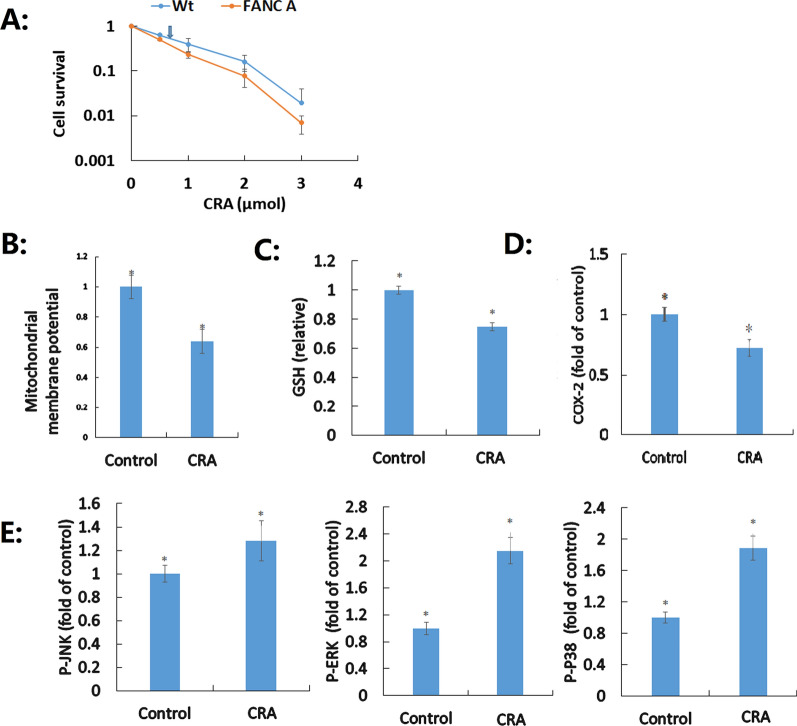
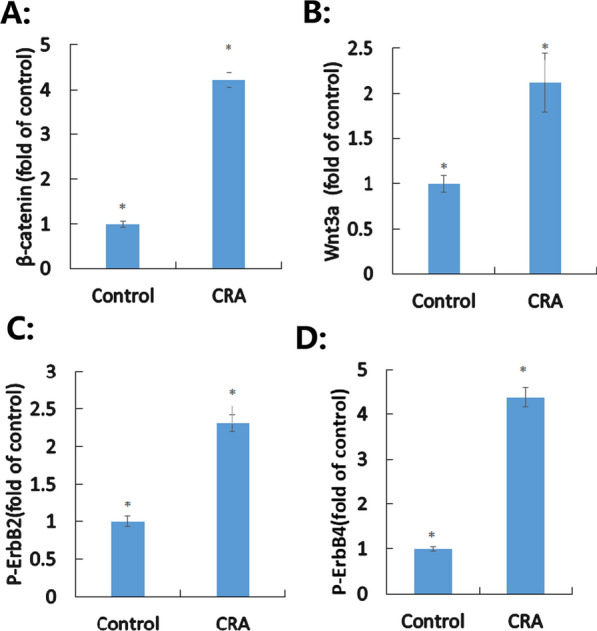
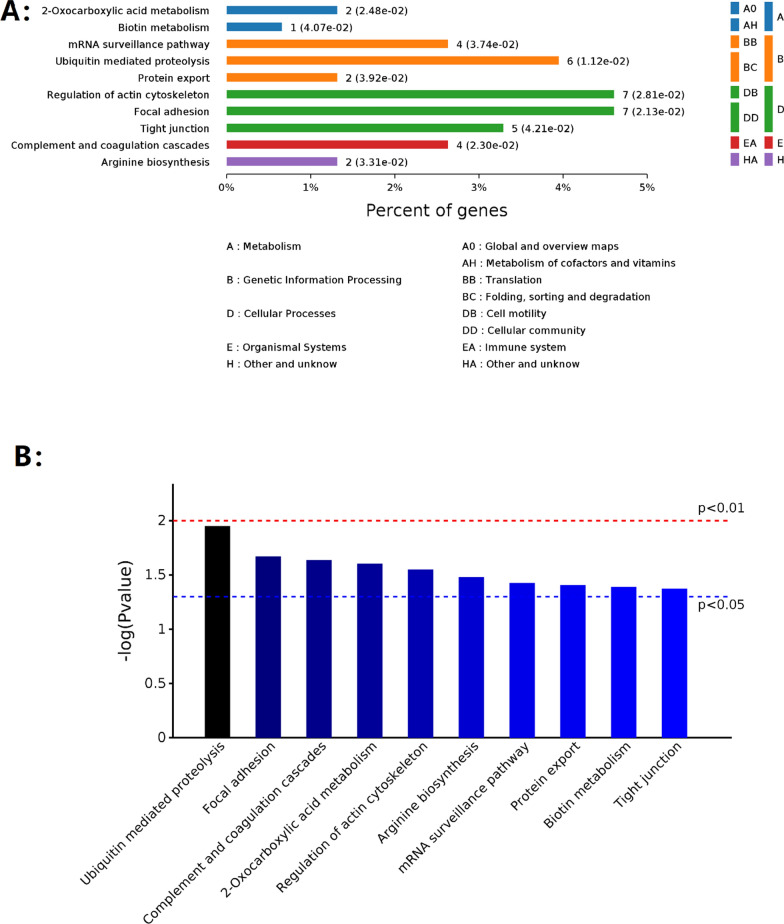
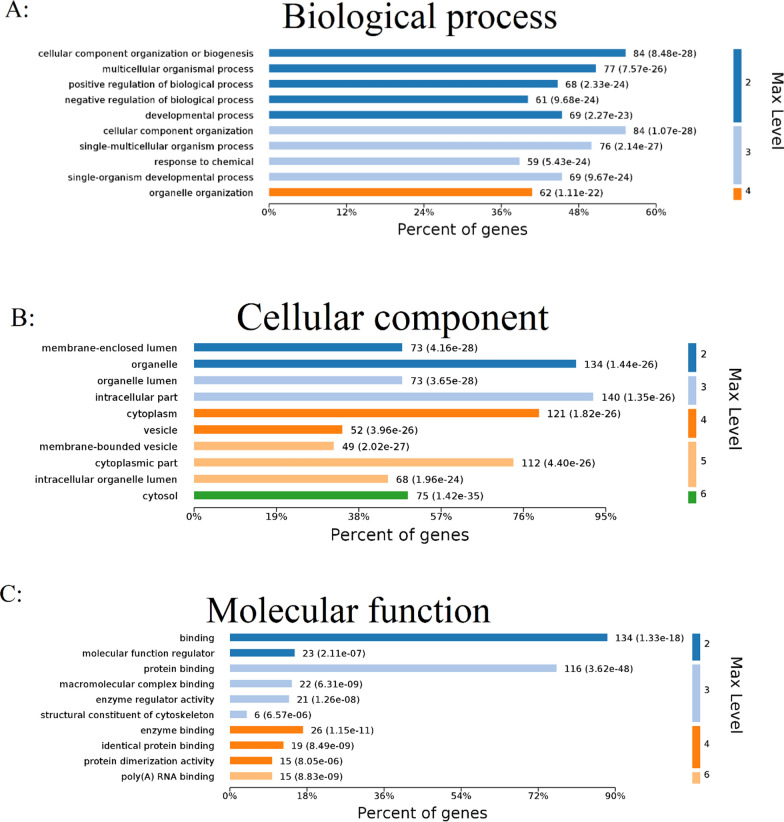
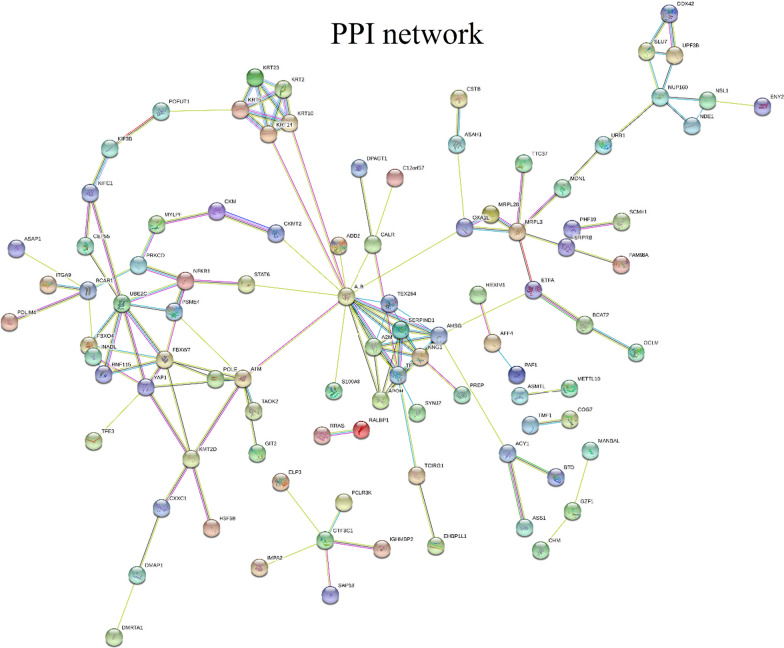
Crotonaldehyde (CRA)-one of the major environmental pollutants from tobacco smoke and industrial pollution-is associated with vascular injury (VI). We used proteomics to systematically characterize the presently unclear molecular mechanism of VI and to identify new related targets or signaling pathways after exposure to CRA. Cell survival assays were used to assess DNA damage, whereas oxidative stress was determined using colorimetric assays and by quantitative fluorescence study; additionally, cyclooxygenase-2, mitogen-activated protein kinase pathways, Wnt3a, β-catenin, phospho-ErbB2, and phospho-ErbB4 were assessed using ELISA. Proteins were quantitated via tandem mass tag-based liquid chromatography-mass spectrometry and bioinformatics analyses, and 34 differentially expressed proteins were confirmed using parallel reaction monitoring, which were defined as new indicators related to the mechanism underlying DNA damage; glutathione perturbation; mitogen-activated protein kinase; and the Wnt and ErbB signaling pathways in VI based on Gene Ontology, Kyoto Encyclopedia of Genes and Genomes, and protein-protein interaction network analyses. Parallel reaction monitoring confirmed significant (p < 0.05) upregulation (> 1.5-fold change) of 23 proteins and downregulation (< 0.667-fold change) of 11. The mechanisms of DNA interstrand crosslinks; glutathione perturbation; mitogen-activated protein kinase; cyclooxygenase-2; and the Wnt and ErbB signaling pathways may contribute to VI through their roles in DNA damage, oxidative stress, inflammation, vascular dysfunction, endothelial dysfunction, vascular remodeling, coagulation cascade, and the newly determined signaling pathways. Moreover, the Wnt and ErbB signaling pathways were identified as new disease pathways involved in VI. Taken together, the elucidated underlying mechanisms may help broaden existing understanding of the molecular mechanisms of VI induced by CRA.
Keywords: Crotonaldehyde; Differentially expressed proteins; Indicators; Vascular injury; Wnt and ErbB signaling pathways.
© 2022. The Author(s).
Conflict of interest statement
The authors have no conflicts of interest to report.
Figures
References
-
- Goniewicz ML, Gawron M, Smith DM, Peng M, Jacob P, 3rd, Benowitz NL. Exposure to nicotine and selected toxicants in cigarette smokers who switched to electronic cigarettes: a longitudinal within-subjects observational study. Nicotine Tob Res. 2017;19(2):160–167. doi: 10.1093/ntr/ntw160. - DOI - PMC - PubMed
-
- Eder E, Schuler D, Budiawan . Cancer risk assessment for crotonaldehyde and 2-hexenal: an approach. Lyon: IARC Scientific Publications; 1999. pp. 219–232. - PubMed
Grants and funding
- LHGJ20220587/key scientific and technological research projects of henan province foundation
- LHGJ20190456/key scientific and technological research projects of henan province foundation
- QN-2019-B02/first affiliated hospital of xinxiang medical university youth science fund project
- GG2019037/technology breakthrough plan of science and technology department of xinxiang
- LHGJ20210521/key scientific and technological research projects of Henan Province Foundation
LinkOut - more resources
Full Text Sources
Research Materials
Miscellaneous