


Entamoeba histolytica HM-1: IMSS gene expression profiling identifies key hub genes, potential biomarkers, and pathways in Amoebiasis infection: a systematic network meta-analysis
- PMID: 36004808
- PMCID: PMC9595035
- DOI: 10.1042/BSR20220191
Entamoeba histolytica HM-1: IMSS gene expression profiling identifies key hub genes, potential biomarkers, and pathways in Amoebiasis infection: a systematic network meta-analysis
Abstract
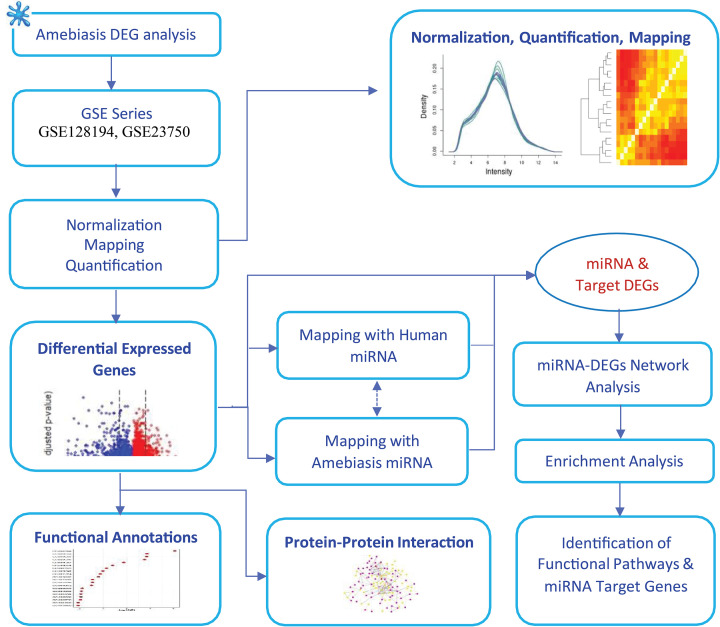
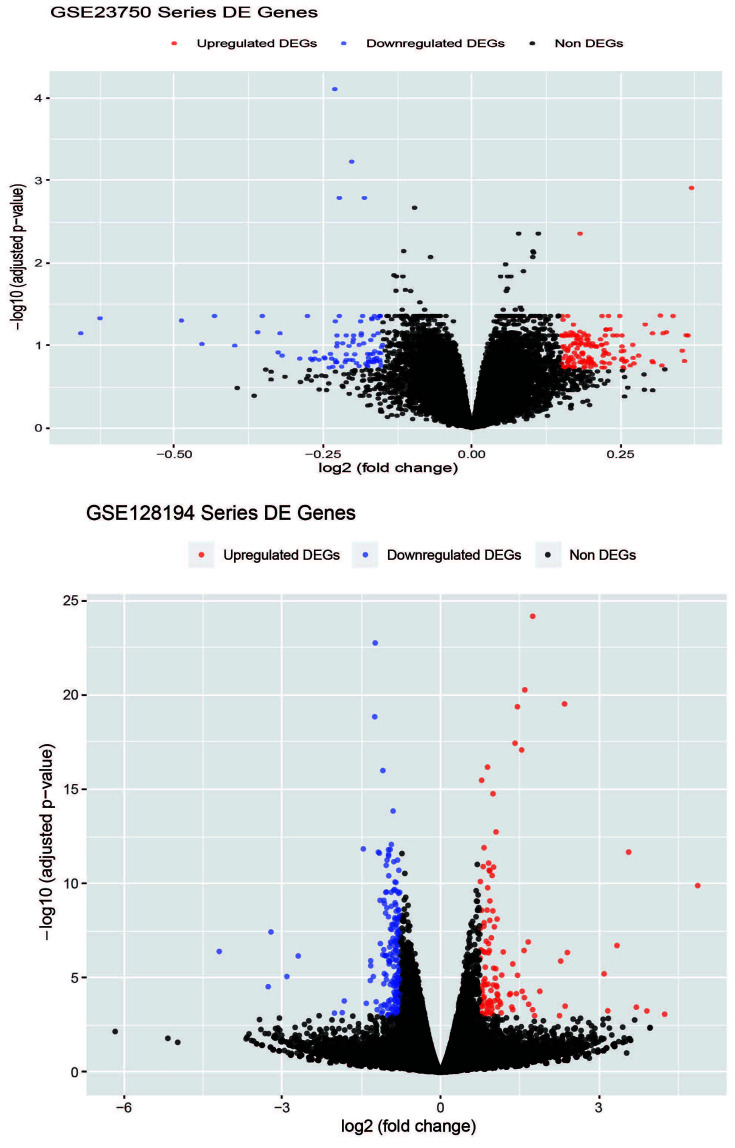
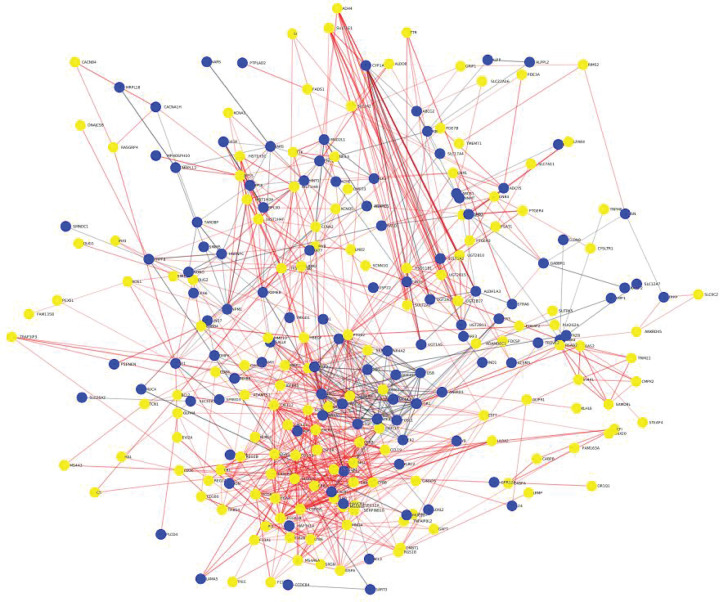
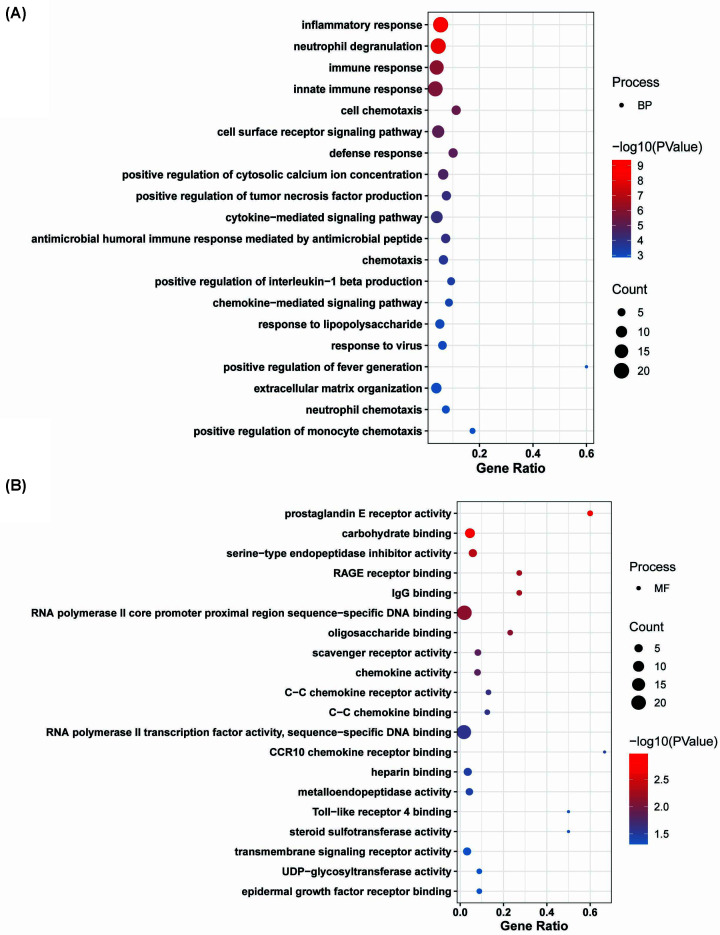
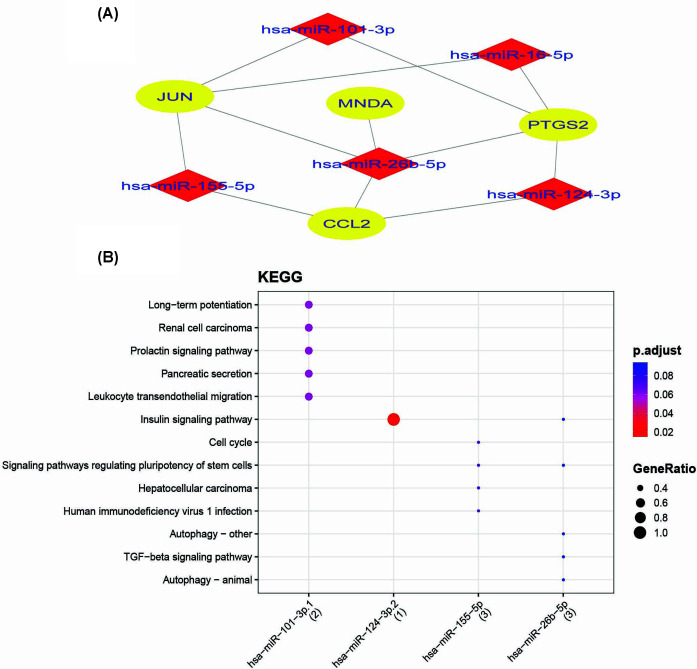
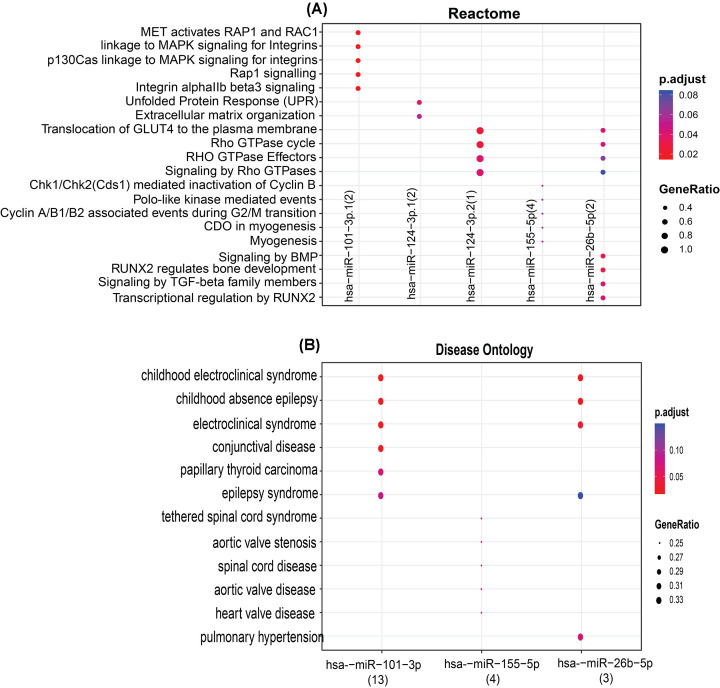
Entamoeba histolytica (E. histolytica) is an anaerobic parasite that causes Amoebiasis in the intestine or extraintestinal, with immunology, genetics, and environmental variables all playing a part in the disease's development, but its molecular mechanism is unknown. One of the primary obstacles in understanding the etiology of Amoebiasis will be identifying the genetics profiling that controls the Amoebiasis network. By examining the gene expression profile of Amoebiasis and comparing it with healthy controls, we could identify differentially expressed genes (DEGs). DEGs were used to build the Amoebiasis protein interaction network and calculated its network topological properties. We discovered nine key hub genes (KHGs): JUN, PTGS2, FCGR3A, MNDA, CYBB, EGR1, CCL2, TLR8, and LRRK2 genes. The genes JUN and EGR1 were transcriptional factors (TFs) and up-regulated, others down-regulated. hsa-miR-155-5p, hsa-miR-101-3p, hsa-miR-124-3p, hsa-miR-26b-5p, and hsa-miR-16-5p are also among the essential miRNAs that have been demonstrated to be targeted by KHGs. These KHGs were primarily enriched in the IL-17 signaling pathway, TNF signaling pathway, NOD-like receptor signaling pathway, and Toll-like receptor signaling pathway. miRNAs were grouped in various pathways, focusing on the TGF-β signaling pathway, human immunodeficiency virus 1 infection, insulin signaling pathway, signaling pathways regulating pluripotency of stem cells, etc. Amoebiasis KHGs (JUN, PTGS2, CCL2, and MNDA) and their associated miRNAs are the primary targets for therapeutic methods and possible biomarkers. Furthermore, we identified drugs for genes JUN, PTGS2, FCGR3A, CCL2, and LRRK2. KHGs, on the other hand, required experimental validation to prove their efficacy.
Keywords: Amoebiasis infection; Differentially expressed genes (DEGs); Gene-interaction network.
© 2022 The Author(s).
Conflict of interest statement
The authors declare that there are no competing interests associated with the manuscript.
Figures
References
-
- Carrero J.C., Reyes-Lopez M., Serrano-Luna J., Shibayama M., Unzueta J., Leon-Sicairos N.et al. . (2020) Intestinal Amoebiasis: 160 years of its first detection and still remains as a health problem in developing countries. Int. J. Med. Microbiol. 310, 151358 10.1016/j.ijmm.2019.151358 - DOI - PubMed
-
- James W.M. and Getz L. (1928) Human amoebiasis due to infection with Entamoeba Histolytica: a description of the photographs. Ann. Tropical Med. Parasitol. 22, 201–258 10.1080/00034983.1928.11684573 - DOI
Publication types
MeSH terms
Substances
LinkOut - more resources
Full Text Sources
Medical
Research Materials
Miscellaneous
