


CD93 is Associated with Glioma-related Malignant Processes and Immunosuppressive Cell Infiltration as an Inspiring Biomarker of Survivance
- PMID: 36006582
- PMCID: PMC9596571
- DOI: 10.1007/s12031-022-02060-4
CD93 is Associated with Glioma-related Malignant Processes and Immunosuppressive Cell Infiltration as an Inspiring Biomarker of Survivance
Abstract
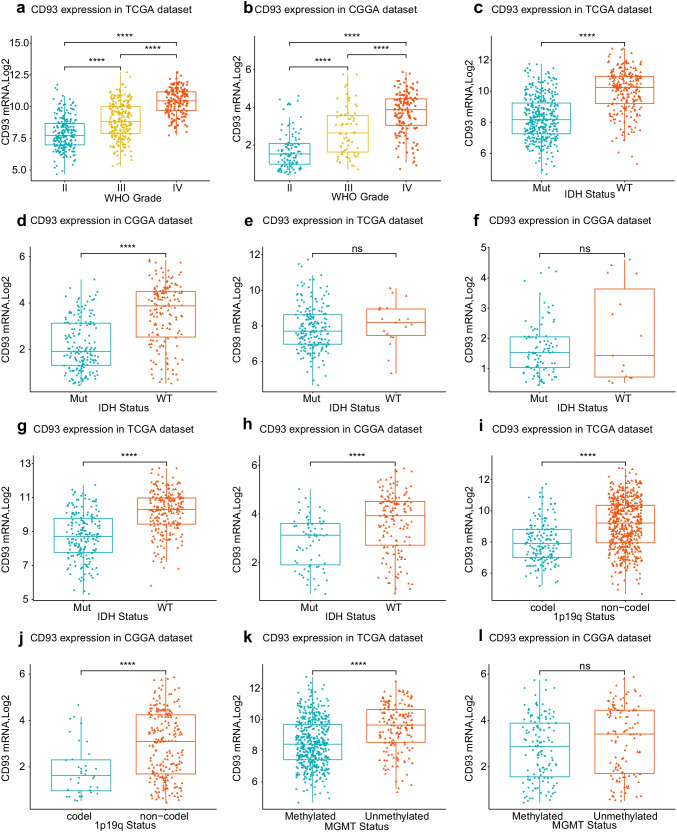
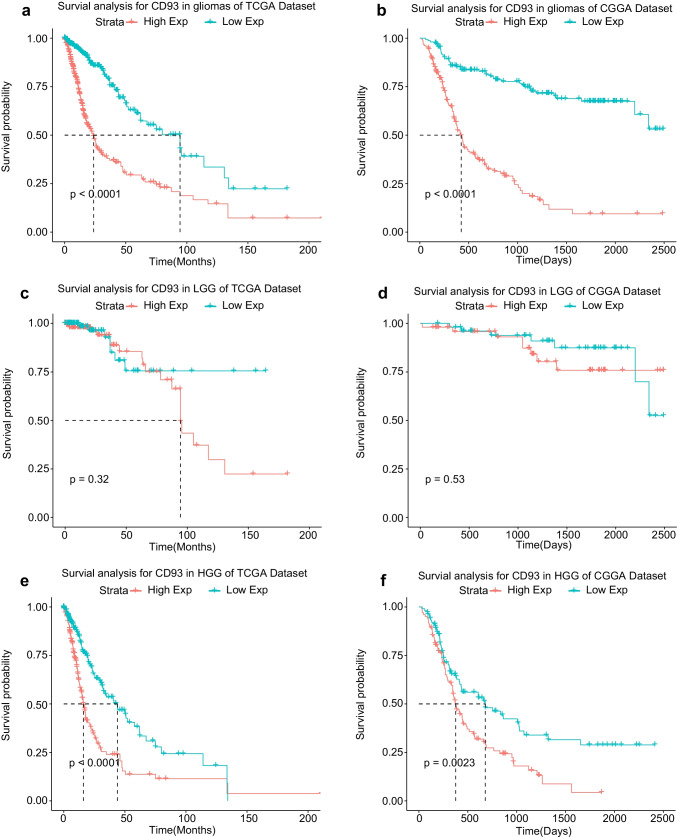
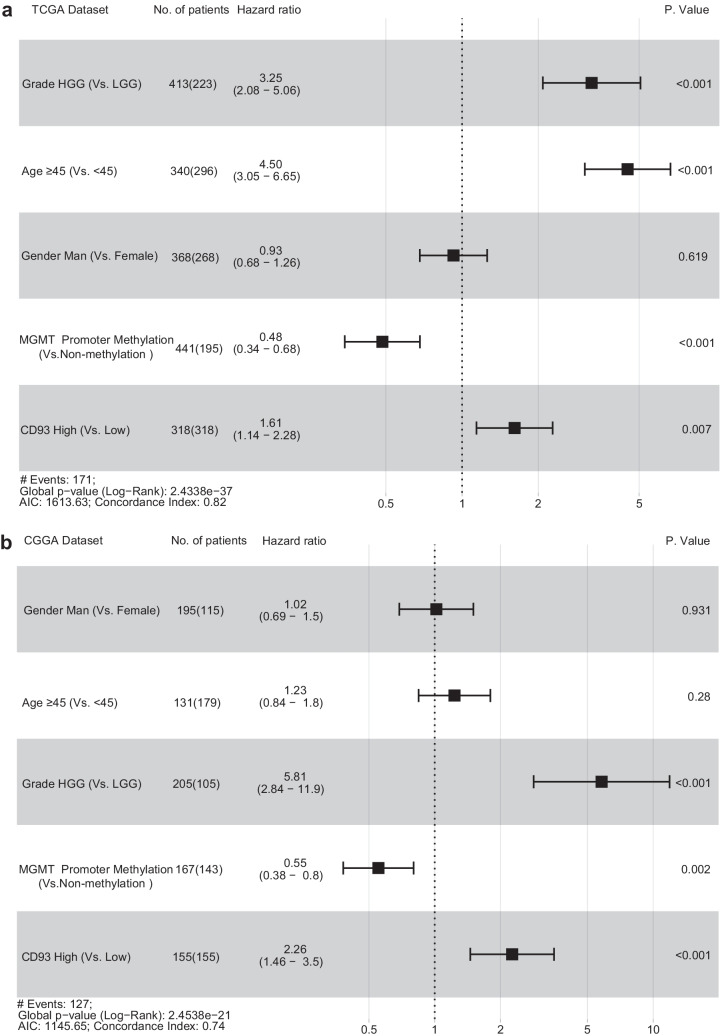
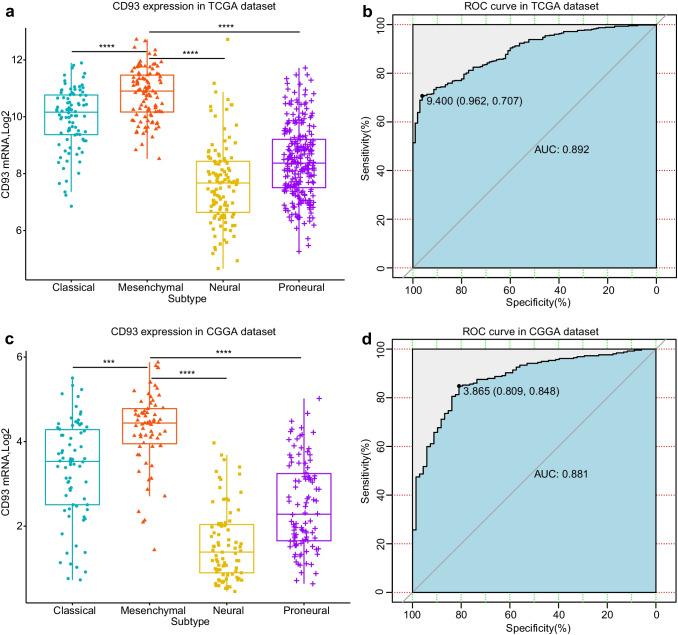
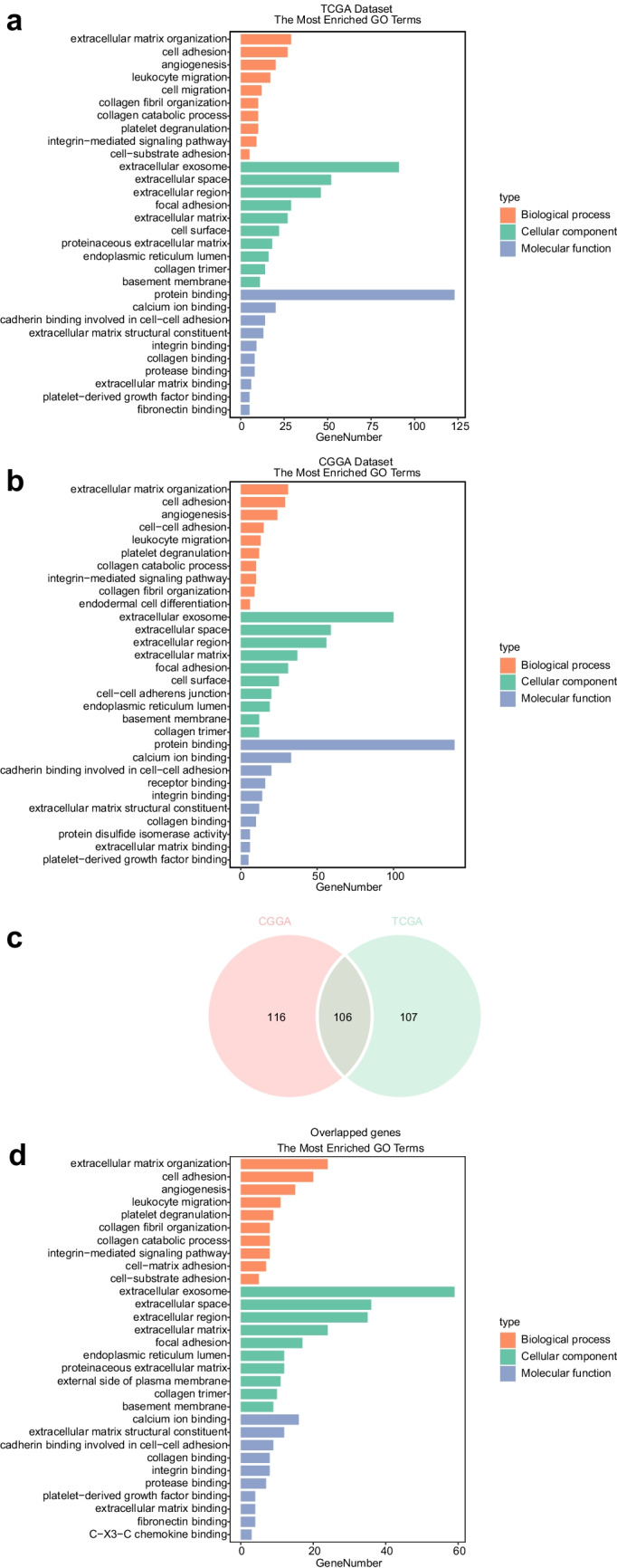
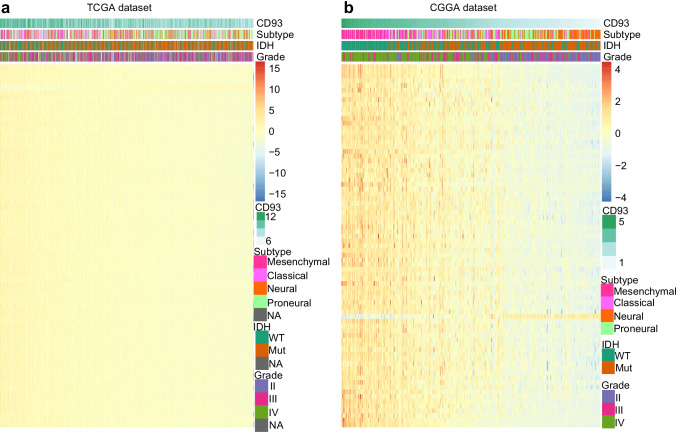
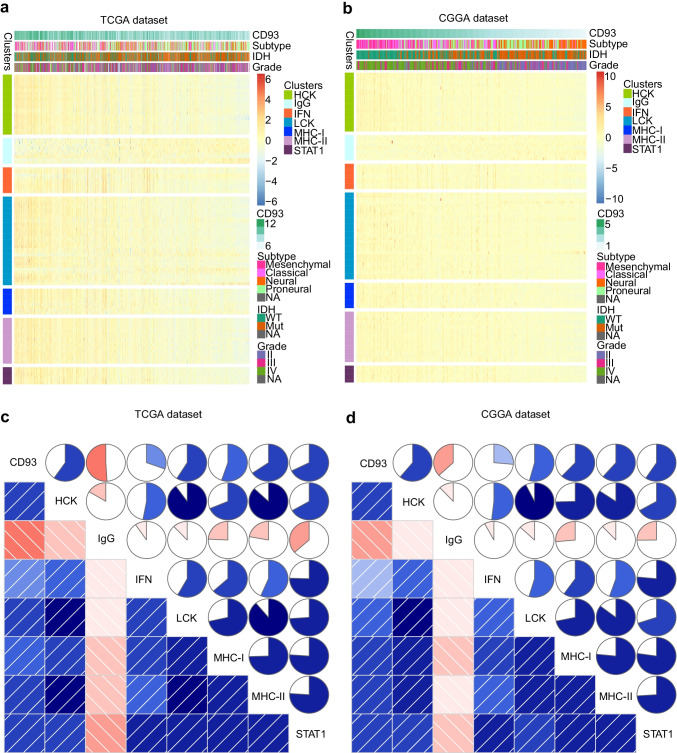
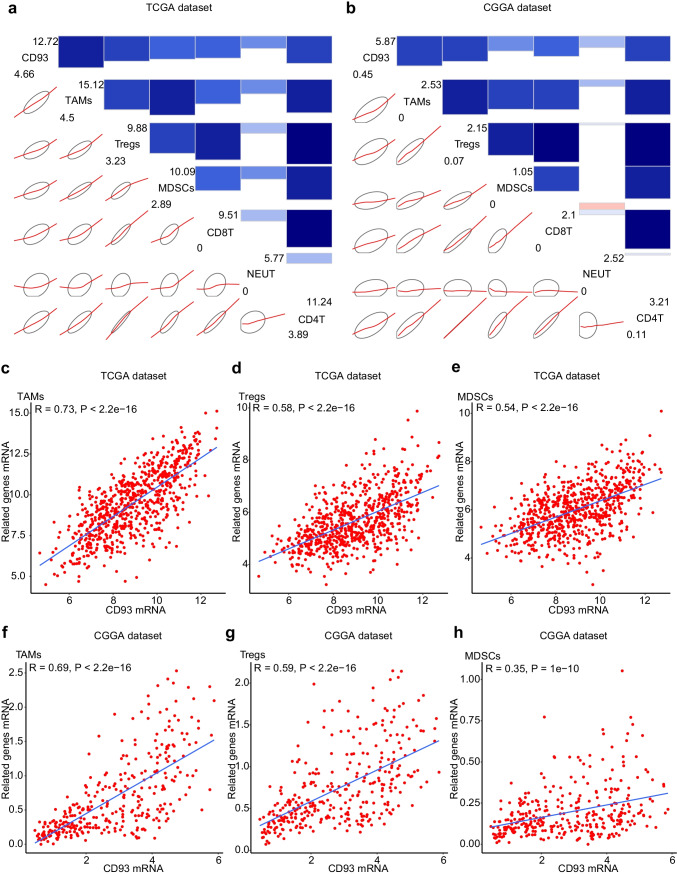
Previous reports have confirmed the significance of CD93 in the progression of multiple tumors; however, there are few studies examining its immune properties for gliomas. Here, we methodically investigated the pathophysiological characteristics and clinical manifestations of gliomas. Six hundred ninety-nine glioma patients in TCGA along with 325 glioma patients in CGGA were correspondingly collected for training and validating. We analyzed and visualized total statistics using RStudio. One-way ANOVA and Student's t-test were used to assess groups' differences. All differences were considered statistically significant at the level of P < 0.05. CD93 markedly upregulated among HGG, MGMT promoter unmethylated subforms, IDH wild forms, 1p19q non-codeletion subforms, and mesenchyme type gliomas. ROC analysis illustrated the favorable applicability of CD93 in estimating mesenchyme subform. Kaplan-Meier curves together with multivariable Cox analyses upon survivance identified high-expression CD93 as a distinct prognostic variable for glioma patients. GO analysis of CD93 documented its predominant part in glioma-related immunobiological processes and inflammation responses. We examined the associations of CD93 with immune-related meta-genes, and CD93 positively correlated with HCK, LCK, MHC I, MHC II, STAT1 and IFN, while adverse with IgG. Association analyses between CD93 and gliomas-infiltrating immunocytes indicated that the infiltrating degrees of most immunocytes exhibited positive correlations with CD93, particularly these immunosuppressive subsets such as TAM, Treg, and MDSCs. CD93 is markedly associated with adverse pathology types, unfavorable survival, and immunosuppressive immunocytes infiltration among gliomas, thus identifying CD93 as a practicable marker and a promising target for glioma-based precise diagnosis and therapeutic strategies.
Keywords: Biomarker; CD93; Glioma; Immunosuppression; Prognosis; Target.
© 2022. The Author(s).
Conflict of interest statement
The authors declare no competing interests.
Figures
References
-
- American Association for Cancer Research (2021) CD93 blockade stabilizes tumor vasculature to improve therapy response. Cancer Discov 11:2368 - PubMed
-
- Bao L, Tang M, Zhang Q, You B, Shan Y, Shi S, Li L, Hu S, You Y. Elevated expression of CD93 promotes angiogenesis and tumor growth in nasopharyngeal carcinoma. Biochem Biophys Res Commun. 2016;476:467–474. - PubMed
-
- Barbera S, Lugano R, Pedalina A, Mongiat M, Santucci A, Tosi GM, Dimberg A, Galvagni F, Orlandini M. The C-type lectin CD93 controls endothelial cell migration via activation of the Rho family of small GTPases. Matrix Biol. 2021;99:1–17. - PubMed
-
- Blackburn JWD, Lau DHC, Liu EY, Ellins J, Vrieze AM, Pawlak EN, Dikeakos JD, Heit B. Soluble CD93 is an apoptotic cell opsonin recognized by α(x) β(2) Eur J Immunol. 2019;49:600–610. - PubMed
-
- Bohlson SS, Silva R, Fonseca MI, Tenner AJ. CD93 is rapidly shed from the surface of human myeloid cells and the soluble form is detected in human plasma. J Immunol. 2005;175:1239–1247. - PubMed
MeSH terms
Substances
Grants and funding
LinkOut - more resources
Full Text Sources
Medical
Research Materials
Miscellaneous
