


A Comparative Study of Hesperetin, Hesperidin and Hesperidin Glucoside: Antioxidant, Anti-Inflammatory, and Antibacterial Activities In Vitro
- PMID: 36009336
- PMCID: PMC9405481
- DOI: 10.3390/antiox11081618
A Comparative Study of Hesperetin, Hesperidin and Hesperidin Glucoside: Antioxidant, Anti-Inflammatory, and Antibacterial Activities In Vitro
Abstract
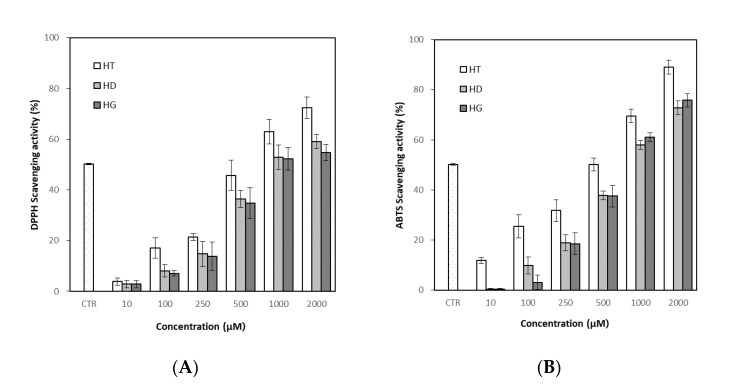
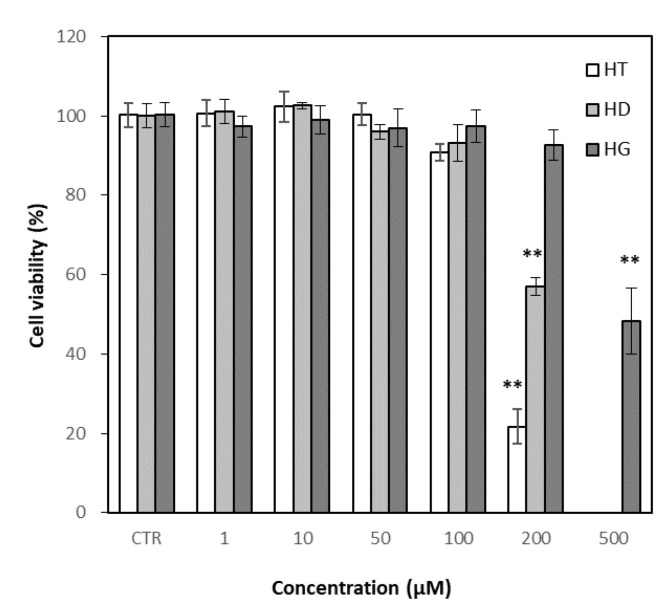
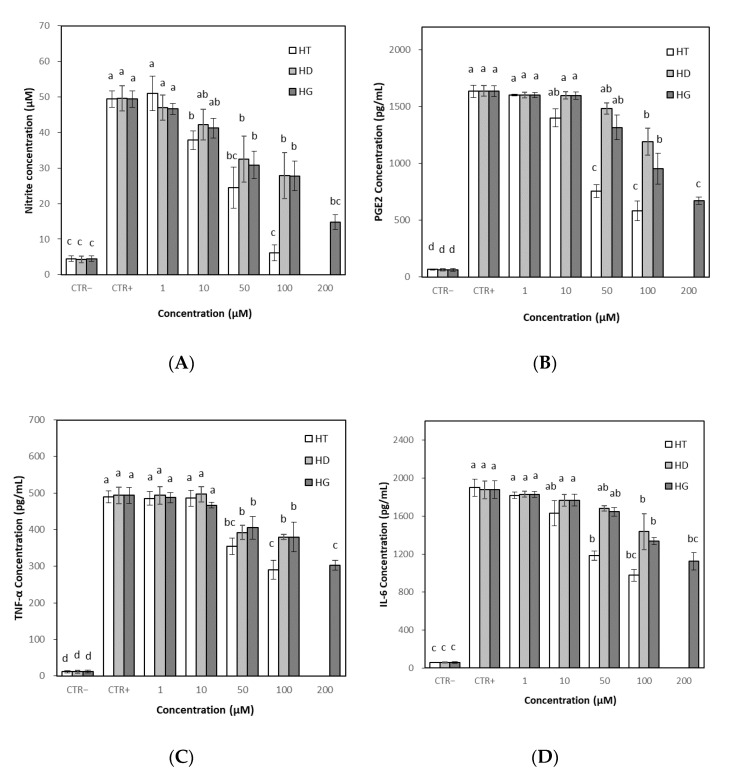
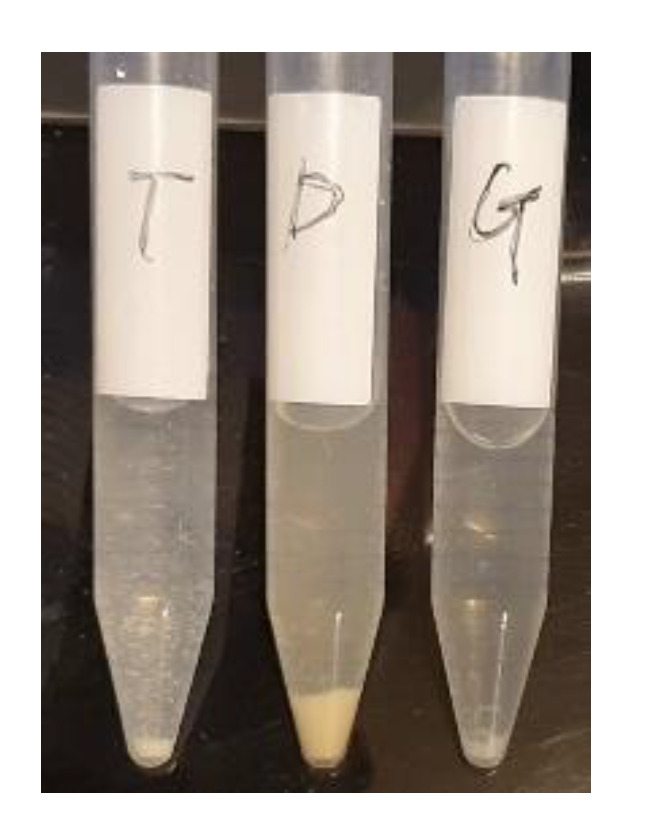
The antioxidant, anti-inflammatory and antibacterial activities of hesperetin, hesperidin and hesperidin glucoside with different solubility were compared in vitro. Hesperetin was prepared by enzymatic hydrolysis from hesperidin, and hesperidin glucoside composed of hesperidin mono-glucoside was prepared from hesperidin through enzymatic transglycosylation. Solubility of the compounds was different: the partition coefficient (log P) was 2.85 ± 0.02 for hesperetin, 2.01 ± 0.02 for hesperidin, and -3.04 ± 0.03 for hesperidin glucoside. Hesperetin showed a higher effect than hesperidin and hesperidin glucoside on radical scavenging activity in antioxidant assays, while hesperidin and hesperidin glucoside showed similar activity. Cytotoxicity was low in the order of hesperidin glucoside, hesperidin, and hesperetin in murine macrophage RAW264.7 cells. Treatment of the cells with each compound reduced the levels of inflammatory mediators, nitric oxide (NO), prostaglandin E2 (PGE2), tumor necrosis factor alpha (TNF-α) and interleukin-6 (IL-6). Hesperetin was most effective at relatively low concentrations, however, hesperidin glucoside was also effective at higher concentration. Hesperetin showed higher antibacterial activity than hesperidin in both Gram-positive and -negative bacteria, and hesperidin glucoside showed similarly higher activity with hesperetin depending on the bacterial strain. In conclusion, hesperetin in the form of aglycone showed more potent biological activity than hesperidin and hesperidin glucoside. However, hesperidin glucoside, the highly soluble form, has been shown to increase the activity compared to poorly soluble hesperidin.
Keywords: anti-inflammatory; antibacterial; antioxidant; hesperetin; hesperidin; hesperidin glucoside; in vitro; solubility.
Conflict of interest statement
The authors have no conflicts of interest to declare.
Figures
References
-
- Németh K., Plumb G.W., Berrin J.-G., Juge N., Jacob R., Naim H.Y., Williamson G., Swallow D.M., Kroon P.A. Deglycosylation by small intestinal epithelial cell β-glycosidases is a critical step in the absorption and metabolism of dietary flavonoid glycosides in humans. Eur. J. Nutr. 2003;42:29–42. - PubMed
-
- Matsumoto H., Ikoma Y., Sugiura M., Yano M., Hasegawa Y. Identification and quantification of the conjugated metabolites derived from orally administered hesperidin in rat plasma. J. Agric. Food Chem. 2004;52:6653–6659. - PubMed
-
- Pereira-Caro G., Polyviou T., Ludwig I.A., Nastase A.M., Moreno-Rojas J.M., Garcia A.L., Malkova D., Crozier A. Bioavailability of orange juice (poly)phenols: The impact of short-term cessation of training by male endurance athletes. Am. J. Clin. Nutr. 2017;106:791–800. - PubMed
-
- Cho J. Antioxidant and neuroprotective effects of hesperidin and its aglycone hesperetin. Arch. Pharmacal. Res. 2006;29:699–706. - PubMed
Grants and funding
LinkOut - more resources
Full Text Sources
