Acetic Acid Enables Precise Tailoring of the Mechanical Behavior of Protein-Based Hydrogels
- PMID: 36018622
- PMCID: PMC9479135
- DOI: 10.1021/acs.nanolett.2c01558
Acetic Acid Enables Precise Tailoring of the Mechanical Behavior of Protein-Based Hydrogels
Abstract
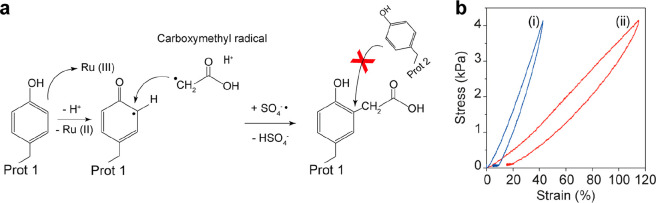
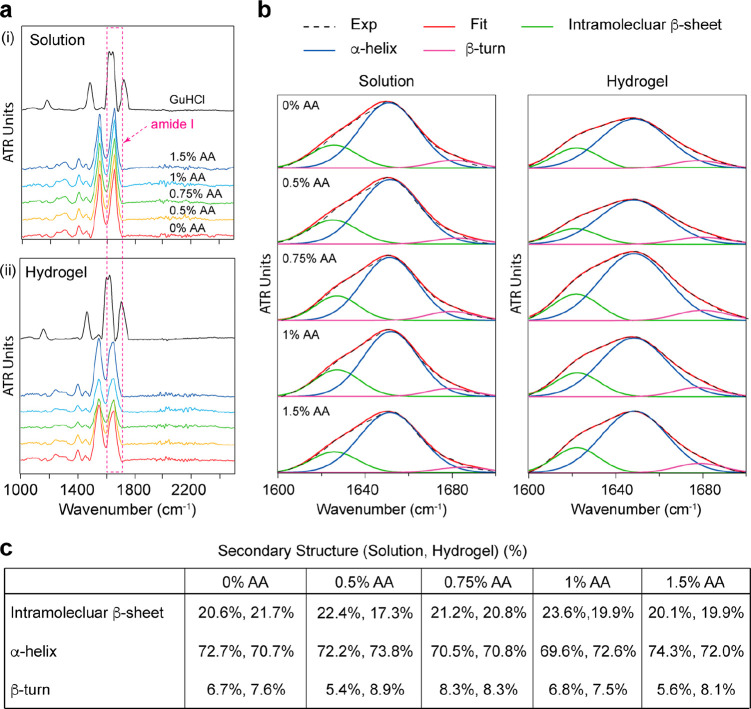
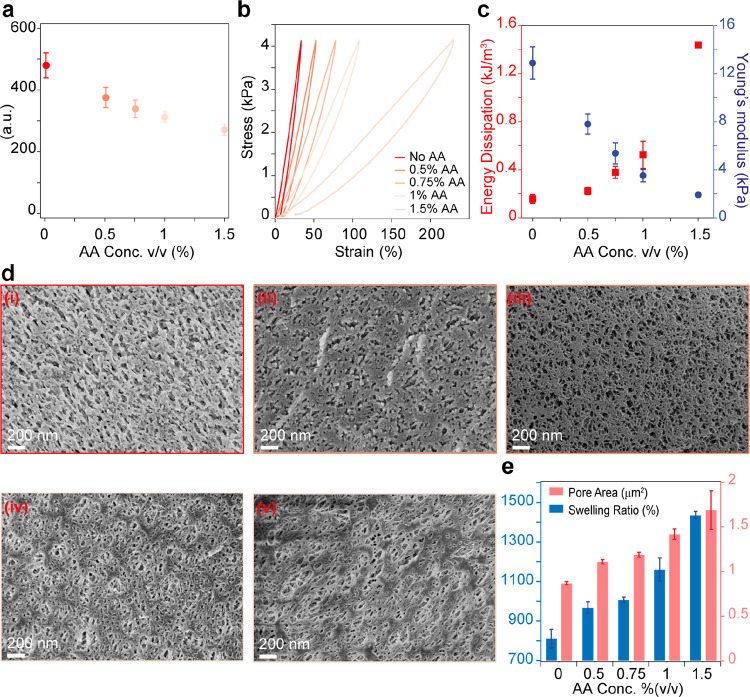
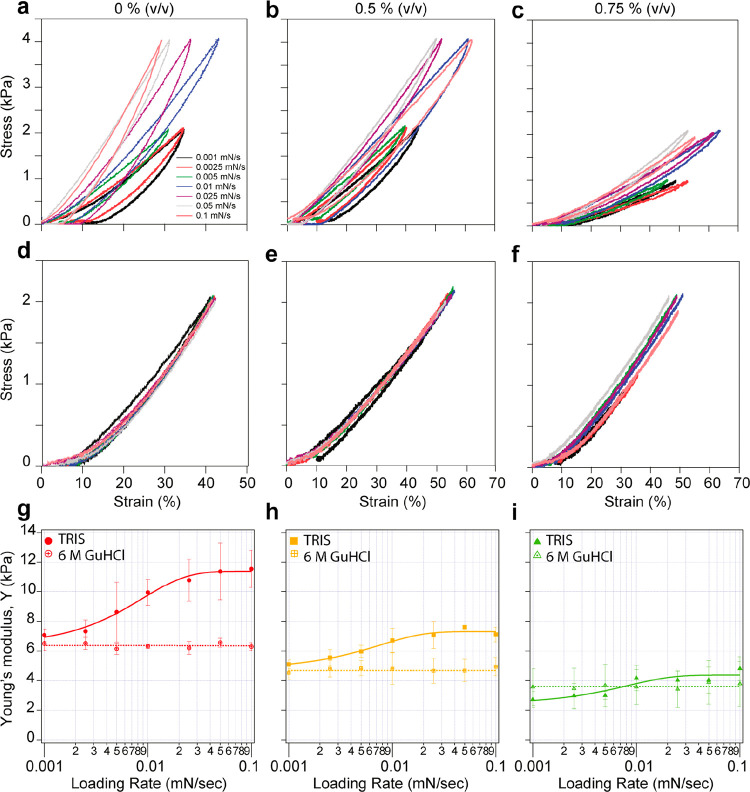
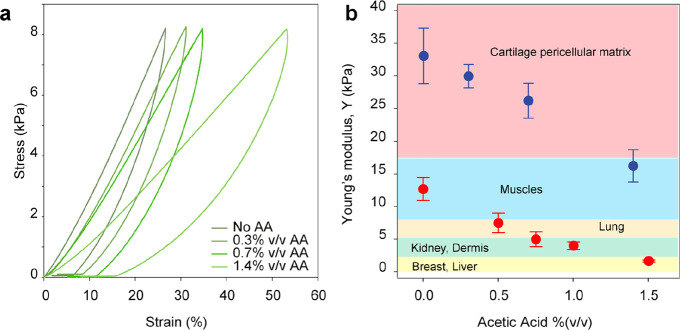
Engineering viscoelastic and biocompatible materials with tailored mechanical and microstructure properties capable of mimicking the biological stiffness (<17 kPa) or serving as bioimplants will bring protein-based hydrogels to the forefront in the biomaterials field. Here, we introduce a method that uses different concentrations of acetic acid (AA) to control the covalent tyrosine-tyrosine cross-linking interactions at the nanoscale level during protein-based hydrogel synthesis and manipulates their mechanical and microstructure properties without affecting protein concentration and (un)folding nanomechanics. We demonstrated this approach by adding AA as a precursor to the preparation buffer of a photoactivated protein-based hydrogel mixture. This strategy allowed us to synthesize hydrogels made from bovine serum albumin (BSA) and eight repeats protein L structure, with a fine-tailored wide range of stiffness (2-35 kPa). Together with protein engineering technologies, this method will open new routes in developing and investigating tunable protein-based hydrogels and extend their application toward new horizons.
Keywords: Biomaterials; Dynamic hydrogels; Protein folding transitions; Protein-based hydrogels; Responsive biomaterials.
Conflict of interest statement
The authors declare no competing financial interest.
Figures
References
-
- Gonzalez-Pujana A.; Vining K. H.; Zhang D. K. Y.; Santos-Vizcaino E.; Igartua M.; Hernandez R. M.; Mooney D. J. Multifunctional Biomimetic Hydrogel Systems to Boost the Immunomodulatory Potential of Mesenchymal Stromal Cells. Biomaterials 2020, 257, 120266. 10.1016/j.biomaterials.2020.120266. - DOI - PMC - PubMed
Publication types
MeSH terms
Substances
LinkOut - more resources
Full Text Sources