


Ammonia promotes the proliferation of bone marrow-derived mesenchymal stem cells by regulating the Akt/mTOR/S6k pathway
- PMID: 36028500
- PMCID: PMC9418171
- DOI: 10.1038/s41413-022-00215-y
Ammonia promotes the proliferation of bone marrow-derived mesenchymal stem cells by regulating the Akt/mTOR/S6k pathway
Erratum in
-
Author Correction: Ammonia promotes the proliferation of bone marrow-derived mesenchymal stem cells by regulating the Akt/mTOR/S6k pathway.Bone Res. 2024 Feb 20;12(1):9. doi: 10.1038/s41413-024-00314-y. Bone Res. 2024. PMID: 38378665 Free PMC article. No abstract available.
Abstract
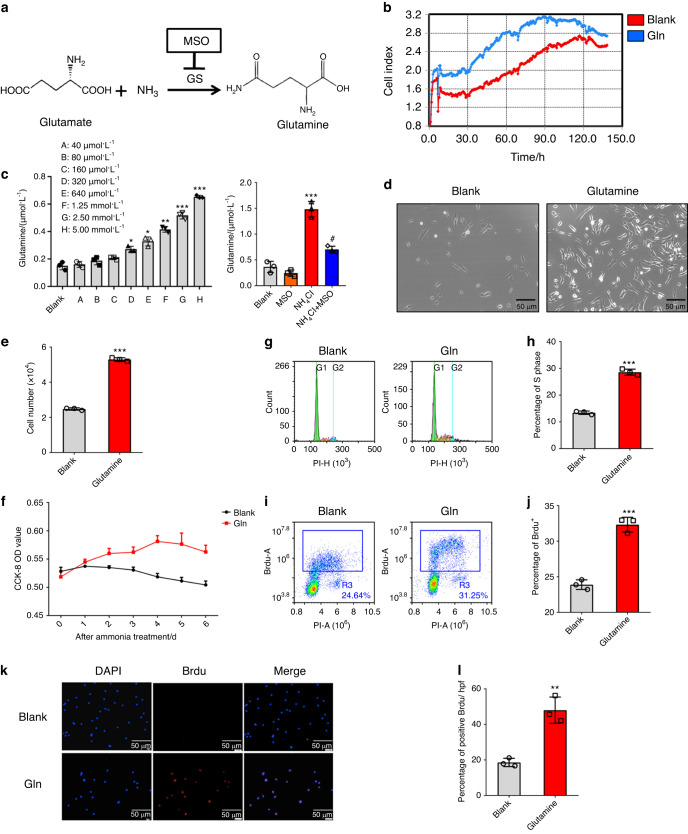
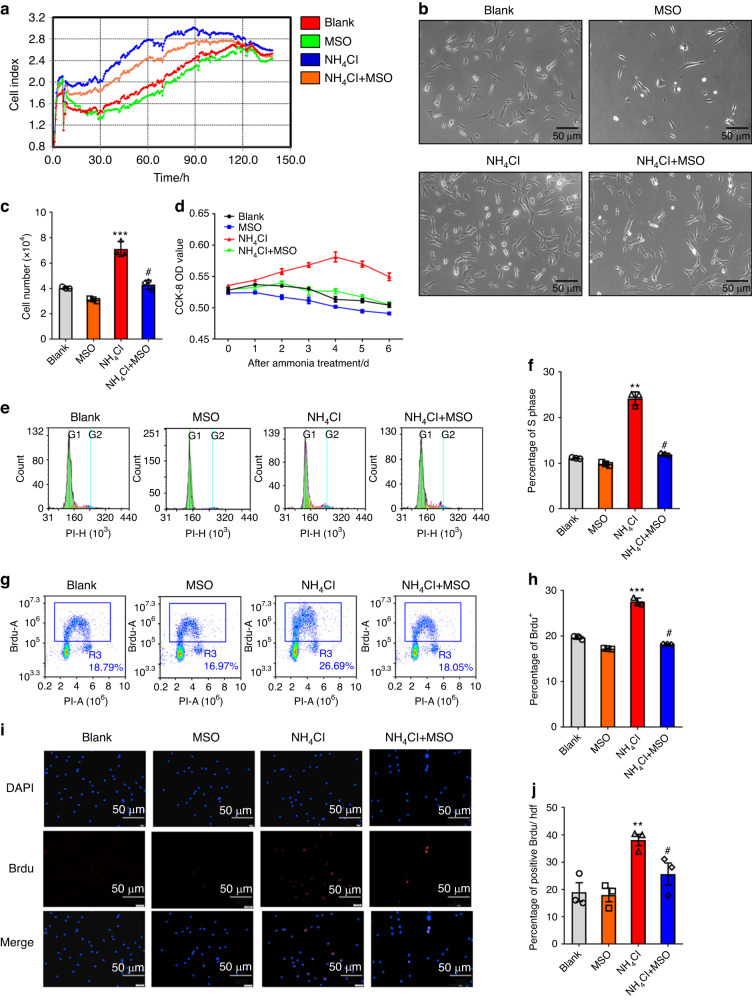
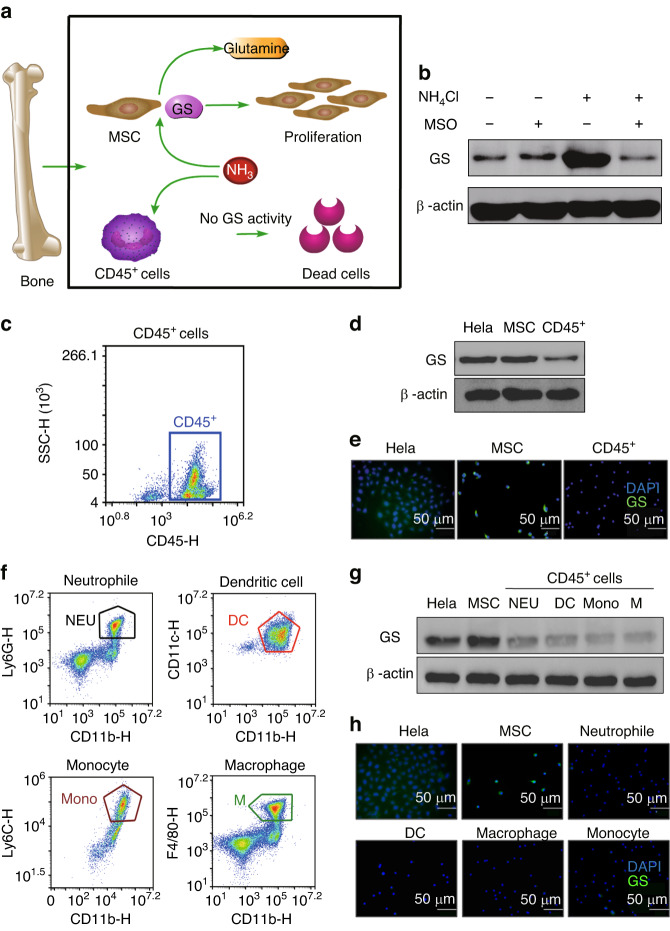
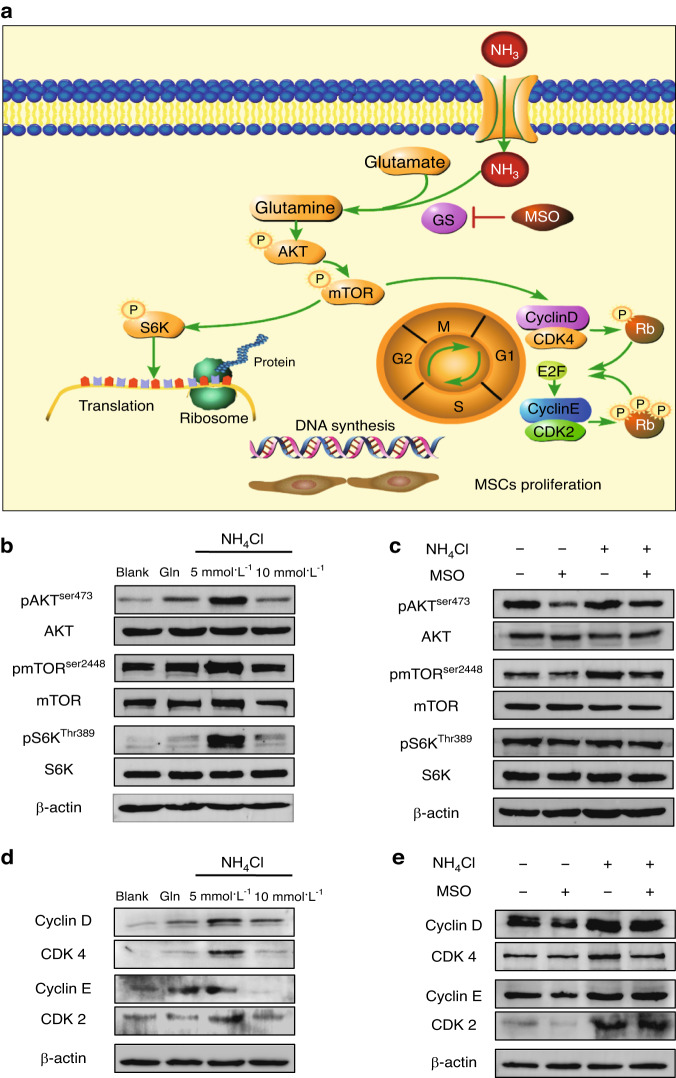
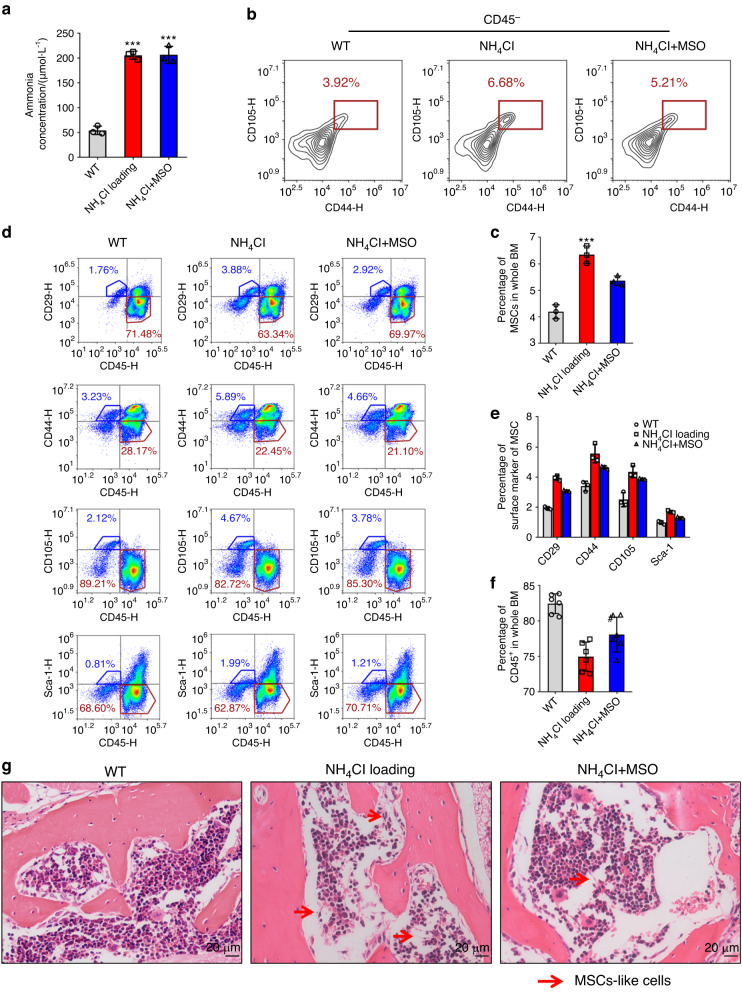
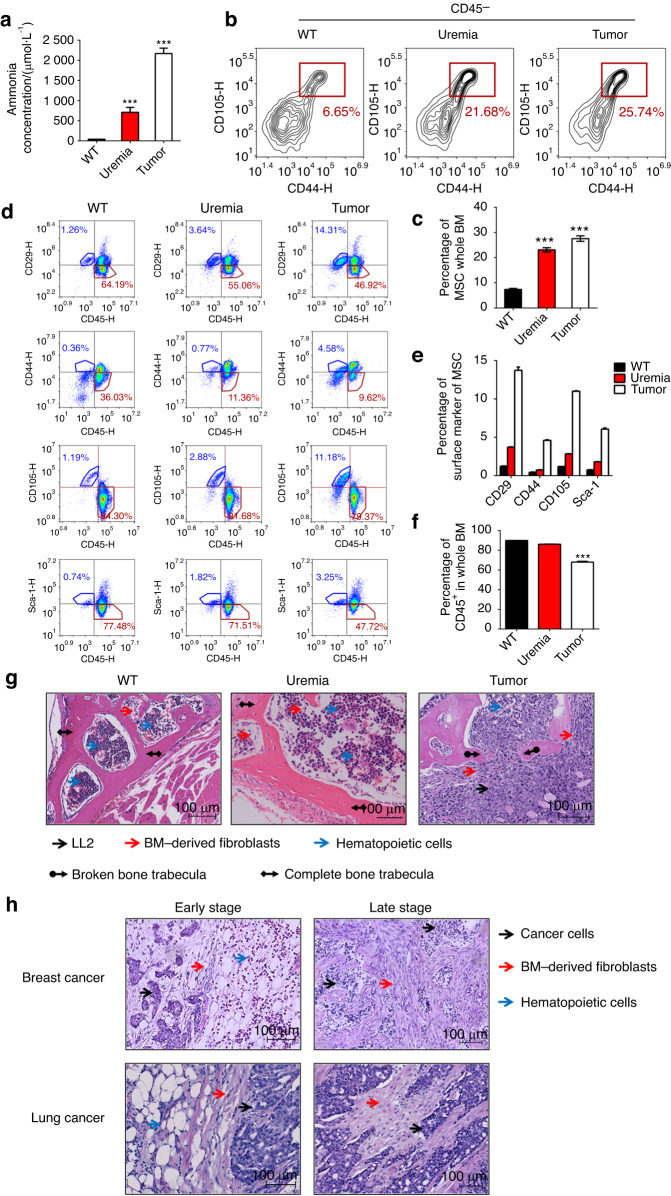
Ammonia plays an important role in cellular metabolism. However, ammonia is considered a toxic product. In bone marrow-derived mesenchymal stem cells, multipotent stem cells with high expression of glutamine synthetase (GS) in bone marrow, ammonia and glutamate can be converted to glutamine via glutamine synthetase activity to support the proliferation of MSCs. As a major nutritional amino acid for biosynthesis, glutamine can activate the Akt/mTOR/S6k pathway to stimulate cell proliferation. The activation of mTOR can promote cell entry into S phase, thereby enhancing DNA synthesis and cell proliferation. Our studies demonstrated that mesenchymal stem cells can convert the toxic waste product ammonia into nutritional glutamine via GS activity. Then, the Akt/mTOR/S6k pathway is activated to promote bone marrow-derived mesenchymal stem cell proliferation. These results suggest a new therapeutic strategy and potential target for the treatment of diseases involving hyperammonemia.
© 2022. The Author(s).
Conflict of interest statement
The authors declare no competing interests.
Figures
References
Grants and funding
LinkOut - more resources
Full Text Sources
Miscellaneous
