


Global prevalence and characteristics of non-suicidal self-injury between 2010 and 2021 among a non-clinical sample of adolescents: A meta-analysis
- PMID: 36032224
- PMCID: PMC9399519
- DOI: 10.3389/fpsyt.2022.912441
Global prevalence and characteristics of non-suicidal self-injury between 2010 and 2021 among a non-clinical sample of adolescents: A meta-analysis
Abstract
Background: Adolescents with immature mind and unstable emotional control are high-risk groups of non-suicidal self-injury (NSSI) behavior. We meta-analyzed the global prevalence of NSSI and prevalence of NSSI characteristics in a non-clinical sample of adolescents between 2010 and 2021.
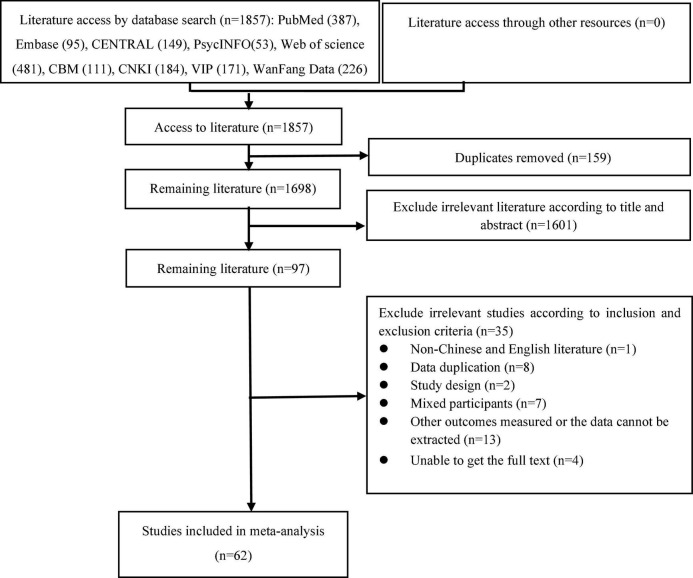
Methods: A systematic search for relevant articles published from January 1, 2010 to June 30, 2021 was performed within the scholarly database search engines of CBM, CNKI, VIP, Wanfang, PubMed, Web of Science, PsycINFO, and Embase. Eligibility criteria were as follows: provided cross-sectional data on the prevalence of NSSI; the subjects were non-clinical sample adolescents; and a clear definition of NSSI was reported. We used the following definiton of NSSI as our standard: the deliberate, self-inflicted destruction of body tissue, such as cutting, burning, and biting, without attempted suicide. The quality evaluation tool for cross-sectional studies recommended by the JBI was used. The global prevalence of NSSI was calculated based on the random-effects model by Comprehensive Meta-analysis version 3.0. Subgroup analyses were performed to compare the prevalence according to sex, living place, smoking or drinking history, and family structure.
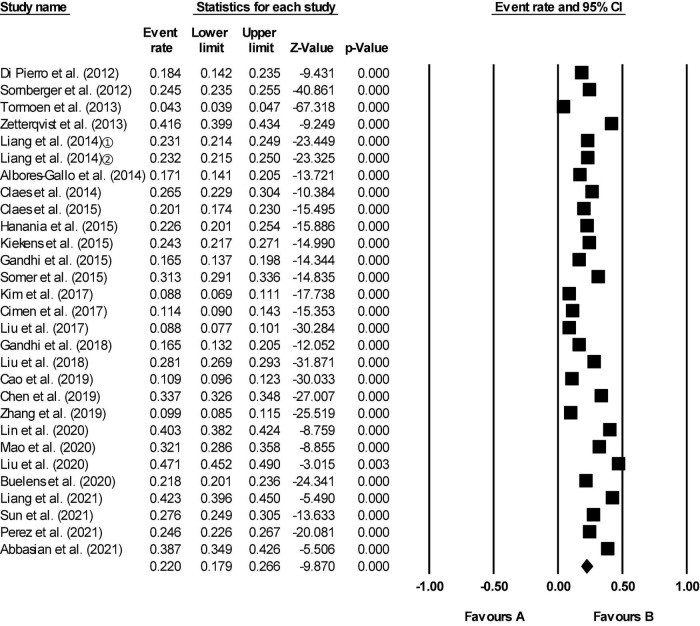
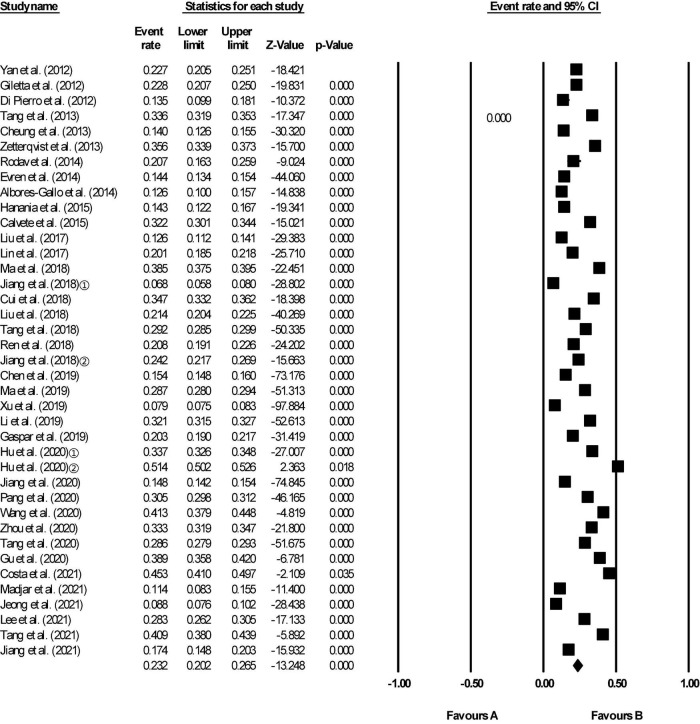
Results: Sixty-two studies involving 264,638 adolescents were included. The aggregate prevalence of NSSI among a non-clinical sample of adolescents was similar between over a lifetime (22.0%, 95% CI 17.9-26.6) and during a 12-month period (23.2%, 95% CI 20.2-26.5). Repetitive NSSI was more common than episodic NSSI (20.3% vs. 8.3%) but the frequency of mild injury (12.6%) was similar to that of moderate injury (11.6%). Multiple-method NSSI occurred slightly more often compared than one-method NSSI (16.0% vs. 11.1%). The top three types of NSSI in adolescents were banging/hitting (12.0%, 95% CI 8.9-15.9), pinching (10.0%, 95% CI 6.7-14.8), and pulling hair (9.8%, 95% CI 8.3-11.5), and the least common type was swallowing drugs/toxic substances/chemicals (1.0%, 95% CI 0.5-2.2). Subgroup analyses showed that being female, smoking, drinking, having siblings, and belonging to a single-parent family may be linked to higher prevalence of NSSI.
Conclusion: This meta-analysis found a high prevalence of NSSI in non-clinical sample of adolescents, but there are some changes in severity, methods, and reasons. Based on the current evidence, adolescents in modern society are more inclined to implement NSSI behavior by a variety of ways, which usually are repetitive, and moderate and severe injuries are gradually increasing. It is also worth noting that adolescents with siblings or in single-parent families are relatively more likely to implement NSSI behavior due to maladjustment to the new family model. Future research needs to continue to elucidate the features and risk factors of NSSI so as to intervene in a targeted way.
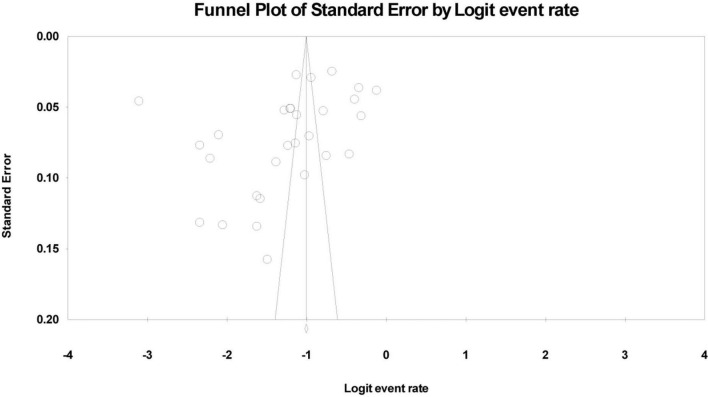
Limitation: The limitation of this study is that the heterogeneity among the included studies is not low, and it is mainly related to Chinese and English studies. The results of this study should be used with caution.
Systematic review registration: [www.crd.york.ac.uk/prospero/], identifier [CRD42022283217].
Keywords: adolescents; characteristics; meta-analysis; non-suicidal self-injury; prevalence.
Copyright © 2022 Xiao, Song, Huang, Hou and Huang.
Conflict of interest statement
The authors declare that the research was conducted in the absence of any commercial or financial relationships that could be construed as a potential conflict of interest.
Figures
References
-
- Yu CF, Xie Q, Lin SY, Liang Y, Wang GD, Nie YG, et al. Cyberbullying victimization and non-suicidal self-injurious behavior among Chinese adolescents: school engagement as a mediator and sensation seeking as a moderator. Front Psychol. (2020) 11:572521. 10.3389/fpsyg.2020.572521 - DOI - PMC - PubMed
Publication types
LinkOut - more resources
Full Text Sources
