


Mathieu Joseph Bonaventure Orfila (1787-1853): The Founder of Modern Toxicology
- PMID: 36032611
- PMCID: PMC9375880
- DOI: 10.26574/maedica.2022.17.2.532
Mathieu Joseph Bonaventure Orfila (1787-1853): The Founder of Modern Toxicology
Abstract
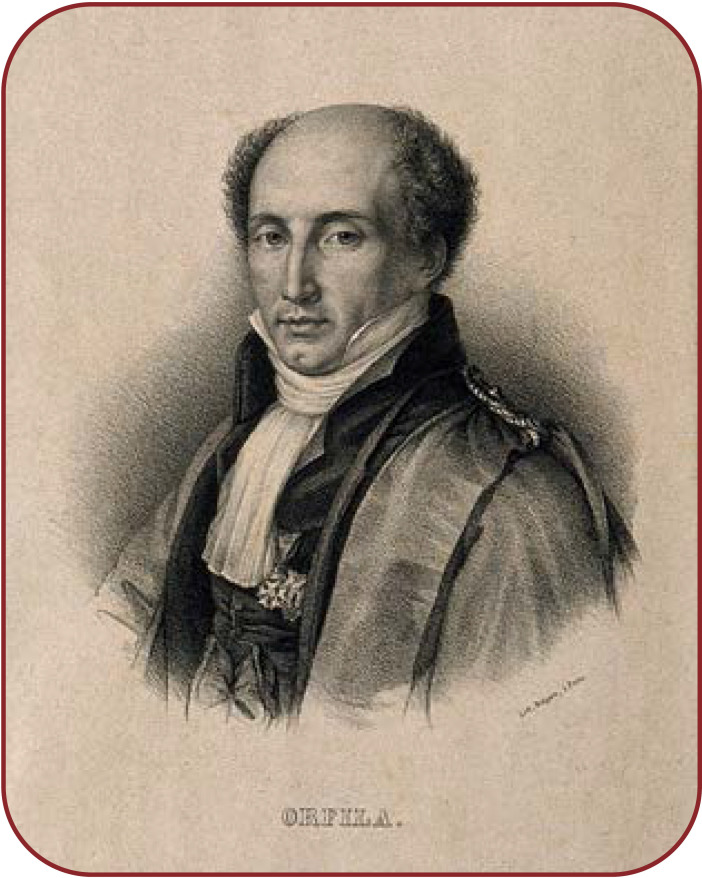
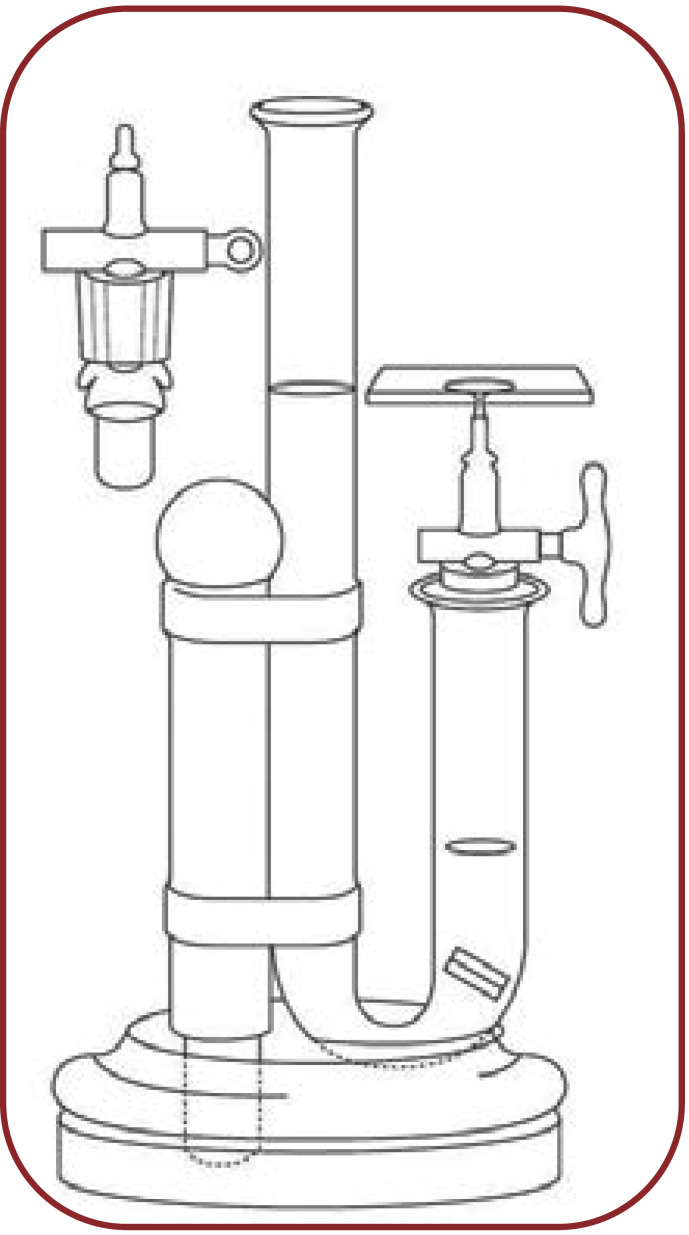
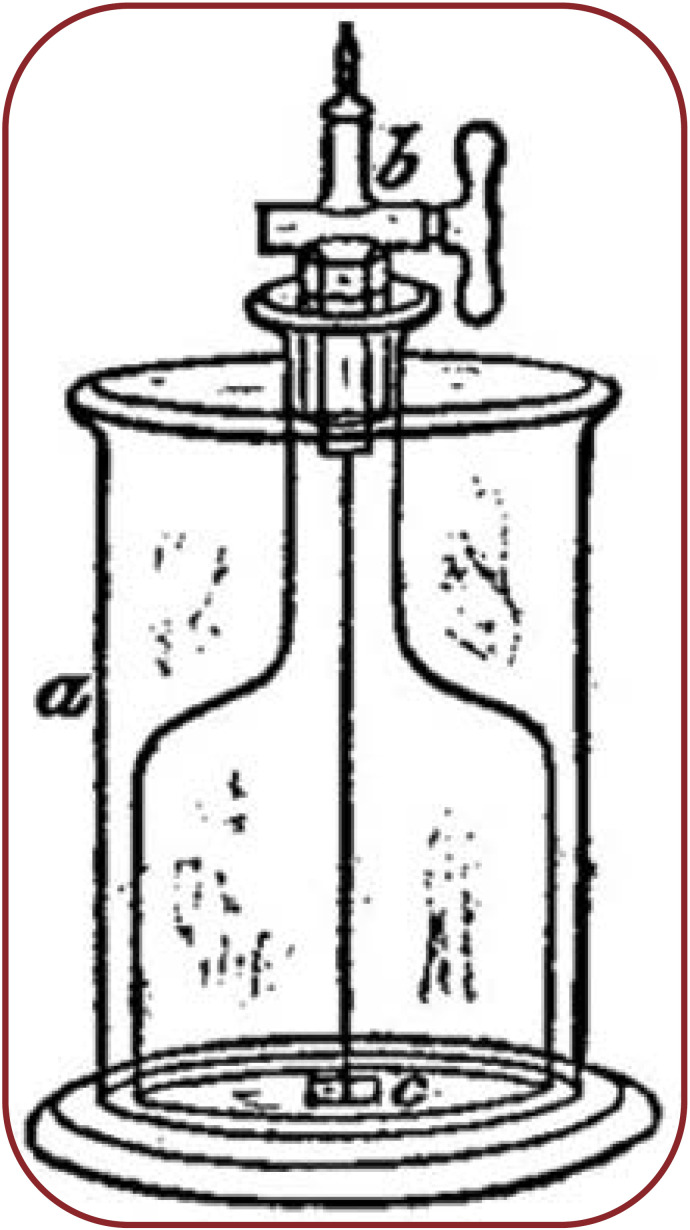
Mateu Joseph Bonaventura Orfila i Rotger was a prominent Spanish chemist and scholar of the 19th century whose experimental work has enormously contributed to the progress of toxicology. Being a pioneer with his research on the effects of toxins and antidotes on live animals, he established basic principles of modern medicine and pharmacology. Orfila improved the accuracy of several chemical techniques such as the Marsh test. He served as an expert and well-known scientific investigator in important legal trials involving alleged poisonings with arsenic and other chemical substances. In 1840, he was asked to investigate the notorious case of Charles Lafarge's death, whose wife had been accused with murder by poisoning his food with arsenic. After four failed chemical analyses, Orfila was finally able to detect arsenic in the victim's body, leading the court to convict Madame Lafarge. Due to his overall contribution to the field, Orfila is considered the father of modern toxicology.
Figures

References
-
- Veskoukis AS. Redox biomarkers in toxicology and nutrition: the social link. In: Tsatsakis A, ed. Toxicological risk assessment and multi-system health impacts from exposure, 1st ed. Academic Press, 2021.
-
- Schüller Pérez A. Vida y obra de Mateo Orfila [Mateo Orfila: a biography]. Anales de la Real Academia Nacional de Medicina (Madrid) 2003. - PubMed
-
- Ramón Bertomeu-Sánchez J, Nieto-Galan A. eds. Chemistry, medicine, and crime: Mateu J.B. Orfila (1787-1853) and his time. Sagamore Beach: Science History Publications, 2006.
Publication types
LinkOut - more resources
Full Text Sources