


Taohong siwu decoction attenuates AIM2 and NLRC4 inflammasomes by ameliorates deoxyribonucleic acid damage after ischemic stroke
- PMID: 36034843
- PMCID: PMC9411787
- DOI: 10.3389/fphar.2022.954867
Taohong siwu decoction attenuates AIM2 and NLRC4 inflammasomes by ameliorates deoxyribonucleic acid damage after ischemic stroke
Abstract
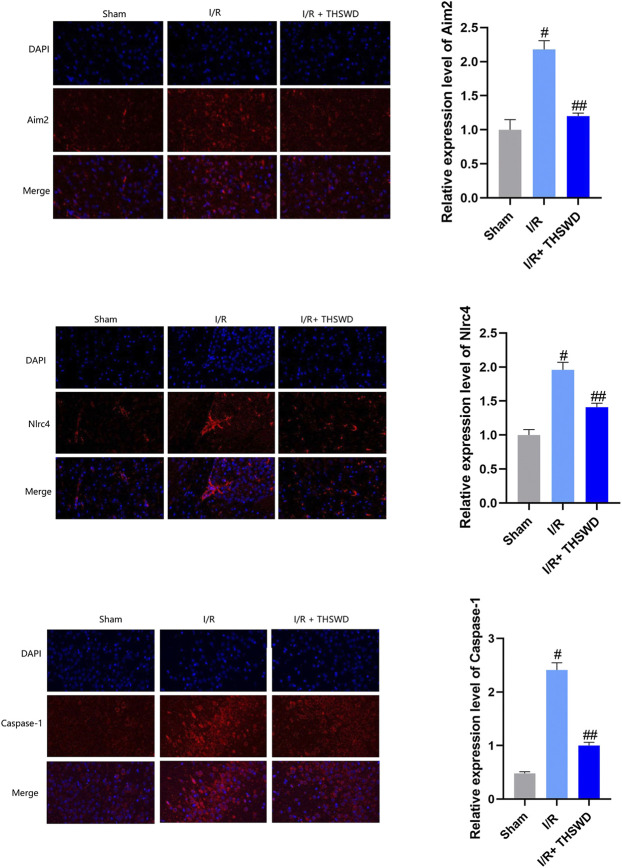
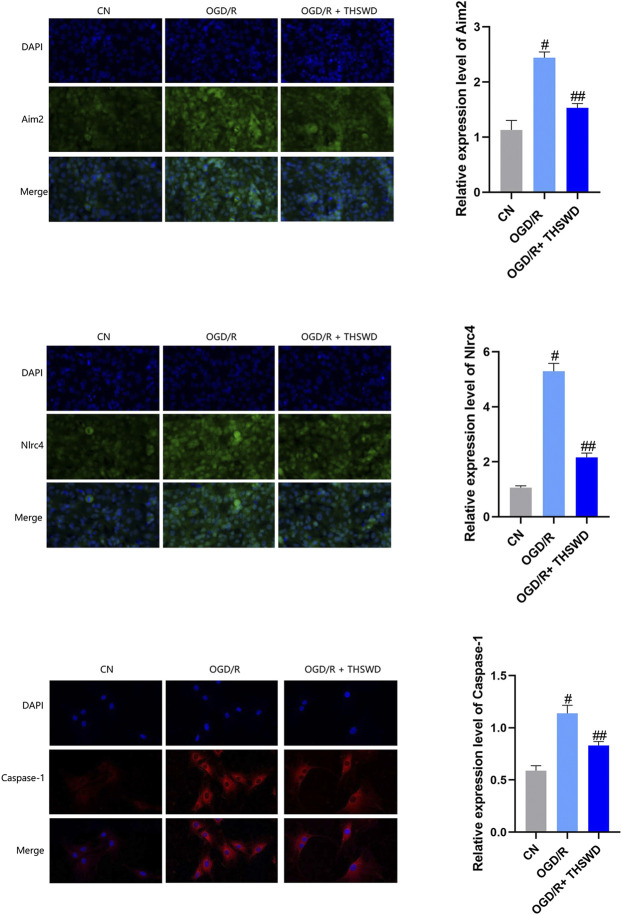
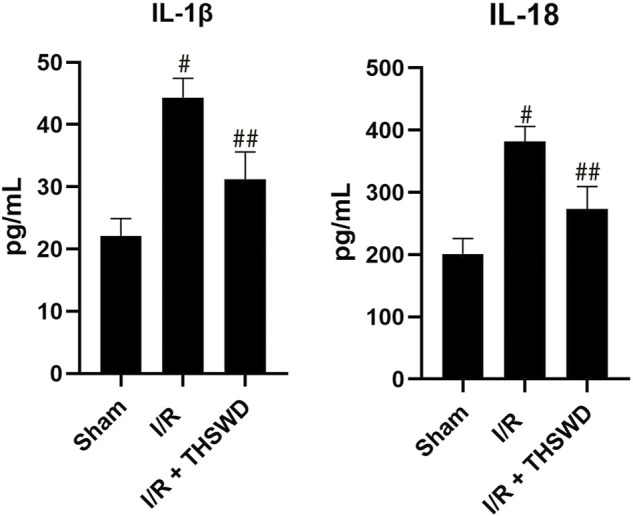
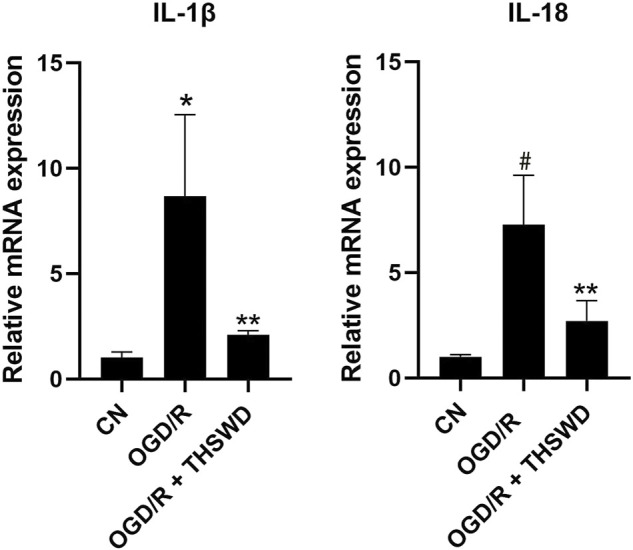
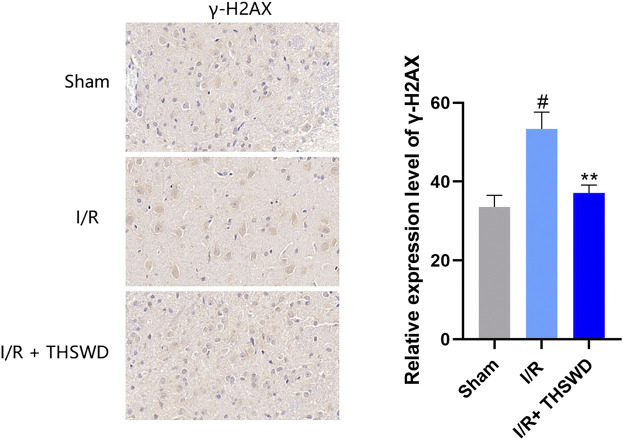
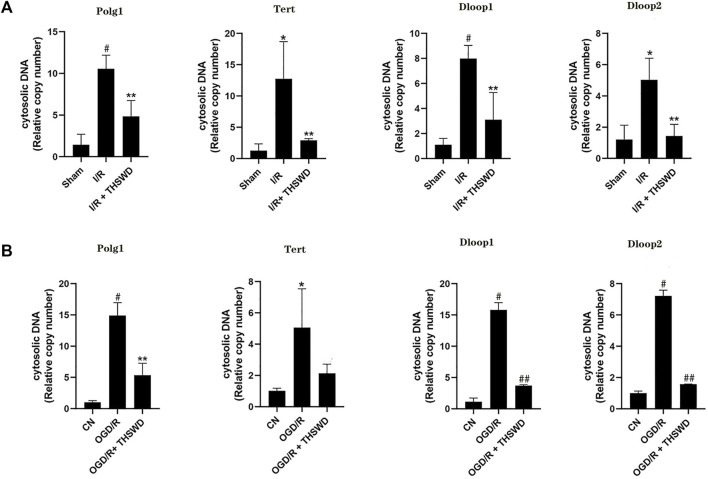
Taohong siwu decoction (THSWD) has been shown to have a therapeutic effect on ischemic strokes (IS). However, it is not clear to us whether THSWD reduces deoxyribonucleic acid (DNA) damage after stroke and reduces the inflammatory response caused by the damage. Therefore, we constructed an IS model (I/R) in rats and performed oxygen-glucose deprivation/reoxygenation (OGD/R) on BV2 cells. Then ELISA, immunofluorescence staining, immunohistochemistry staining, and RT-qPCR were performed to detect the expressions of absent in melanoma 2 (AIM2), NLRC4, and Caspase-1 inflammasomes and other inflammatory factors. Experimental stroke causes DNA damage, and we found that the aforementioned inflammasomes as well as inflammatory factors were significantly inhibited after treatment with THSWD by comparing the model group with the model administration group. In addition, we examined the expression of AIM2, NLRC4, and Caspase-1 in BV2 cells of OGD/R and found that the expression of the aforementioned inflammasomes was significantly decreased in OGD/R by administration of THSWD-containing serum. Our data suggest that THSWD can reduced DNA damage after stroke as well as the inflammatory response caused by the damage.
Keywords: AIM2; NLRC4; Taohong Siwu Decoction; inflammasomes; ischemic stroke.
Copyright © 2022 Wang, Chu, Zhang, Fei, Yu, Xue, Wang, Fang, Peng, Duan and Chen.
Conflict of interest statement
The authors declare that the research was conducted in the absence of any commercial or financial relationships that could be construed as a potential conflict of interest.
Figures

References
-
- Dasdelen D., Solmaz M., Menevse E., Mogulkoc R., Baltaci A. K., Erdogan E., et al. (2021). Increased apoptosis, tumor necrosis factor-α, and DNA damage attenuated by 3', 4'-dihydroxyflavonol in rats with brain İschemia-reperfusion. Indian J. Pharmacol. 53 (1), 39–49. 10.4103/ijp.IJP_727_20 - DOI - PMC - PubMed
LinkOut - more resources
Full Text Sources
