


Hematological and Biochemical changes in Schistosoma mansoni infected patients at Haik Primary Hospital, North-East Ethiopia: A comparative cross-sectional study
- PMID: 36040929
- PMCID: PMC9467371
- DOI: 10.1371/journal.pntd.0010728
Hematological and Biochemical changes in Schistosoma mansoni infected patients at Haik Primary Hospital, North-East Ethiopia: A comparative cross-sectional study
Abstract
Background: Schistosomes are blood dwelling parasites that affect more than 260 million people globally, and over 800 million people are at risk of infection in 74 countries. It causes acute and chronic debilitating diseases. The parasite is reported to alter the hematological and biochemical parameters in humans. Therefore, this study was aimed to evaluate the hematological and biochemical changes in S. mansoni infected adult patients compared to apparently healthy controls.
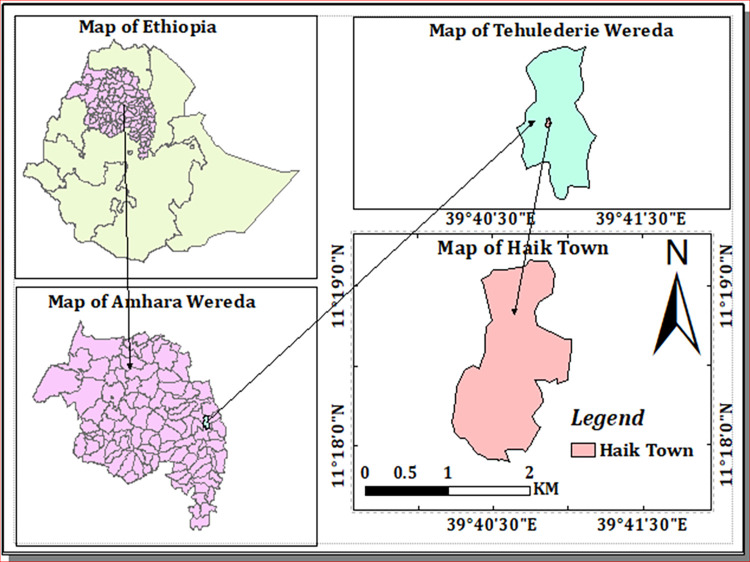
Methods: A comparative cross-sectional study was conducted at Haik Primary Hospital from February to April 2021. One hundred and eighty study participants consisting of 90 S. mansoni infected patients and 90 apparently healthy controls were recruited using systematic random sampling method. Socio-demographic characteristics and other variables were collected using questionnaires. Stool sample was examined microscopically to detect S. mansoni infection using direct wet mount and Kato Katz technique. In apparently healthy controls, S. mansoni infection was rule out using direct wet mount and Kato Katz technique. Moreover, the intensity of S. mansoni infection was assessed using Kato Katz technique. Blood sample was collected from each study participant to determine the hematological and biochemical profiles. Data were entered in to Epi Data version 3.1 and analyzed using SPSS version 26.0 software. Kolmogorov-Smirnov and Shapiro Wilk normality tests were done to assess the distribution of continuous variables. The Mann-Whitney U test and Kruskal Wallis H test was done to compare the differences among nonnormally distributed variables between S. mansoni infected patients and healthy controls. P-values <0.05 at 95%CI were considered as statistically significant.
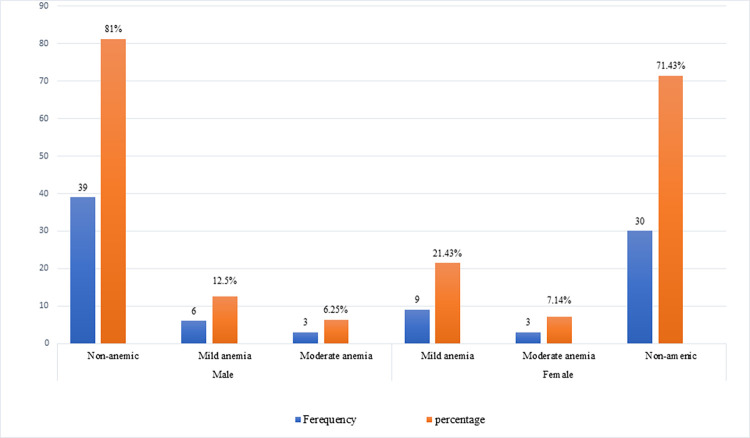
Result: The mean age (SD) of S. mansoni infected patients and apparently healthy controls was 30.33 (±12.26) and 31.2 (±12.85) years old, respectively. The prevalence of anemia, and thrombocytopenia among S. mansoni infected patients were 23.3% and 26.7%, respectively. Erythrocytic sedimentation rate (ESR) was significantly elevated among S. mansoni infected patients than apparently healthy controls. The median white blood cell count, red blood cell count, red blood cell indices, and platelet indices were significantly lower among S. mansoni infected patients compared to apparently healthy controls (P<0.05). On the other hand, the median eosinophil count was significantly elevated among S. mansoni infected patients compared to apparently healthy controls (P<0.05). This study also showed significantly elevated values of serum alanine aminotransferase, aspartate aminotransferase, alkaline phosphatase, and direct bilirubin and lower albumin, total cholesterol and triglycerides among S. mansoni infected patients compared to apparently healthy controls. Kruskal Wallis H test showed a significant difference in the median of most hematological and biochemical parameters between moderate and heavy intensity of infection with light intensity of infection and apparently healthy controls.
Conclusion: The findings of this study showed significantly altered hematological values and liver function tests among S. mansoni infected patients compared to apparently healthy controls. Therefore, screening of S. mansoni infected patients for various hematological and biochemical parameters and providing treatment to the underlying abnormalities is very crucial to avoid schistosomiasis associated morbidity and mortality.
Conflict of interest statement
The authors have declared that no competing interests exist.
Figures
References
-
- Joseph B Freer, Claire D Bourke, Gunn H Durhuus, Eyrun F Kjetland, J Prendergast Andrew. Schistosomiasis in the first 1000 days. Lancet Infectious Diseases. 2017; - PubMed
-
- WHO Expert Committee. Prevention and control of schistosomiasis and soil-transmitted helminthiasis. WHO Technical Report. 2002; - PubMed
Publication types
MeSH terms
LinkOut - more resources
Full Text Sources
Miscellaneous
