


Polyphenols Targeting Oxidative Stress in Spinal Cord Injury: Current Status and Future Vision
- PMID: 36046682
- PMCID: PMC9423984
- DOI: 10.1155/2022/8741787
Polyphenols Targeting Oxidative Stress in Spinal Cord Injury: Current Status and Future Vision
Abstract
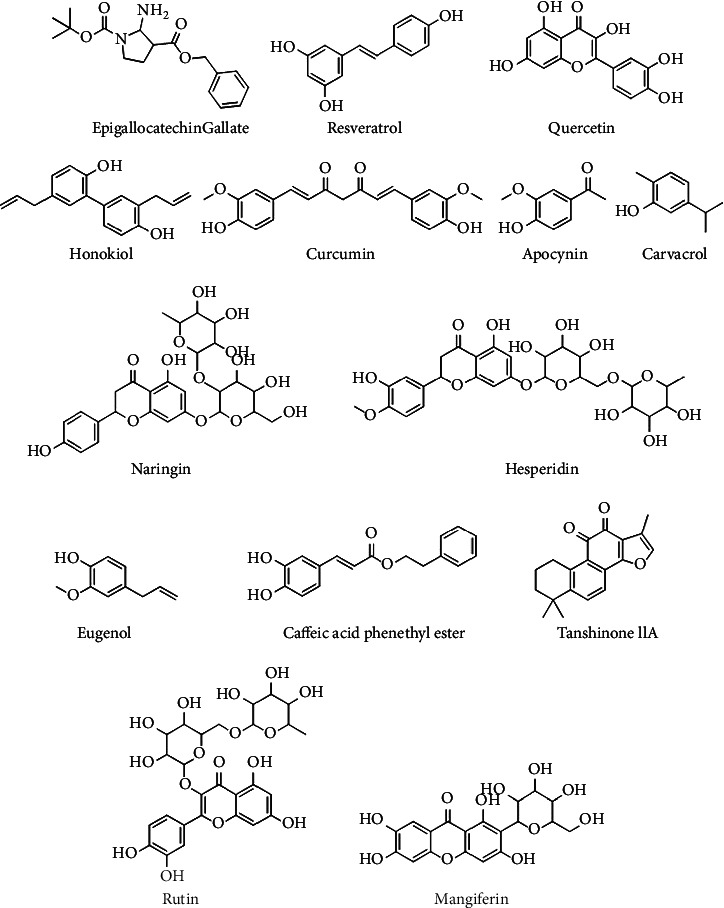
A spinal cord injury (SCI) occurs when the spinal cord is deteriorated or traumatized, leading to motor and sensory functions lost even totally or partially. An imbalance within the generation of reactive oxygen species and antioxidant defense levels results in oxidative stress (OS) and neuroinflammation. After SCI, OS and occurring pathways of inflammations are significant strenuous drivers of cross-linked dysregulated pathways. It emphasizes the significance of multitarget therapy in combating SCI consequences. Polyphenols, which are secondary metabolites originating from plants, have the promise to be used as alternative therapeutic agents to treat SCI. Secondary metabolites have activity on neuroinflammatory, neuronal OS, and extrinsic axonal dysregulated pathways during the early stages of SCI. Experimental and clinical investigations have noted the possible importance of phenolic compounds as important phytochemicals in moderating upstream dysregulated OS/inflammatory signaling mediators and axonal regeneration's extrinsic pathways after the SCI probable significance of phenolic compounds as important phytochemicals in mediating upstream dysregulated OS/inflammatory signaling mediators. Furthermore, combining polyphenols could be a way to lessen the effects of SCI.
Copyright © 2022 Fahadul Islam et al.
Conflict of interest statement
The authors proclaim that they have no conflicts of interest.
Figures
References
-
- Islam F., Nafady M. H., Islam M., et al. Resveratrol and neuroprotection: an insight into prospective therapeutic approaches against Alzheimer’s disease from bench to bedside. Molecular Neurobiology . 2022;59:4384–4404. - PubMed
Publication types
MeSH terms
Substances
LinkOut - more resources
Full Text Sources
Medical
