


Potential application of the haematology analyser XN-31 prototype for field malaria surveillance in Kenya
- PMID: 36050757
- PMCID: PMC9434510
- DOI: 10.1186/s12936-022-04259-7
Potential application of the haematology analyser XN-31 prototype for field malaria surveillance in Kenya
Abstract
Background: Simple and accurate diagnosis is a key component of malaria control programmes. Microscopy is the current gold standard, however it requires extensive training and the results largely rely on the skill of the microscopists. Malaria rapid diagnostic tests (RDT) can be performed with minimal training and offer timely diagnosis, but results are not quantitative. Moreover, some Plasmodium falciparum parasites have evolved and can no longer be detected by existing RDT. Developed by the Sysmex Corporation, the XN-31 prototype (XN-31p) is an automated haematology analyser capable of detecting Plasmodium-infected erythrocytes and providing species differentiation and stage specific parasite counts in venous blood samples without any preparation in approximately one minute. However, factors such as stable electricity supply in a temperature-controlled room, cost of the instrument and its initial set-up, and need for proprietary reagents limit the utility of the XN-31p across rural settings. To overcome some of these limitations, a hub and spoke diagnosis model was designed, in which peripheral health facilities were linked to a central hospital where detection of Plasmodium infections by the XN-31p would take place. To explore the feasibility of this concept, the applicability of capillary blood samples with the XN-31p was evaluated with respect to the effect of sample storage time and temperature on the stability of results.
Methods: Paired capillary and venous blood samples were collected from 169 malaria-suspected outpatients in Homa Bay County Referral Hospital, Kenya. Malaria infections were diagnosed with the XN-31p, microscopy, RDT, and PCR. Capillary blood samples were remeasured on the XN-31p after 24 h of storage at either room (15-25 °C) or chilled temperatures (2-8 °C).
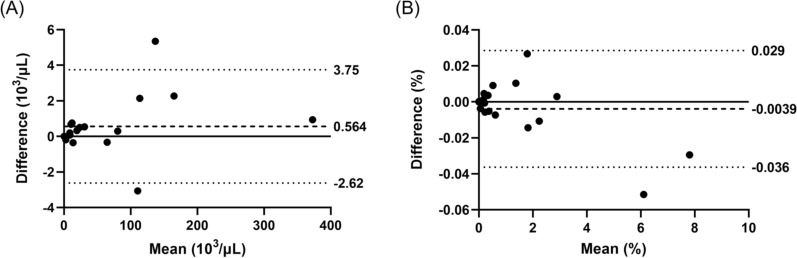
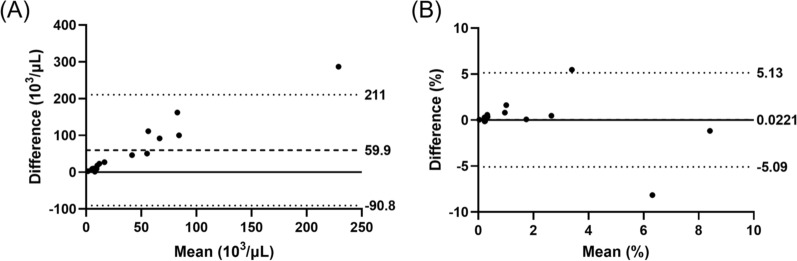
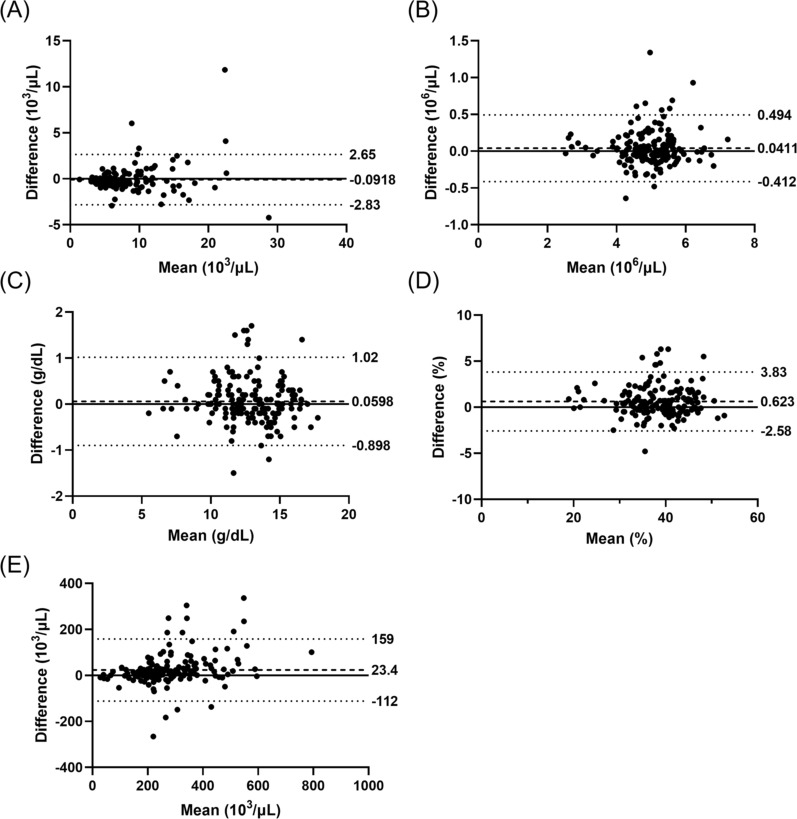
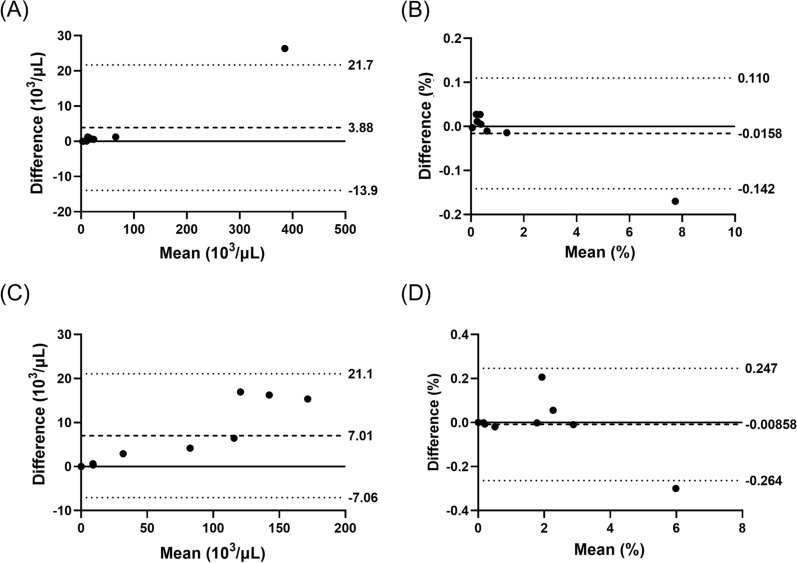
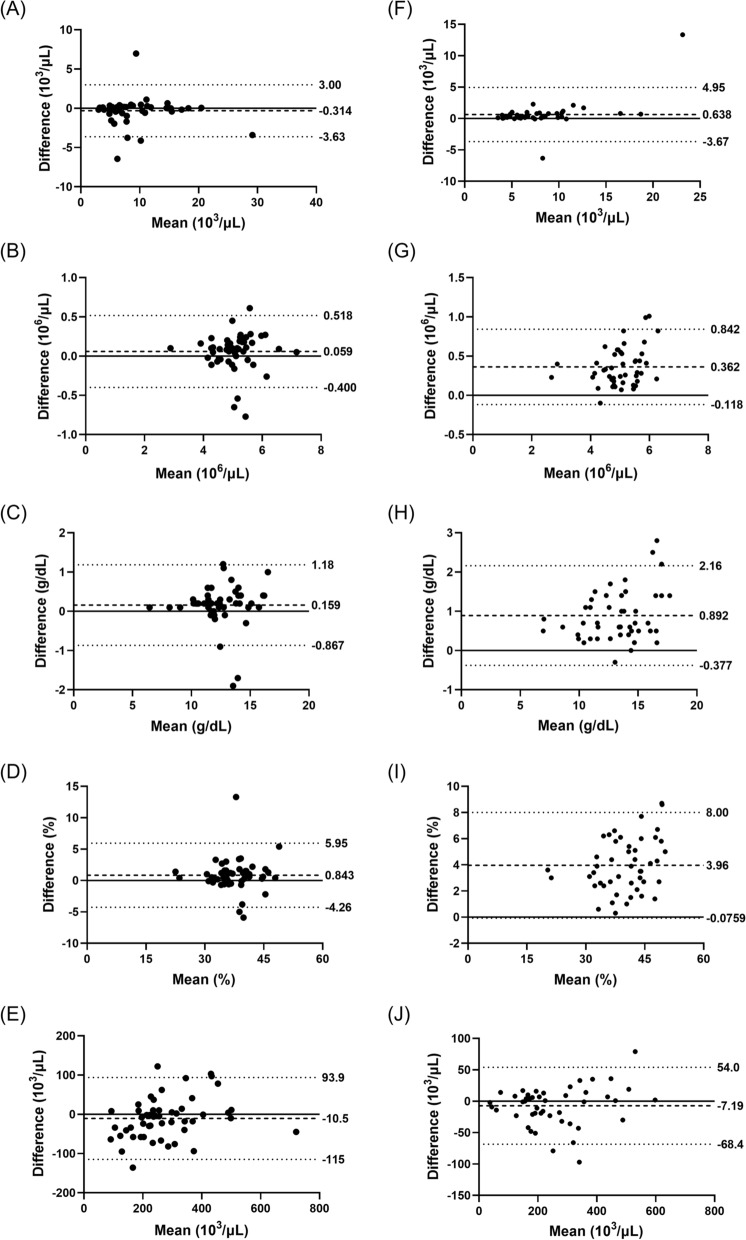
Results: Identical results in malaria diagnosis were observed between venous and capillary blood samples processed immediately after collection with the XN-31p. Relative to PCR, the sensitivity and specificity of the XN-31p with capillary blood samples were 0.857 and 1.000, respectively. Short-term storage of capillary blood samples at chilled temperatures had no adverse impact on parasitaemia and complete blood counts (CBC) measured by the XN-31p.
Conclusion: These results demonstrate the potential of the XN-31p to improve routine malaria diagnosis across remote settings using a hub and spoke model.
© 2022. The Author(s).
Conflict of interest statement
This study was partially supported by the research grant from Sysmex Corporation.
Figures
References
-
- WHO . World Malaria Report 2021. Geneva: World Health Organization; 2021.
-
- WHO. Global technical strategy for malaria 2016–2030, 2021 Update. Geneva, World Health Organization, 2021. https://apps.who.int/iris/bitstream/handle/10665/186671/9789243564999_sp.... Accessed 19 Dec 2021.
-
- WHO. Malaria Microscopy Quality Assurance Manual – Version 2. Geneva, World Health Organization, 2016. www.who.int. Accessed 19 Dec 2021.
MeSH terms
Grants and funding
LinkOut - more resources
Full Text Sources
Medical
