


Development and internal validation of a machine learning prediction model for low back pain non-recovery in patients with an acute episode consulting a physiotherapist in primary care
- PMID: 36057717
- PMCID: PMC9440317
- DOI: 10.1186/s12891-022-05718-7
Development and internal validation of a machine learning prediction model for low back pain non-recovery in patients with an acute episode consulting a physiotherapist in primary care
Abstract
Background: While low back pain occurs in nearly everybody and is the leading cause of disability worldwide, we lack instruments to accurately predict persistence of acute low back pain. We aimed to develop and internally validate a machine learning model predicting non-recovery in acute low back pain and to compare this with current practice and 'traditional' prediction modeling.
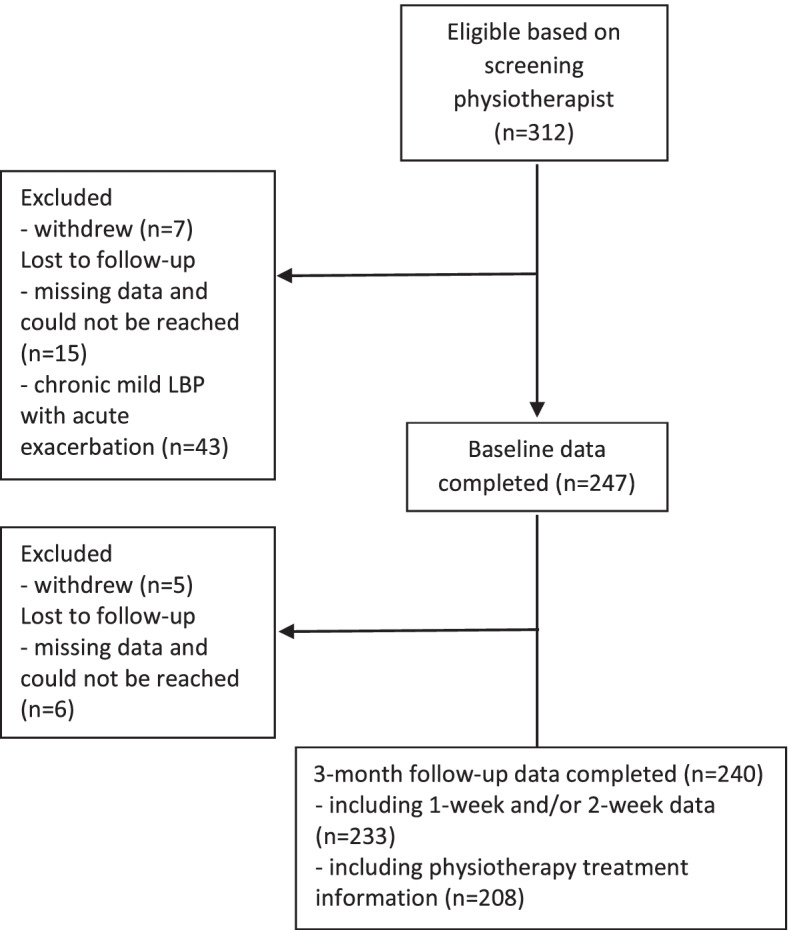
Methods: Prognostic cohort-study in primary care physiotherapy. Patients (n = 247) with acute low back pain (≤ one month) consulting physiotherapists were included. Candidate predictors were assessed by questionnaire at baseline and (to capture early recovery) after one and two weeks. Primary outcome was non-recovery after three months, defined as at least mild pain (Numeric Rating Scale > 2/10). Machine learning models to predict non-recovery were developed and internally validated, and compared with two current practices in physiotherapy (STarT Back tool and physiotherapists' expectation) and 'traditional' logistic regression analysis.
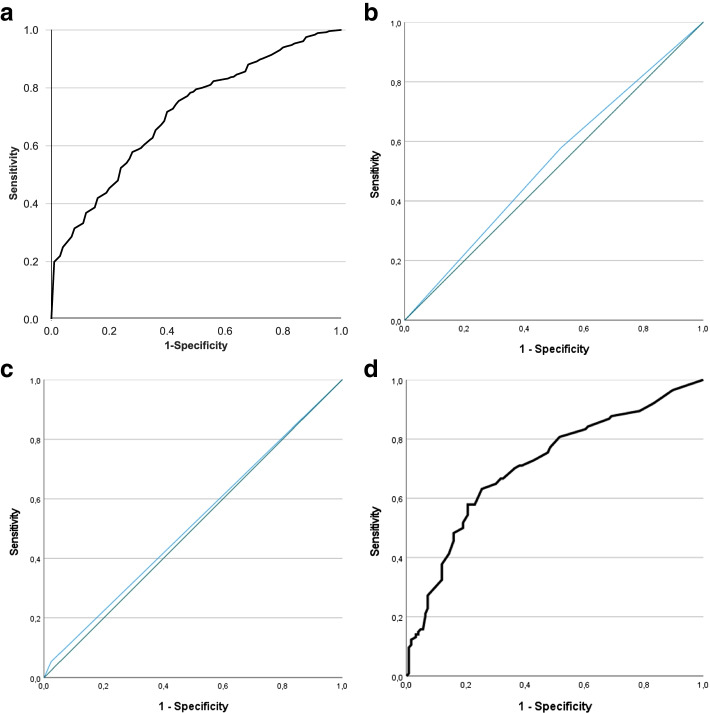
Results: Forty-seven percent of the participants did not recover at three months. The best performing machine learning model showed acceptable predictive performance (area under the curve: 0.66). Although this was no better than a'traditional' logistic regression model, it outperformed current practice.
Conclusions: We developed two prognostic models containing partially different predictors, with acceptable performance for predicting (non-)recovery in patients with acute LBP, which was better than current practice. Our prognostic models have the potential of integration in a clinical decision support system to facilitate data-driven, personalized treatment of acute low back pain, but needs external validation first.
Keywords: Acute; Low back pain; Machine learning; Prognostic; Recovery.
© 2022. The Author(s).
Conflict of interest statement
Knoop is associate editor of BMC Musculoskeletal Disorders. Staal is senior editors board member of BMC Musculoskeletal Disorders. All other authors declare that they have no competing interests.
Figures
References
MeSH terms
Grants and funding
- PRJ006137/Nationaal Regieorgaan Praktijkgericht Onderzoek SIA
- PRJ006137/Nationaal Regieorgaan Praktijkgericht Onderzoek SIA
- PRJ006137/Nationaal Regieorgaan Praktijkgericht Onderzoek SIA
- PRJ006137/Nationaal Regieorgaan Praktijkgericht Onderzoek SIA
- PRJ006137/Nationaal Regieorgaan Praktijkgericht Onderzoek SIA
LinkOut - more resources
Full Text Sources
Miscellaneous
