


Current trends in COVID-19 diagnosis and its new variants in physiological fluids: Surface antigens, antibodies, nucleic acids, and RNA sequencing
- PMID: 36060607
- PMCID: PMC9425703
- DOI: 10.1016/j.trac.2022.116750
Current trends in COVID-19 diagnosis and its new variants in physiological fluids: Surface antigens, antibodies, nucleic acids, and RNA sequencing
Abstract
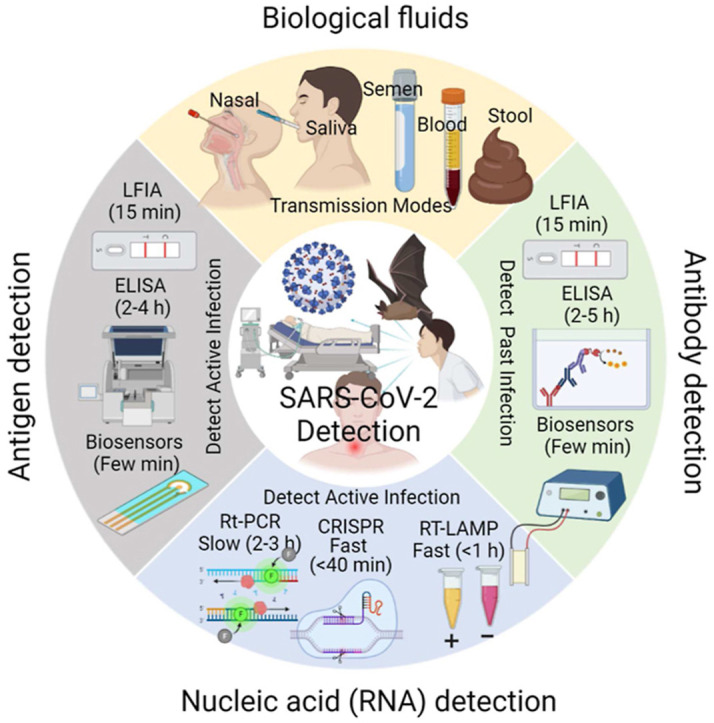
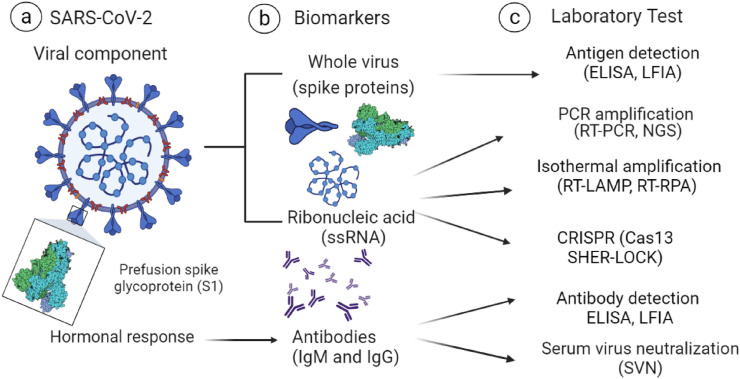
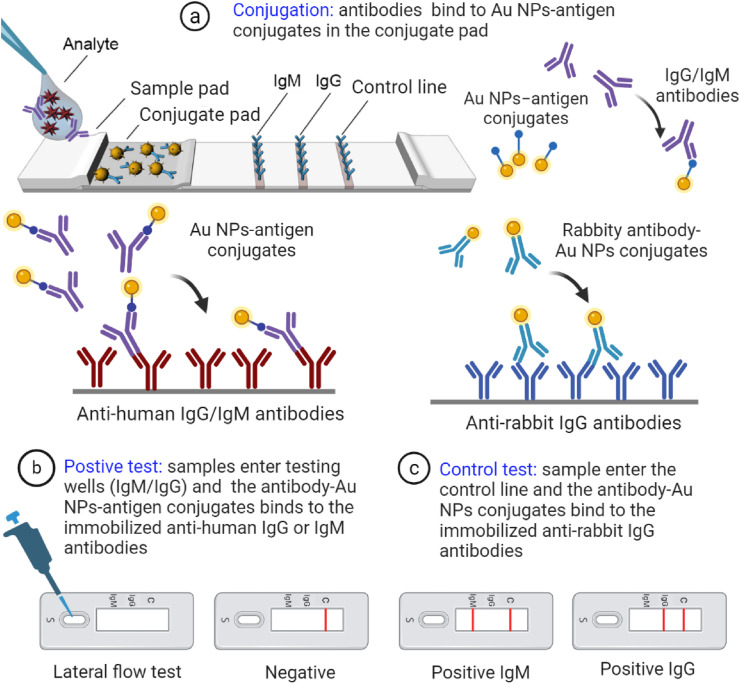
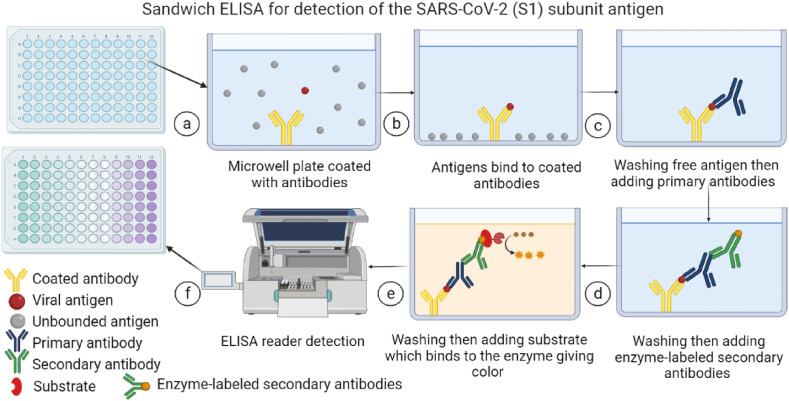
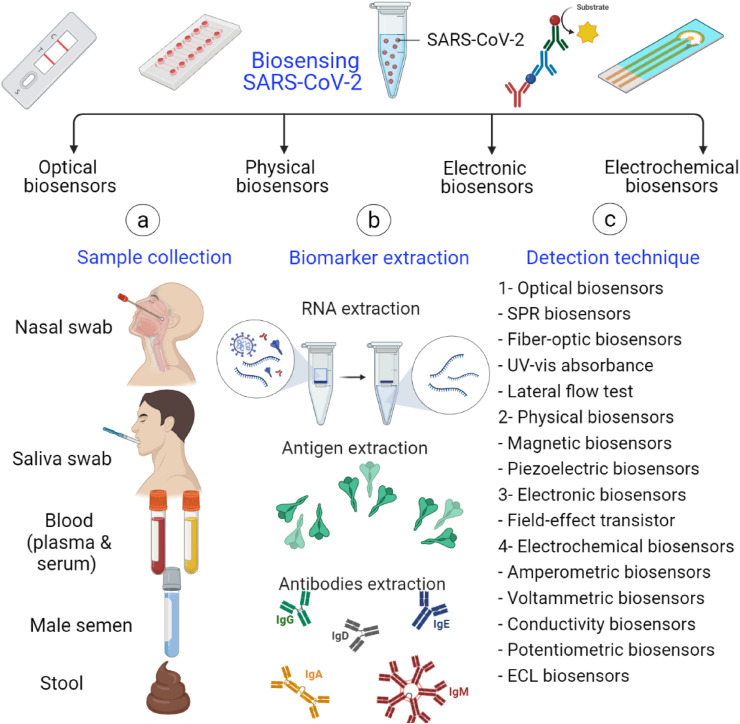
Rapid, highly sensitive, and accurate virus circulation monitoring techniques are critical to limit the spread of the virus and reduce the social and economic burden. Therefore, point-of-use diagnostic devices have played a critical role in addressing the outbreak of COVID-19 (SARS-CoV-2) viruses. This review provides a comprehensive overview of the current techniques developed for the detection of SARS-CoV-2 in various body fluids (e.g., blood, urine, feces, saliva, tears, and semen) and considers the mutations (i.e., Alpha, Beta, Gamma, Delta, Omicron). We classify and comprehensively discuss the detection methods depending on the biomarker measured (i.e., surface antigen, antibody, and nucleic acid) and the measurement techniques such as lateral flow immunoassay (LFIA), enzyme-linked immunosorbent assay (ELISA), reverse transcriptase-polymerase chain reaction (RT-PCR), reverse transcription loop-mediated isothermal amplification (RT-LAMP), microarray analysis, clustered regularly interspaced short palindromic repeats (CRISPR) and biosensors. Finally, we addressed the challenges of rapidly identifying emerging variants, detecting the virus in the early stages of infection, the detection sensitivity, selectivity, and specificity, and commented on how these challenges can be overcome in the future.
Keywords: Biosensors; COVID-19 virus diagnosis; Clustered regularly interspaced short palindromic repeats; Enzyme-linked immunosorbent assay; Lateral flow immunoassay; Loop-mediated isothermal amplification; Microarray assays; Reverse transcriptase-polymerase chain reaction.
© 2022 The Authors.
Conflict of interest statement
The authors declare that they have no known competing financial interests or personal relationships that could have appeared to influence the work reported in this paper.
Figures

References
-
- Oran D.P., Topol E.J. 2020. Prevalence of Asymptomatic SARS-CoV-2 Infection; pp. 362–367. Https://Doi.Org/10.7326/M20-3012. 173. - DOI - PMC - PubMed
-
- Struyf T., Deeks J.J., Dinnes J., Takwoingi Y., Davenport C., Leeflang M.M., Spijker R., Hooft L., Emperador D., Domen J., Horn S.R.A., Van den Bruel A., C.C.-19 D.T.A. Group Signs and symptoms to determine if a patient presenting in primary care or hospital outpatient settings has COVID-19. Cochrane Database Syst. Rev. 2021 doi: 10.1002/14651858.CD013665.PUB2. 2021. - DOI - PMC - PubMed
Publication types
LinkOut - more resources
Full Text Sources
Other Literature Sources
Miscellaneous