


Body physiological responses of city bus drivers subjected to noise and vibration exposure in working environment
- PMID: 36060995
- PMCID: PMC9434035
- DOI: 10.1016/j.heliyon.2022.e10329
Body physiological responses of city bus drivers subjected to noise and vibration exposure in working environment
Abstract
Background: The city bus drivers have critical roles in public transport and are occupationally exposed to different environmental stressors. This study aimed to investigate body physiological responses of city bus drivers subjected to noise and vibration exposure while crossing city routes.
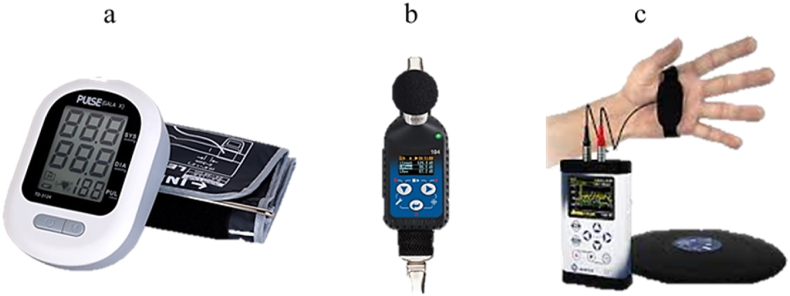
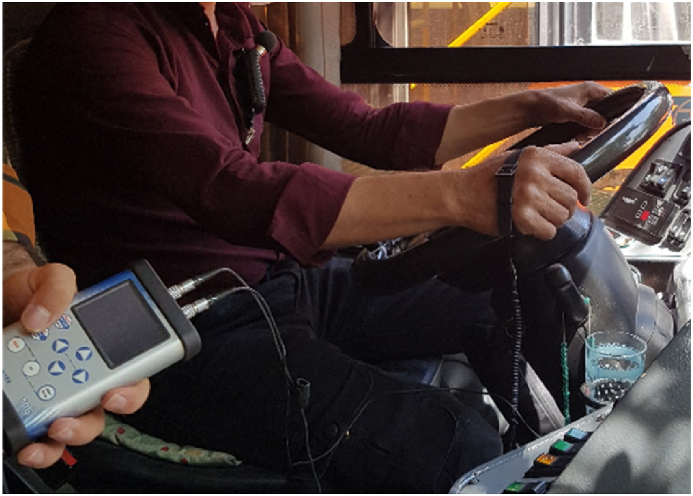
Methods: This cross-sectional study was conducted on 103 city bus drivers working in the governmental transportation system in Hamadan city. The subjects' exposures to noise and body vibration were measured during driving activities. Their blood pressure (BP), as well as heart rate (HR), were measured before and after driving. Multivariate regressions (MLR) were employed to analyze the effect size of the stimulus on body physiological responses using SPSS 22.
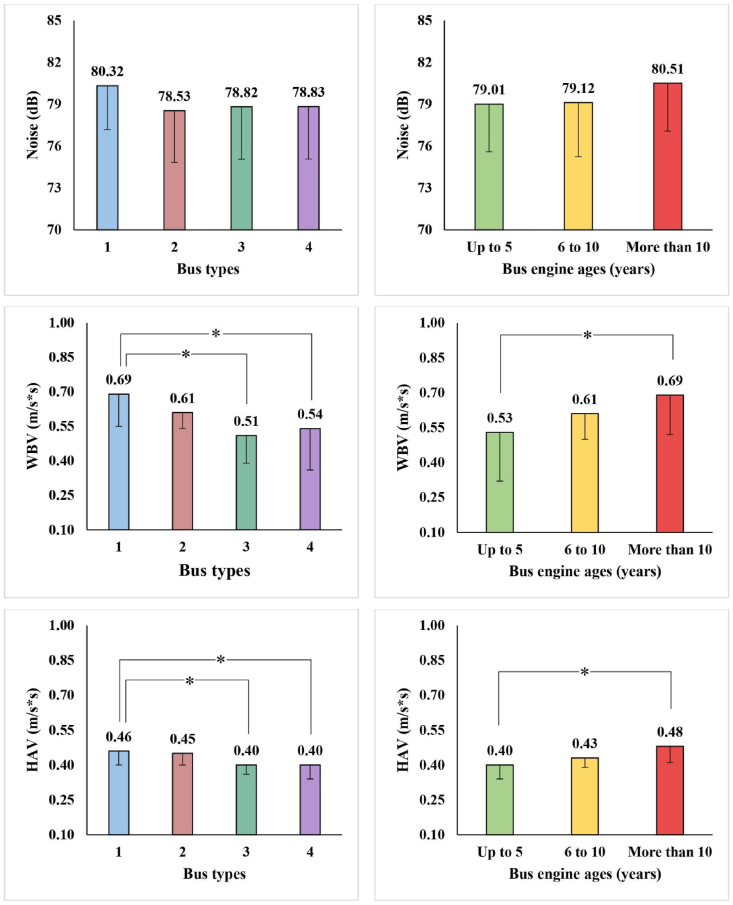
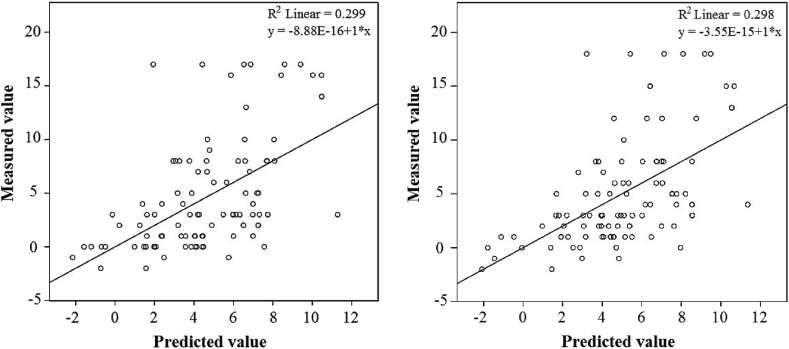
Results: Exposure levels to noise, whole-body vibration (WBV), and hand-arm vibration among drivers were 79.50 ± 3.51dB, 0.620 ± 0.159 m/s2, and 0.438 ± 0.064 m/s2, respectively which were lower than the exposure limits. Heart rate as main physiological response before and after driving were 74.22 ± 4.11 and 79.23 ± 8.59 bpm, respectively. The developed MLR models statistically showed that noise exposure could only affect the HR (β = 0.193 and p < 0.001); while WBV exposure affected both BP (β = 0.360 and p < 0.001) and HR (β = 0.367 and p = 0.020). The statistical analysis represented that exposure to noise and vibration in the presence of other possible covariates have significant effects on body physiological responses.
Conclusion: The study empirically confirmed the possibility of body physiological changes influenced by physical stimulus during real driving activities. It is highly recommended that occupational health surveillance should continuously be implemented to maintain and promote the safety and health of drivers throughout their careers.
Keywords: Body physiological responses; Bus drivers; Human vibration; Noise.
© 2022 The Authors.
Conflict of interest statement
The authors declare no conflict of interest.
Figures
References
-
- Rahmani R., Aliabadi M., Golmohammadi R., Babamiri M., Farhadian M. Evaluation of cognitive performance of city bus drivers with respect to noise and vibration exposure. Acoust Aust. 2021;49(3):529–539.
-
- Nissenbaum M., Aramini J., Hanning C. Effects of industrial wind turbine noise on sleep and health. Noise Health. 2012;14(60):237–243. - PubMed
-
- Abbasi M., Yazdanirad S., Mehri A., Fallah Madvari R., Alizadeh A., Ghaljahi M., et al. Noise exposure and job stress – a structural equation model in textile industries. Arch. Acoust. Q. 2020;45(4):601–611.
-
- Abbasi A.M., Motamedzade M., Aliabadi M., Golmohammadi R., Tapak L. Study of the physiological and mental health effects caused by exposure to low-frequency noise in a simulated control room. Build. Acoust. 2018;25(3):233–248.
LinkOut - more resources
Full Text Sources
