


Country data on AMR in Vietnam in the context of community-acquired respiratory tract infections: links between antibiotic susceptibility, local and international antibiotic prescribing guidelines, access to medicines and clinical outcome
- PMID: 36065731
- PMCID: PMC9445855
- DOI: 10.1093/jac/dkac214
Country data on AMR in Vietnam in the context of community-acquired respiratory tract infections: links between antibiotic susceptibility, local and international antibiotic prescribing guidelines, access to medicines and clinical outcome
Abstract
Background: Antimicrobial resistance (AMR) is one of the biggest threats to global public health. Selection of resistant bacteria is driven by inappropriate use of antibiotics, amongst other factors. COVID-19 may have exacerbated AMR due to unnecessary antibiotic prescribing. Country-level knowledge is needed to understand options for action.
Objectives: To review the current situation with respect to AMR in Vietnam and initiatives addressing it. Identifying areas where more information is required will provide a call to action to minimize any further rises in AMR within Vietnam and improve patient outcomes.
Methods: National initiatives to address AMR in Vietnam, antibiotic use and prescribing, and availability of susceptibility data, in particular for the key community-acquired respiratory tract infection (CA-RTI) pathogens Streptococcus pneumoniae and Haemophilus influenzae, were identified. National and international antibiotic prescribing guidelines for CA-RTIs (community-acquired pneumonia, acute otitis media and acute bacterial rhinosinusitis) commonly used locally were also reviewed, plus local antibiotic availability. Insights from clinicians in Vietnam were sought to contextualize this information.
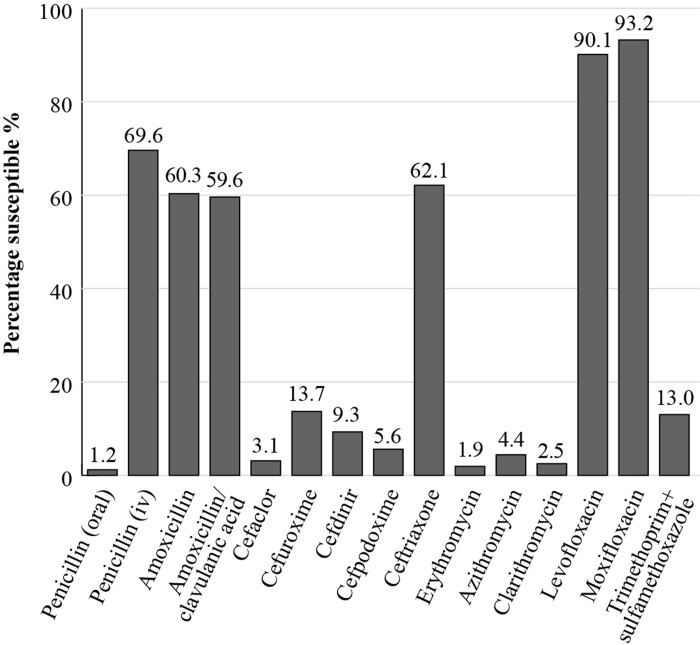
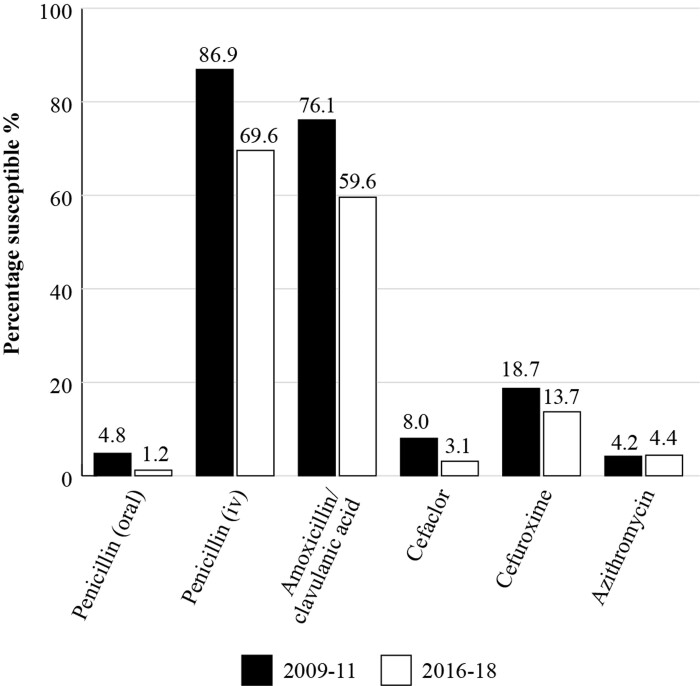
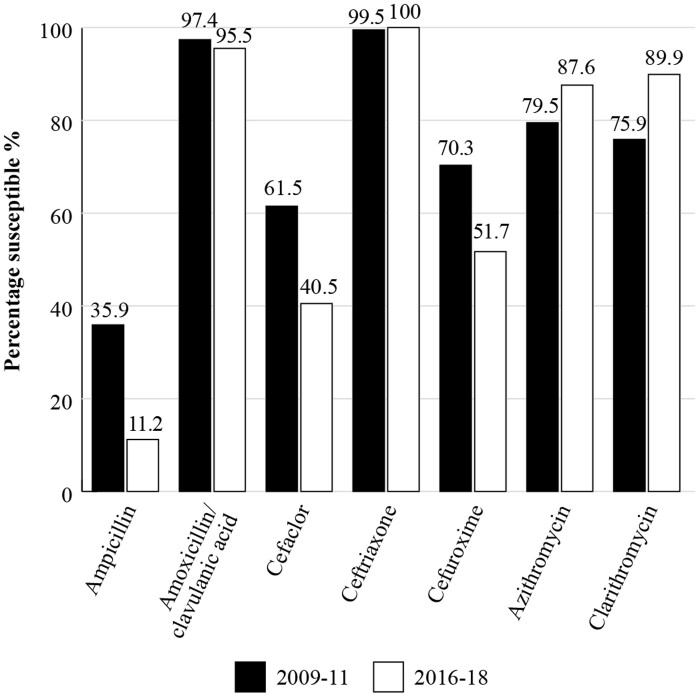
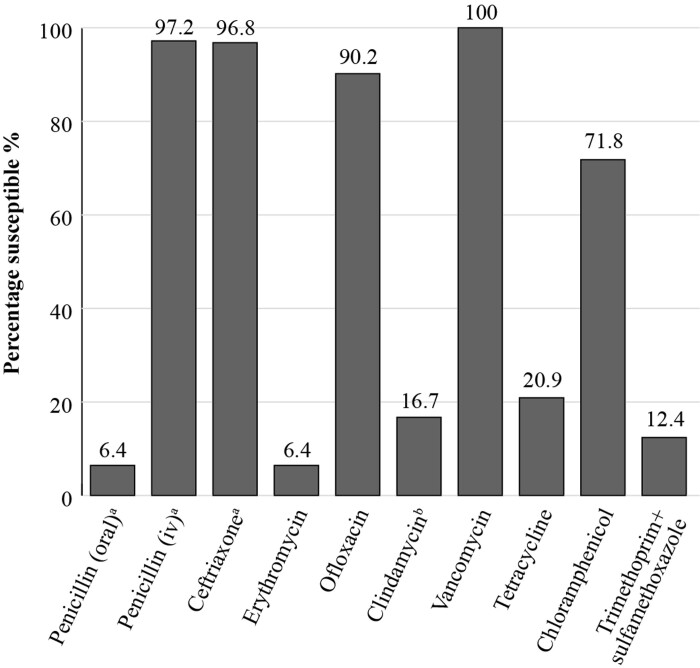
Conclusions: In Vietnam there have been some initiatives addressing AMR; Vietnam was the first country in the Western Pacific Region to develop a national action plan to combat AMR, which according to the WHO is being implemented. Vietnam also has one of the highest rates of AMR in Asia due, in part, to the overuse of antimicrobial drugs, both in the animal health sector and in humans in both hospitals and the community. In addition, despite a 2005 law requiring antibiotic prescription, there is unrestricted access to over-the-counter antibiotics. Several global surveillance studies provide antibiotic susceptibility data for CA-RTI pathogens in Vietnam including Survey of Antibiotic Resistance (SOAR) and SENTRY (small isolate numbers only). For management of the common CA-RTIs in Vietnam there are several country-specific local antibiotic prescribing guidelines and in addition, there is a range of international guidelines referred to, but these may have been created based on pathogen resistance patterns that might be very different to those in Vietnam. Expert clinician opinion confirms the high resistance rates among common respiratory pathogens. A more standardized inclusive approach in developing local guidelines, using up-to-date surveillance data of isolates from community-acquired infections in Vietnam, could make management guideline use more locally relevant for clinicians. This would pave the way for a higher level of appropriate antibiotic prescribing and improved adherence. This would, in turn, potentially limit AMR development and improve clinical outcomes for patients.
© The Author(s) 2022. Published by Oxford University Press on behalf of British Society for Antimicrobial Chemotherapy.
Figures
References
-
- WHO . Antibiotic resistance—fact sheet. 2020. https://www.who.int/news-room/fact-sheets/detail/antibiotic-resistance.
-
- WHO . Antimicrobial resistance—fact sheet. 2021. https://www.who.int/news-room/fact-sheets/detail/antimicrobial-resistance.
-
- WHO . Global action plan on antimicrobial resistance. 2015. https://www.who.int/publications/i/item/9789241509763. - PubMed
Publication types
MeSH terms
Substances
Grants and funding
LinkOut - more resources
Full Text Sources
Medical
Miscellaneous
